

Parameters
- 254bladzijden
- 9 uur lezen
Meer over het boek
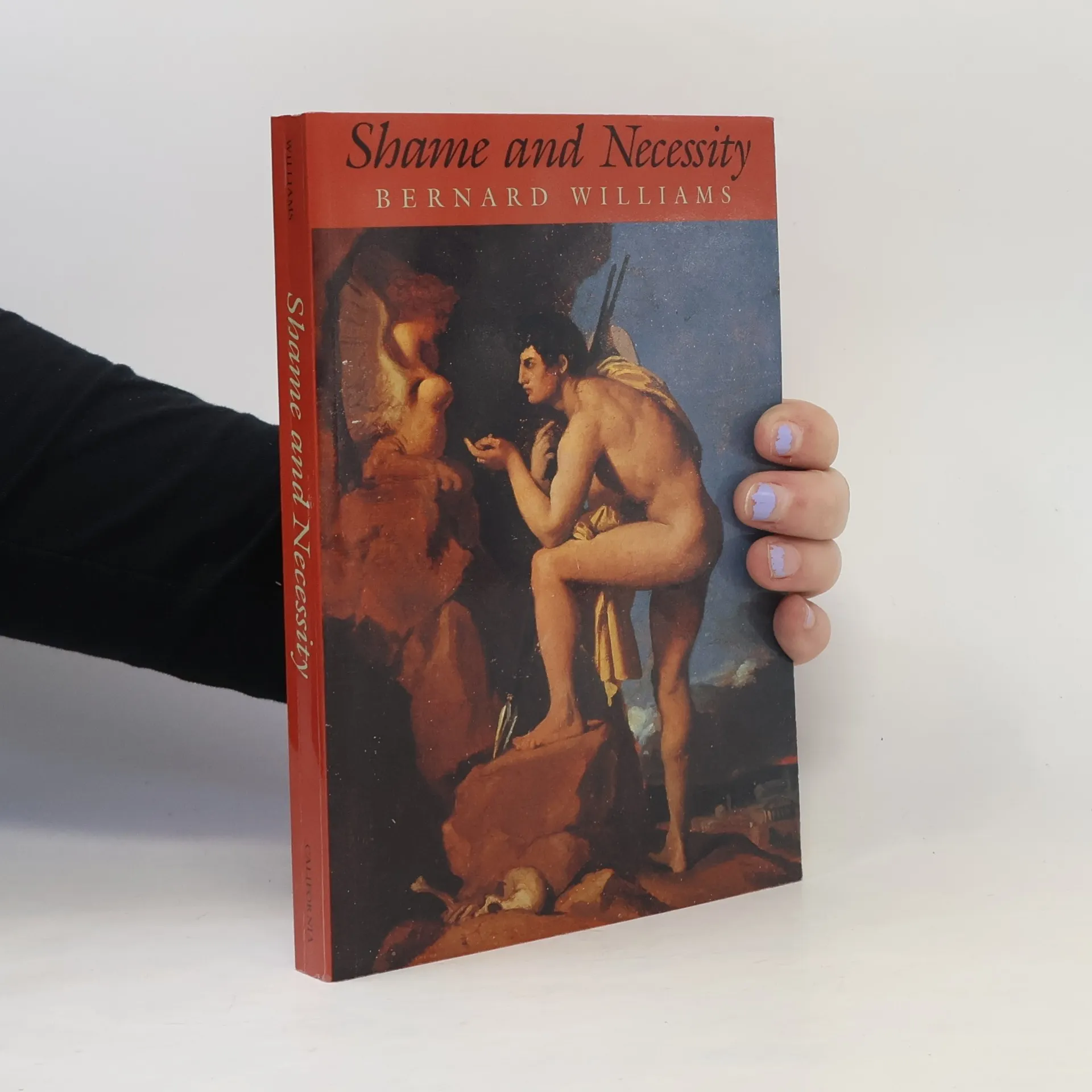
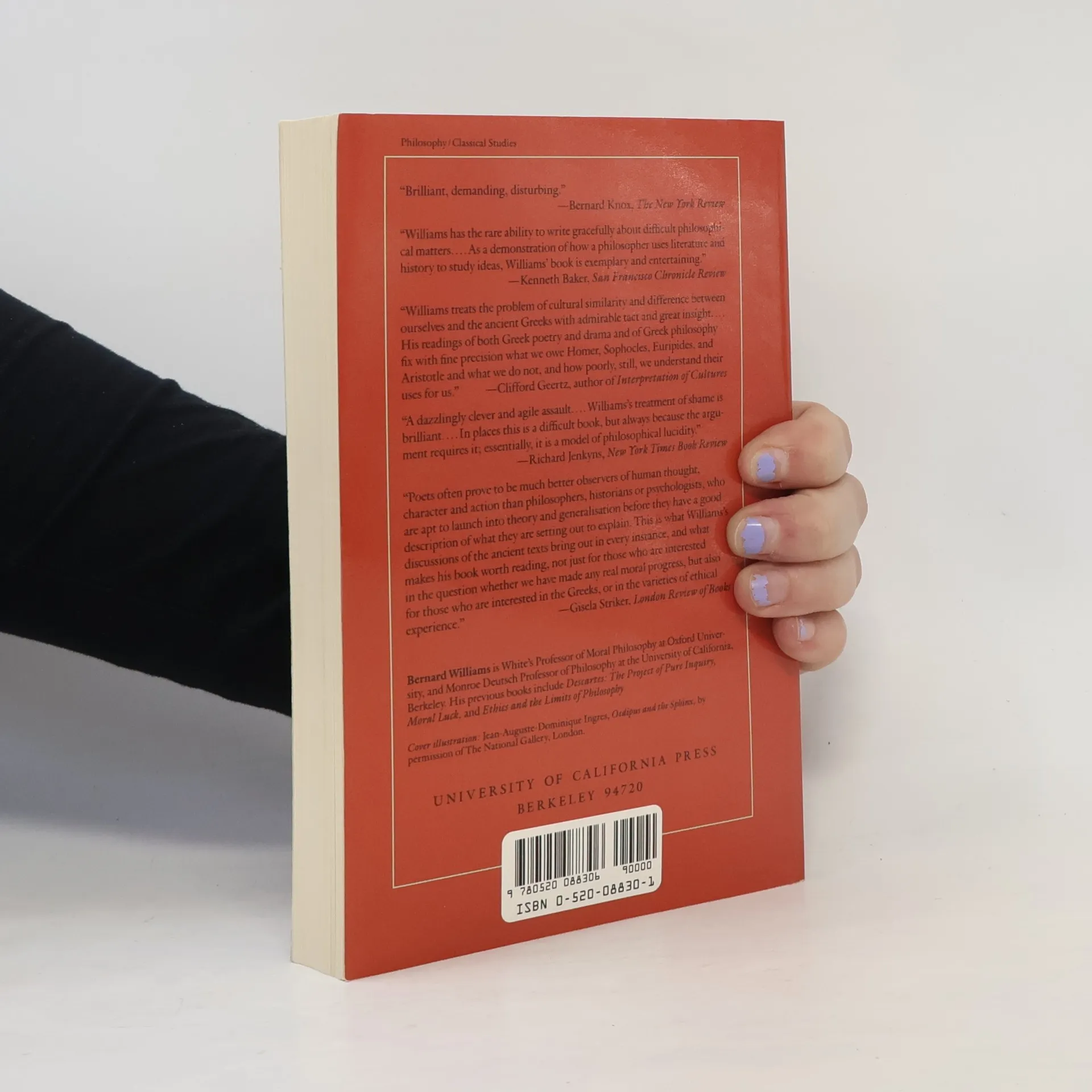
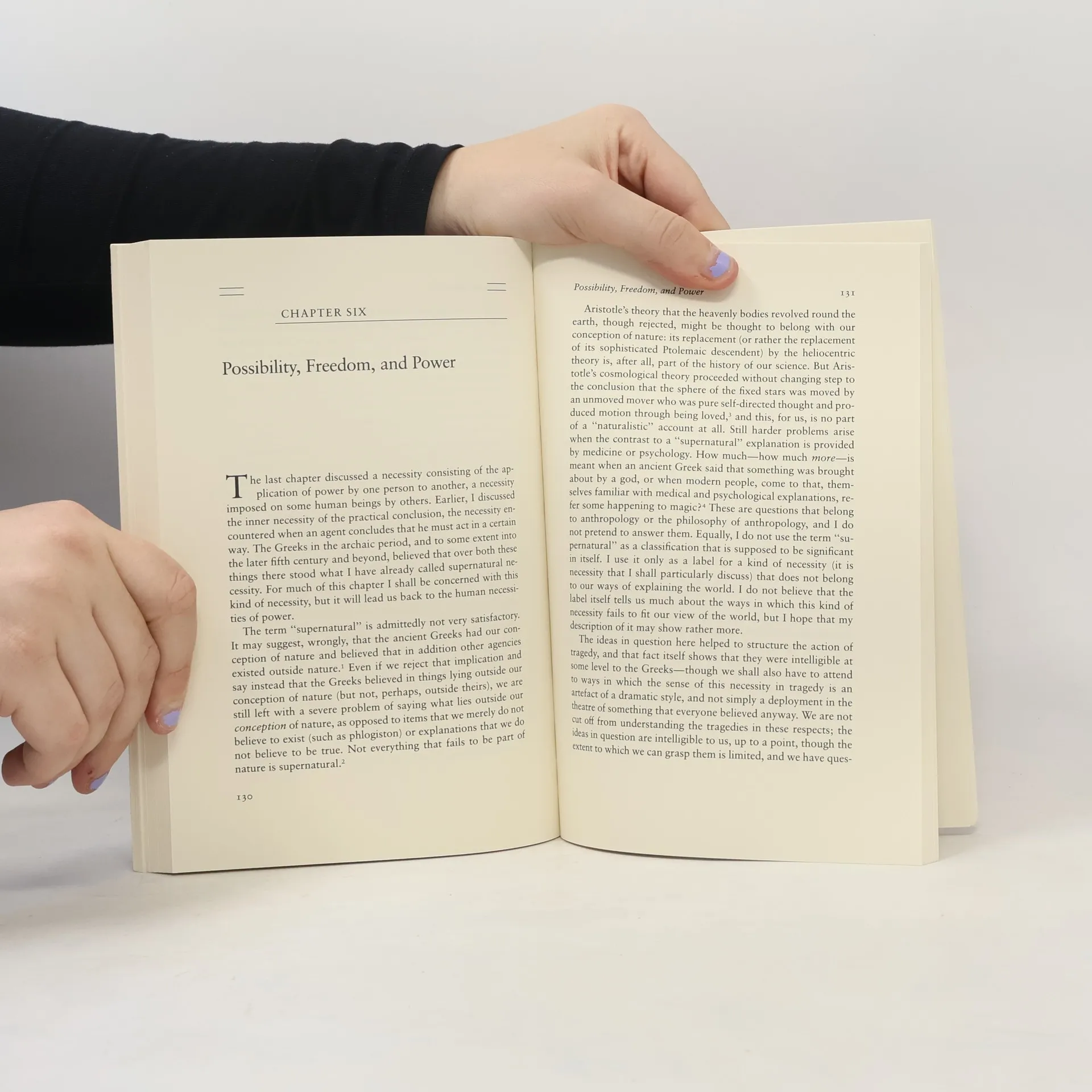
We tend to suppose that the ancient Greeks had primitive ideas of the self, of responsibility, freedom, and shame, and that now humanity has advanced from these to a more refined moral consciousness. Bernard Williams's original and radical book questions this picture of Western history. While we are in many ways different from the Greeks, Williams claims that the differences are not to be traced to a shift in these basic conceptions of ethical life. We are more like the ancients than we are prepared to acknowledge, and only when this is understood can we properly grasp our most important differences from them, such as our rejection of slavery.The author is a philosopher, but much of his book is directed to writers such as Homer and the tragedians, whom he discusses as poets and not just as materials for philosophy. At the center of his study is the question of how we can understand Greek tragedy at all, when its world is so far from ours.Williams explains how it is that when the ancients speak, they do not merely tell us about themselves, but about ourselves. Shame and Necessity gives a new account of our relations to the Greeks, and helps us to see what ethical ideas we need in order to live in the modern world.


Een boek kopen
Sather Classical Lectures - 57: Shame and Necessity, Bernard Arthur Owen Williams
- Taal

- Jaar van publicatie
- 1993
- product-detail.submit-box.info.binding
- (Paperback)
Betaalmethoden
We missen je recensie hier.
- Taal
- Engels
- Auteurs
- Bernard Arthur Owen Williams
- Uitgever
- University of California Press
- Jaar van publicatie
- 1993
- Formaat
- Paperback
- Aantal pagina's
- 254
- ISBN10
- 0520088301
- ISBN13
- 9780520088306
- Reeks
- Tags
- Non-fictie, Sociale Wetenschappen, Filosofisch thema, Cultuur en Samenleving, Oudheid, Antropologie
- Beoordeling
- 4,25 van 5
- Aantekening
- We tend to suppose that the ancient Greeks had primitive ideas of the self, of responsibility, freedom, and shame, and that now humanity has advanced from these to a more refined moral consciousness. Bernard Williams's original and radical book questions this picture of Western history. While we are in many ways different from the Greeks, Williams claims that the differences are not to be traced to a shift in these basic conceptions of ethical life. We are more like the ancients than we are prepared to acknowledge, and only when this is understood can we properly grasp our most important differences from them, such as our rejection of slavery.The author is a philosopher, but much of his book is directed to writers such as Homer and the tragedians, whom he discusses as poets and not just as materials for philosophy. At the center of his study is the question of how we can understand Greek tragedy at all, when its world is so far from ours.Williams explains how it is that when the ancients speak, they do not merely tell us about themselves, but about ourselves. Shame and Necessity gives a new account of our relations to the Greeks, and helps us to see what ethical ideas we need in order to live in the modern world.