




Meer over het boek
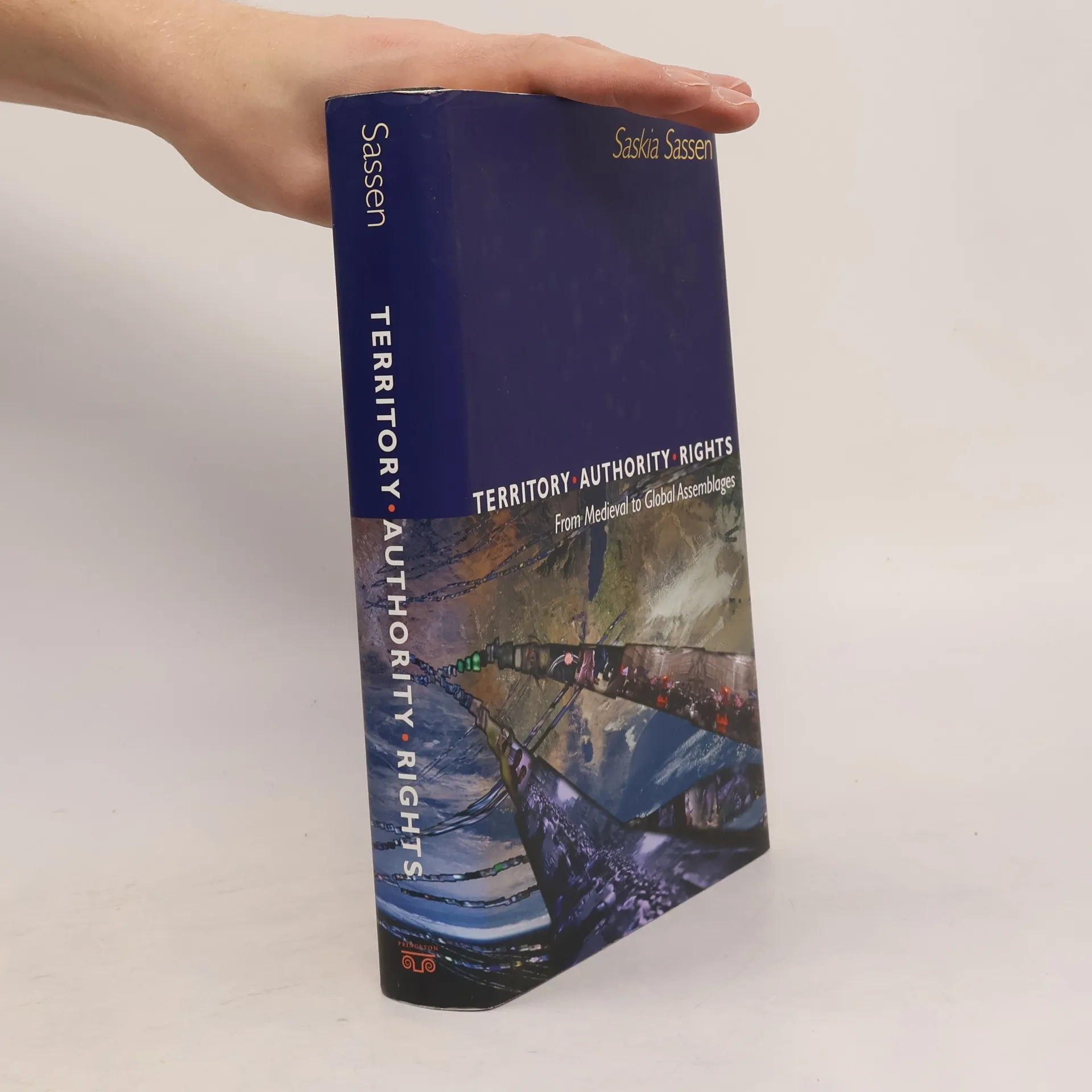
Where does the nation-state end and globalization begin? In this insightful exploration, one of the leading authorities on globalization illustrates how the national state has facilitated the current global era. The author argues that while globalization is often viewed as "denationalization," it is still influenced by institutions and networks originally developed with nations in mind, such as the rule of law and private authority. This state-making process has generated capabilities that enable the global era, which are now utilized by new organizing actors beyond nation-states for different purposes. The examination focuses on how three fundamental components of society—territory, authority, and rights—have evolved and interacted across three major historical contexts: the medieval, the national, and the global. The work is divided into three parts. The first part traces the emergence of territoriality in the Middle Ages and discusses monarchical divinity as a precursor to sovereign authority. The second part analyzes the economic, legal, technological, and political conditions shaping new organizing logics. The final part explores the intersections of new digital technologies with territory, authority, and rights. Rich in detail and highly accessible, this book offers a comprehensive statement on globalization that will resonate across the social sciences.


Een boek kopen
Territory, Authority, Rights, Saskia Sassen
- Taal

- Jaar van publicatie
- 2006
- product-detail.submit-box.info.binding
- (Hardcover),
- Staat van het boek
- Beschadigd
- Prijs
- € 14,28
Betaalmethoden
We missen je recensie hier.
- Ondertitel
- From Medieval to Global Assemblages
- Taal
- Engels
- Auteurs
- Saskia Sassen
- Uitgever
- Princeton University Press
- Jaar van publicatie
- 2006
- Formaat
- Hardcover
- Aantal pagina's
- 493
- ISBN10
- 0691095388
- ISBN13
- 9780691095387
- Reeks
- Beoordeling
- 4,2 van 5
- Aantekening
- Where does the nation-state end and globalization begin? In this insightful exploration, one of the leading authorities on globalization illustrates how the national state has facilitated the current global era. The author argues that while globalization is often viewed as "denationalization," it is still influenced by institutions and networks originally developed with nations in mind, such as the rule of law and private authority. This state-making process has generated capabilities that enable the global era, which are now utilized by new organizing actors beyond nation-states for different purposes. The examination focuses on how three fundamental components of society—territory, authority, and rights—have evolved and interacted across three major historical contexts: the medieval, the national, and the global. The work is divided into three parts. The first part traces the emergence of territoriality in the Middle Ages and discusses monarchical divinity as a precursor to sovereign authority. The second part analyzes the economic, legal, technological, and political conditions shaping new organizing logics. The final part explores the intersections of new digital technologies with territory, authority, and rights. Rich in detail and highly accessible, this book offers a comprehensive statement on globalization that will resonate across the social sciences.