

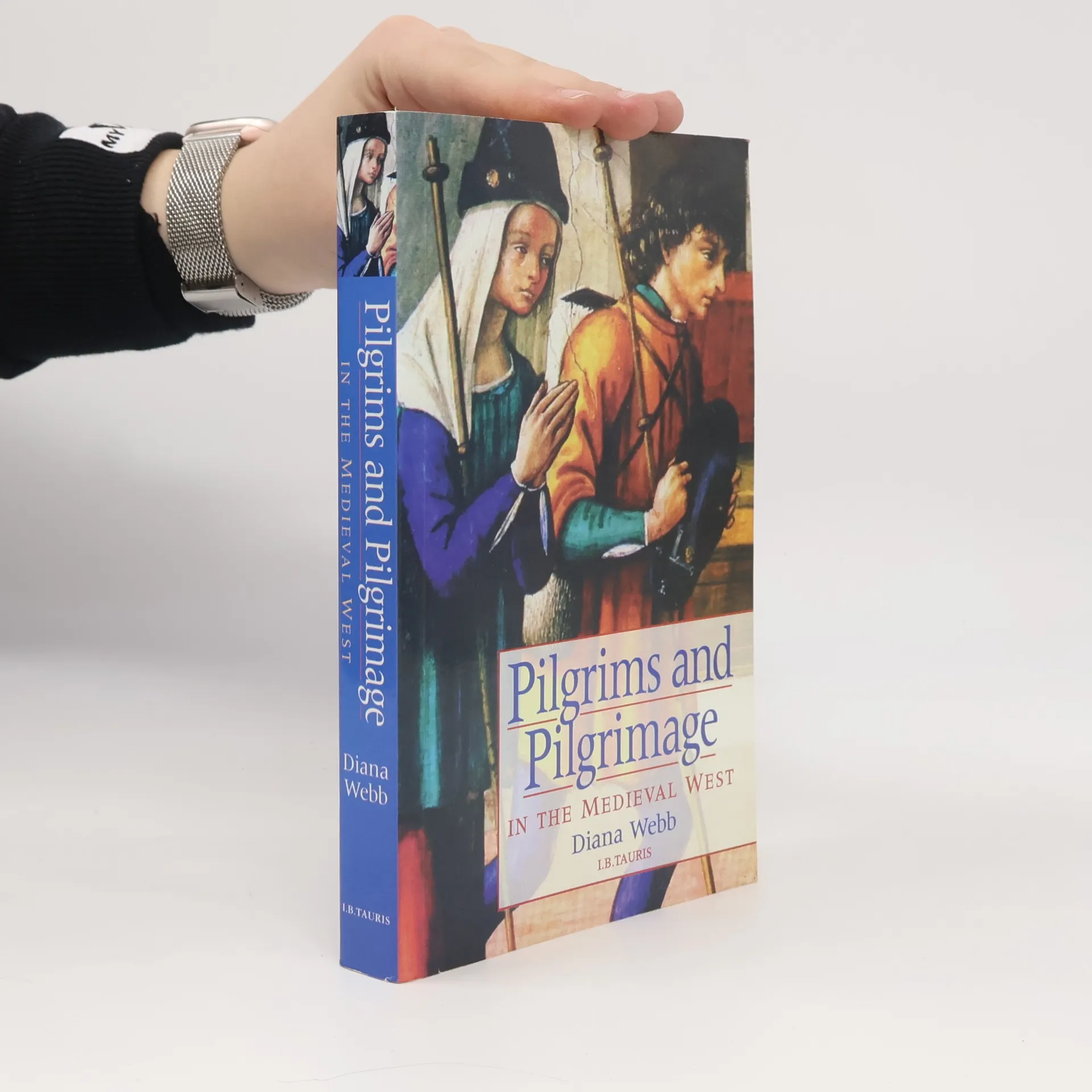

Pilgrims and Pilgrimage in the Medieval West
Auteurs
Parameters
- 304bladzijden
- 11 uur lezen
Meer over het boek
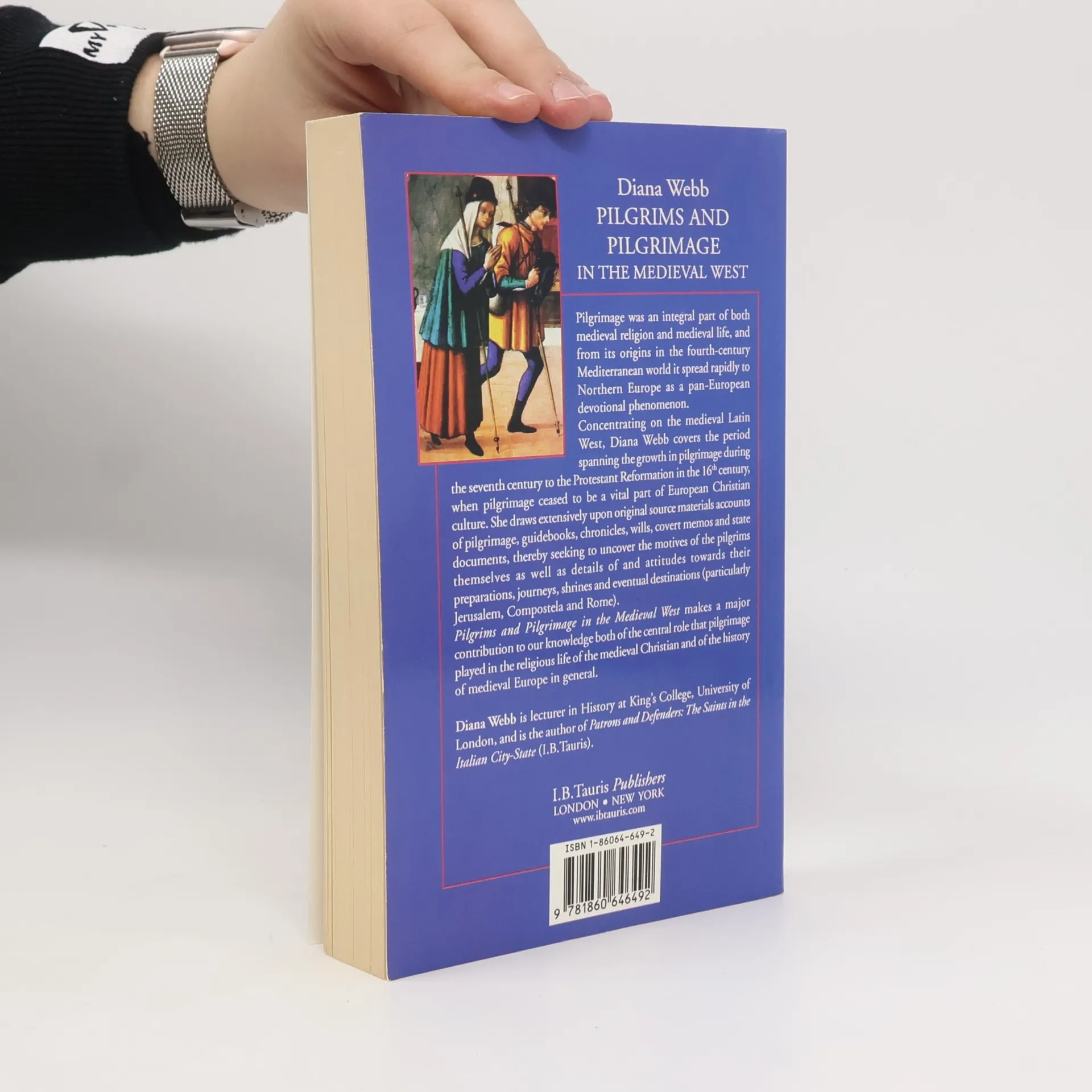
Pilgrimage was an integral part of both medieval religion and medieval life, and from its origins in the fourth-century Mediterranean world it spread rapidly to Northern Europe as a pan-European devotional phenomenon. Concentrating on the medieval Latin West, this book covers the period spanning the growth in pilgrimage during the seventh century to the Protestant Reformation in the 16-century, when pilgrimage ceased to be a vital part of European Christian culture. It draws extensively upon original source materials accounts of pilgrimage, guidebooks, chronicles, wills, covert memos, and state documents, thereby seeking to uncover the motives of the pilgrims themselves as well as details of and attitudes towards their preparations, journeys, shrines, and eventual destinations (particularly Jerusalem, Compostela, and Rome).
Een boek kopen
Pilgrims and Pilgrimage in the Medieval West, Diana Webb
- Taal

- Jaar van publicatie
- 2001
- Bindwijze
- (Paperback),
- Staat van het boek
- Goed
- Prijs
- € 16,99
Betaalmethoden
Nog niemand heeft beoordeeld.
- Titel
- Pilgrims and Pilgrimage in the Medieval West
- Taal
- Engels
- Auteurs
- Diana Webb
- Uitgever
- I.B. Tauris
- Jaar van publicatie
- 2001
- Formaat
- Paperback
- Aantal pagina's
- 304
- ISBN10
- 1860646492
- ISBN13
- 9781860646492
- Reeks
- Categorieën
- Tags
- Europa, Wetenschappelijke literatuur, Katholieke Kerk, Ethiek, Kerkgeschiedenis, Sociale Geschiedenis, Geschiedenis van de religies, Humanities, Godsdienstwetenschap
- Aantekening
- Pilgrimage was an integral part of both medieval religion and medieval life, and from its origins in the fourth-century Mediterranean world it spread rapidly to Northern Europe as a pan-European devotional phenomenon. Concentrating on the medieval Latin West, this book covers the period spanning the growth in pilgrimage during the seventh century to the Protestant Reformation in the 16-century, when pilgrimage ceased to be a vital part of European Christian culture. It draws extensively upon original source materials accounts of pilgrimage, guidebooks, chronicles, wills, covert memos, and state documents, thereby seeking to uncover the motives of the pilgrims themselves as well as details of and attitudes towards their preparations, journeys, shrines, and eventual destinations (particularly Jerusalem, Compostela, and Rome).