

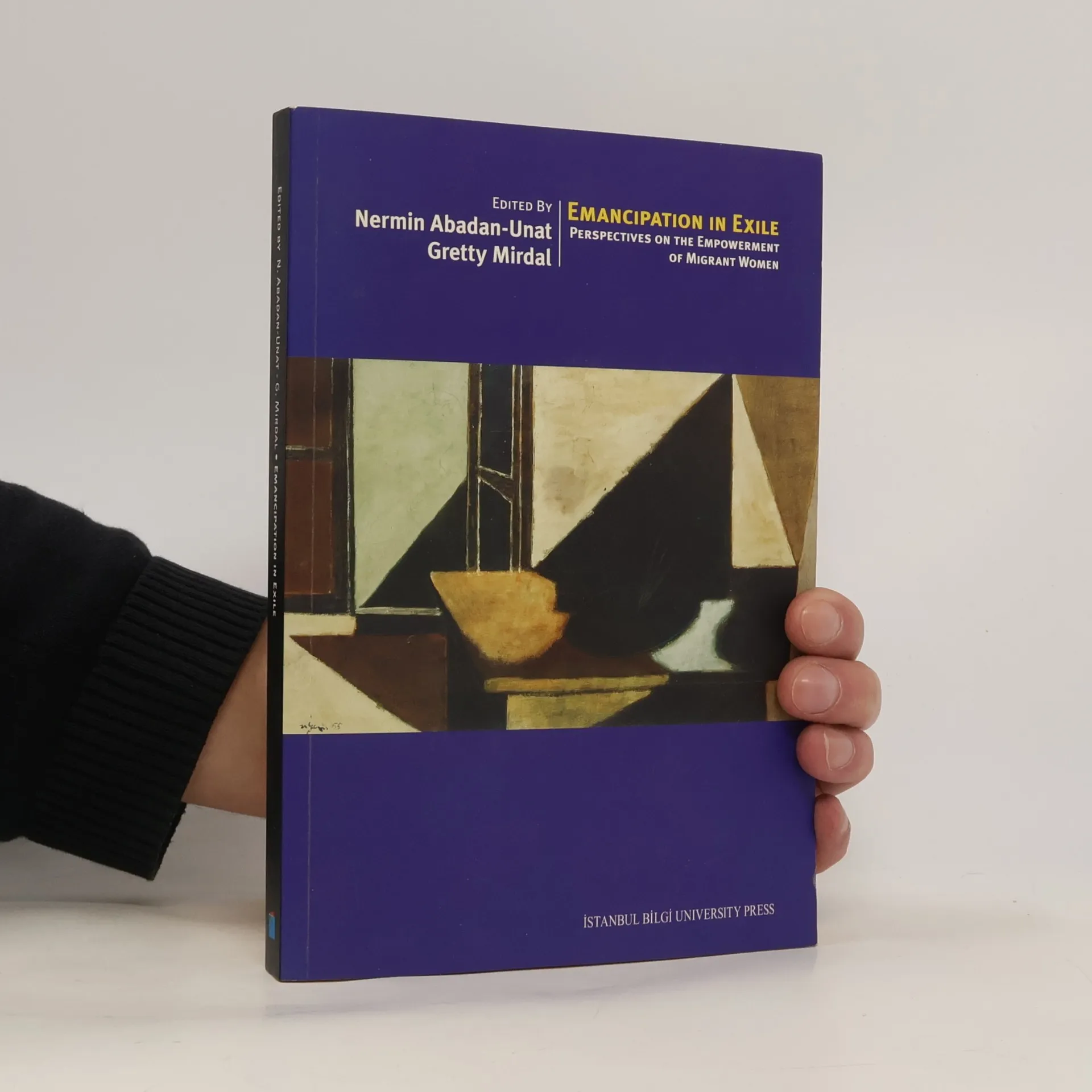
Emancipation in Exile
Perspectives on the Empowerment of Migrant Women
Meer over het boek
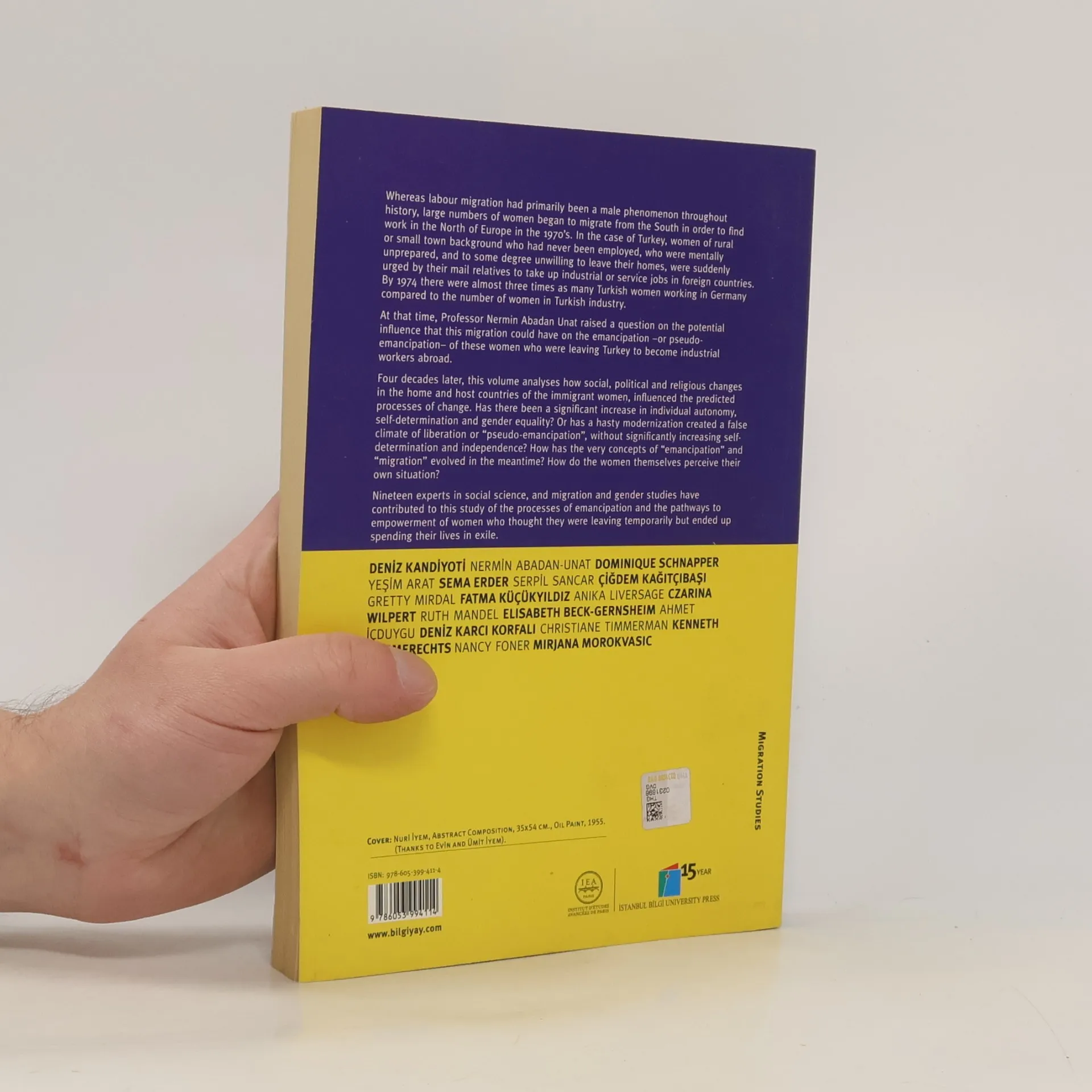
Labour migration has historically been a male-dominated phenomenon, but in the 1970s, a significant number of women from the South began migrating to Northern Europe for work. In Turkey, women from rural or small-town backgrounds, often unprepared and reluctant to leave home, were encouraged by male relatives to take industrial or service jobs abroad. By 1974, the number of Turkish women working in Germany was nearly three times that of women in Turkish industry. At that time, Professor Nermin Abadan Unat questioned the potential impact of this migration on the emancipation of these women. Four decades later, this volume examines how social, political, and religious changes in both home and host countries have influenced the anticipated processes of change. It explores whether there has been a genuine increase in individual autonomy, self-determination, and gender equality or if the rapid modernization has resulted in a superficial sense of liberation, termed “pseudo-emancipation.” The study also investigates how the concepts of “emancipation” and “migration” have evolved and how the women perceive their own circumstances. Nineteen experts in social science, migration, and gender studies contribute to this exploration of the empowerment pathways of women who intended to leave temporarily but ultimately spent their lives in exile.
Een boek kopen
Emancipation in Exile, Nermin Abadan Unat, Gretty Mirdal, Çiğdem Kağıtçıbaşı
- Taal

- Jaar van publicatie
- 2015
- Bindwijze
- (Paperback),
- Staat van het boek
- Zeer goed
- Prijs
- € 23,39
Betaalmethoden
Nog niemand heeft beoordeeld.
- Titel
- Emancipation in Exile
- Ondertitel
- Perspectives on the Empowerment of Migrant Women
- Taal
- Engels
- Uitgever
- Istanbul Bilgi University Press
- Jaar van publicatie
- 2015
- Formaat
- Paperback
- Aantal pagina's
- 304
- ISBN10
- 6053994111
- ISBN13
- 9786053994114
- Reeks
- Categorieën
- Tags
- Moslimvrouwen
- Aantekening
- Labour migration has historically been a male-dominated phenomenon, but in the 1970s, a significant number of women from the South began migrating to Northern Europe for work. In Turkey, women from rural or small-town backgrounds, often unprepared and reluctant to leave home, were encouraged by male relatives to take industrial or service jobs abroad. By 1974, the number of Turkish women working in Germany was nearly three times that of women in Turkish industry. At that time, Professor Nermin Abadan Unat questioned the potential impact of this migration on the emancipation of these women. Four decades later, this volume examines how social, political, and religious changes in both home and host countries have influenced the anticipated processes of change. It explores whether there has been a genuine increase in individual autonomy, self-determination, and gender equality or if the rapid modernization has resulted in a superficial sense of liberation, termed “pseudo-emancipation.” The study also investigates how the concepts of “emancipation” and “migration” have evolved and how the women perceive their own circumstances. Nineteen experts in social science, migration, and gender studies contribute to this exploration of the empowerment pathways of women who intended to leave temporarily but ultimately spent their lives in exile.