

Revolution in Orange
The Origins of Ukraine's Democratic Breakthrough
Auteurs
Parameters
- 216bladzijden
- 8 uur lezen
Meer over het boek
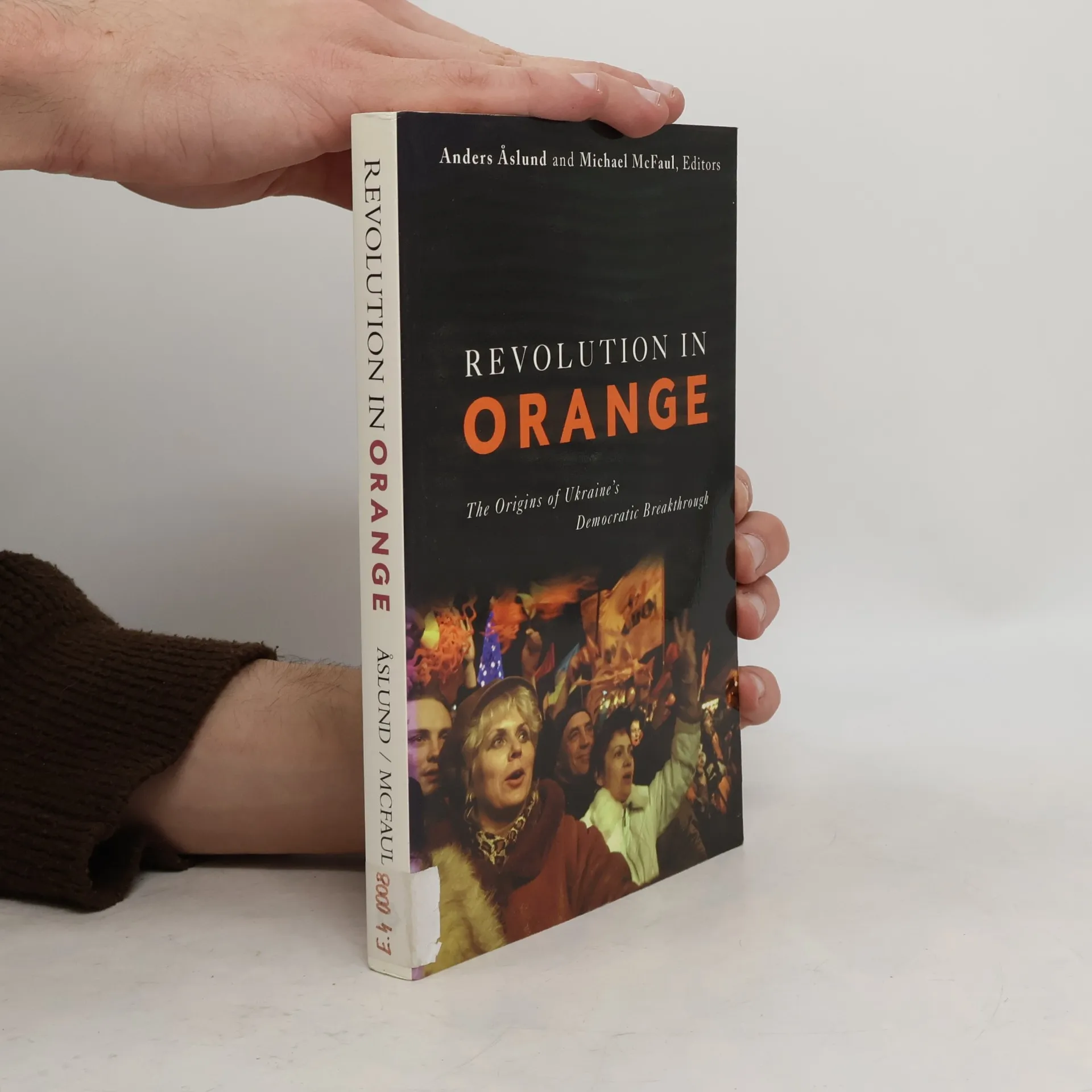
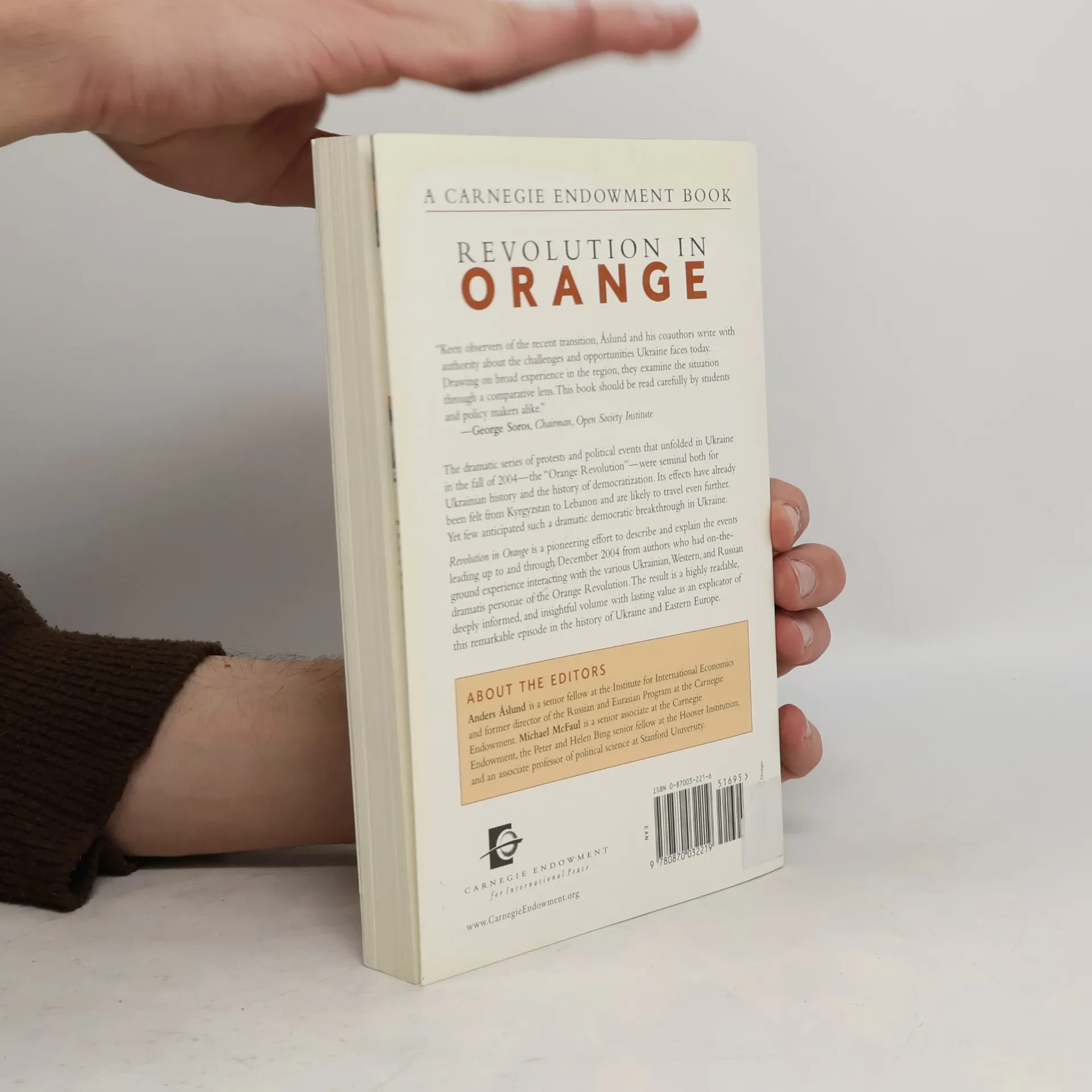
The dramatic series of protests and political events that unfolded in Ukraine in the fall of 2004 —the "Orange Revolution" —were seminal both for Ukrainian history and the history of democratization. Pro-Western presidential candidate Viktor Yushchenko was poisoned with dioxin, an industrial pollutant that left him weakened and horribly disfigured. When this assassination attempt failed, the Kremlin-backed ruling party resorted to voter intimidation and massive electoral fraud to win the runoff election. Supporters of Yushchenko responded with a series of strikes, sit-ins, and marches throughout Ukraine. Thanks in large part to this peaceful revolution, the election results were annulled. In a second runoff, Yushchenko was elected as the new president. Revolution in Orange seeks to explain why and how this nationwide protest movement occurred. Its effects have already been felt from Kyrgyzstan to Lebanon and are likely to travel even further. Yet few predicted or anticipated such a dramatic democratic breakthrough in Ukraine. This volume attempts to distinguish between necessary and facilitating factors in the success of the Orange Revolution. It also discusses the elements that have been commonly assumed to be critical but, in fact, were not instrumental in the movement. Chapters explore the role of former President Kuchma and the oligarchs, societal attitudes, the role of the political opposition and civil society, the importance of the media, and the roles of Russia and the West. Contributors include Nadia Diuk (National Endowment for Democracy), Adrian Karatnycky (Freedom House), Taras Kuzio (George Washington University), Hrihoriy Nemyria (Taras Shevchenko National University, Kiev), Pavol Demes (German Marshall Fund), Nikolai Petrov and Andrey Ryabov (Carnegie Moscow Center), and Olena Prytula (editor, Ukrainskaya Pravda).
Een boek kopen
Revolution in Orange, Anders Aslund, Michael McFaul
- Taal

- Jaar van publicatie
- 2006
- Bindwijze
- (Paperback),
- Staat van het boek
- Goed
- Prijs
- € 6,09
Betaalmethoden
Nog niemand heeft beoordeeld.
- Titel
- Revolution in Orange
- Ondertitel
- The Origins of Ukraine's Democratic Breakthrough
- Taal
- Engels
- Auteurs
- Anders Aslund, Michael McFaul
- Jaar van publicatie
- 2006
- Formaat
- Paperback
- Aantal pagina's
- 216
- ISBN10
- 0870032216
- ISBN13
- 9780870032219
- Reeks
- Categorieën
- Tags
- Historisch thema, Politiek, Europa, Geschiedenis van Europa, Politieke theorieën, Verzamelde Werken, Democratie, Oekraïne, Presidenten, Protestbeweging
- Aantekening
- The dramatic series of protests and political events that unfolded in Ukraine in the fall of 2004 —the "Orange Revolution" —were seminal both for Ukrainian history and the history of democratization. Pro-Western presidential candidate Viktor Yushchenko was poisoned with dioxin, an industrial pollutant that left him weakened and horribly disfigured. When this assassination attempt failed, the Kremlin-backed ruling party resorted to voter intimidation and massive electoral fraud to win the runoff election. Supporters of Yushchenko responded with a series of strikes, sit-ins, and marches throughout Ukraine. Thanks in large part to this peaceful revolution, the election results were annulled. In a second runoff, Yushchenko was elected as the new president. Revolution in Orange seeks to explain why and how this nationwide protest movement occurred. Its effects have already been felt from Kyrgyzstan to Lebanon and are likely to travel even further. Yet few predicted or anticipated such a dramatic democratic breakthrough in Ukraine. This volume attempts to distinguish between necessary and facilitating factors in the success of the Orange Revolution. It also discusses the elements that have been commonly assumed to be critical but, in fact, were not instrumental in the movement. Chapters explore the role of former President Kuchma and the oligarchs, societal attitudes, the role of the political opposition and civil society, the importance of the media, and the roles of Russia and the West. Contributors include Nadia Diuk (National Endowment for Democracy), Adrian Karatnycky (Freedom House), Taras Kuzio (George Washington University), Hrihoriy Nemyria (Taras Shevchenko National University, Kiev), Pavol Demes (German Marshall Fund), Nikolai Petrov and Andrey Ryabov (Carnegie Moscow Center), and Olena Prytula (editor, Ukrainskaya Pravda).