

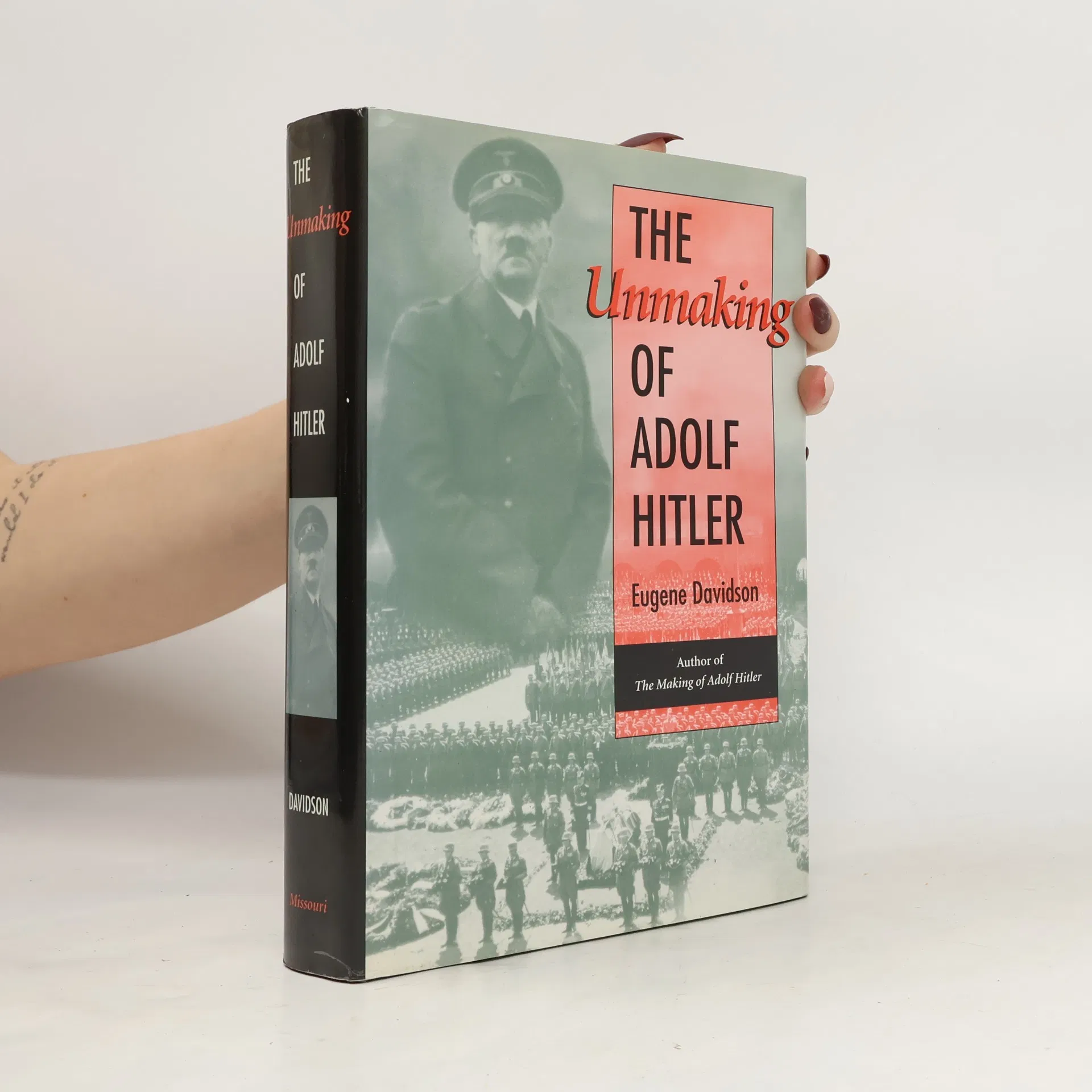

The Unmaking of Adolf Hitler
Auteurs
Meer over het boek
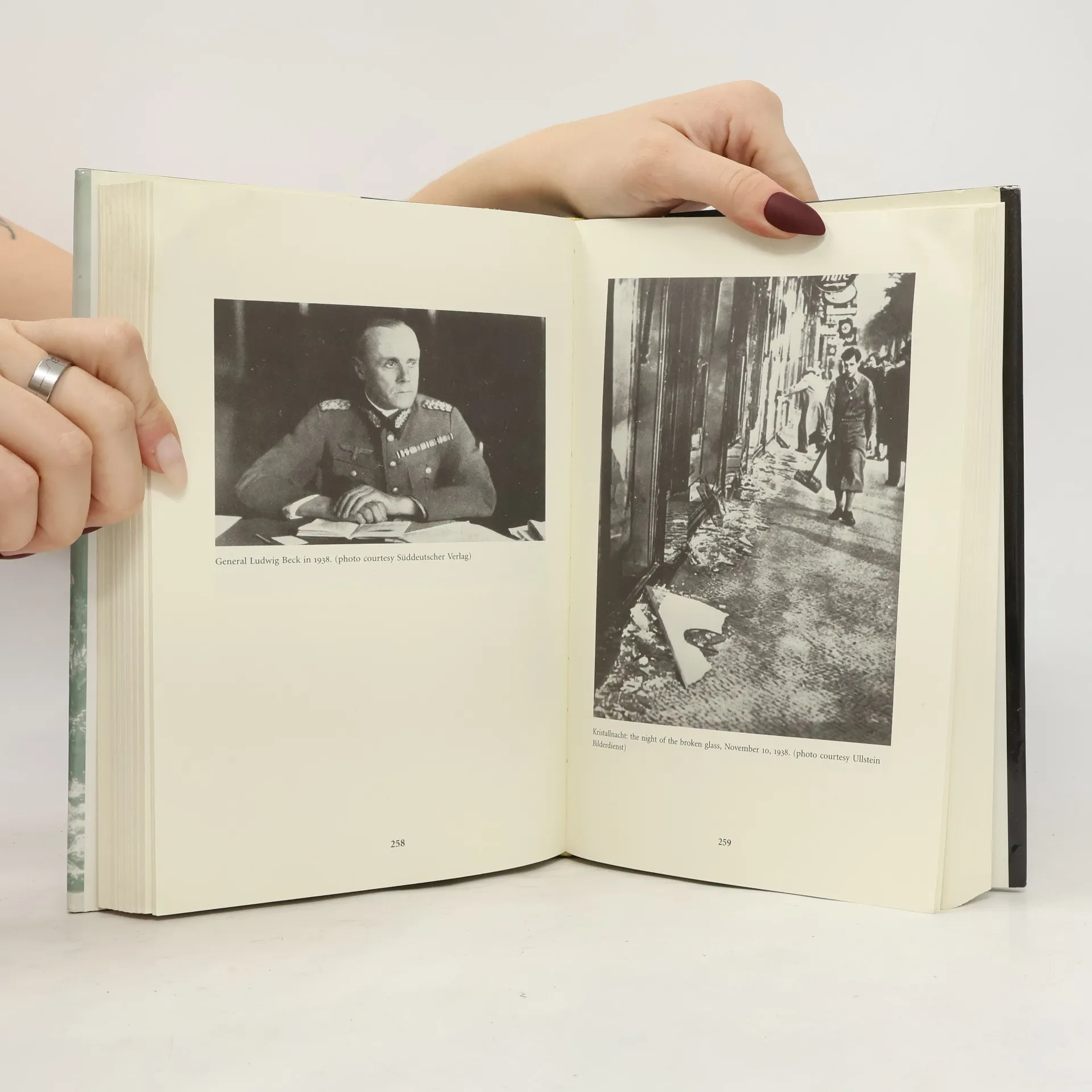
Adolf Hitler's legacy represents one of the most notorious tyrannies of the twentieth century, and his rise and fall continue to perplex historians. How did a foreign-born individual, who failed to finish high school and held a philosophy embraced by only a minority, ascend to become the chancellor of Germany, wielding control over the nation and much of Europe? This powerful sequel to a critically acclaimed work seeks to explore these questions and more. The narrative spans every facet of Hitler's life from his ascent to power in 1933 to his eventual self-destruction, enriched with numerous photographs from German collections. The author details Hitler's significant achievements, including his strategies for reviving national morale and dismantling unfavorable treaties, as well as his exploitation of the coalition's miscalculations against the Reich. The analysis includes Hitler's self-penned rousing speeches and the ruthless tactics he employed to gain power, illustrating how he capitalized on a demoralized society. Despite his initial successes in improving Germany's dire situation, his downfall stemmed from critical errors and personal inadequacies. This compelling and well-researched account aims to explain the collapse of Hitler's empire as a consequence of his own decisions.
Een boek kopen
The Unmaking of Adolf Hitler, Eugene A. Davidson
- Taal

- Jaar van publicatie
- 1996
- Bindwijze
- (Hardcover),
- Staat van het boek
- Beschadigd
- Prijs
- € 6,09
Betaalmethoden
- Titel
- The Unmaking of Adolf Hitler
- Taal
- Engels
- Auteurs
- Eugene A. Davidson
- Uitgever
- University of Missouri Press
- Jaar van publicatie
- 1996
- Formaat
- Hardcover
- Aantal pagina's
- 519
- ISBN10
- 0826210457
- ISBN13
- 9780826210456
- Reeks
- Categorieën
- Aantekening
- Adolf Hitler's legacy represents one of the most notorious tyrannies of the twentieth century, and his rise and fall continue to perplex historians. How did a foreign-born individual, who failed to finish high school and held a philosophy embraced by only a minority, ascend to become the chancellor of Germany, wielding control over the nation and much of Europe? This powerful sequel to a critically acclaimed work seeks to explore these questions and more. The narrative spans every facet of Hitler's life from his ascent to power in 1933 to his eventual self-destruction, enriched with numerous photographs from German collections. The author details Hitler's significant achievements, including his strategies for reviving national morale and dismantling unfavorable treaties, as well as his exploitation of the coalition's miscalculations against the Reich. The analysis includes Hitler's self-penned rousing speeches and the ruthless tactics he employed to gain power, illustrating how he capitalized on a demoralized society. Despite his initial successes in improving Germany's dire situation, his downfall stemmed from critical errors and personal inadequacies. This compelling and well-researched account aims to explain the collapse of Hitler's empire as a consequence of his own decisions.