

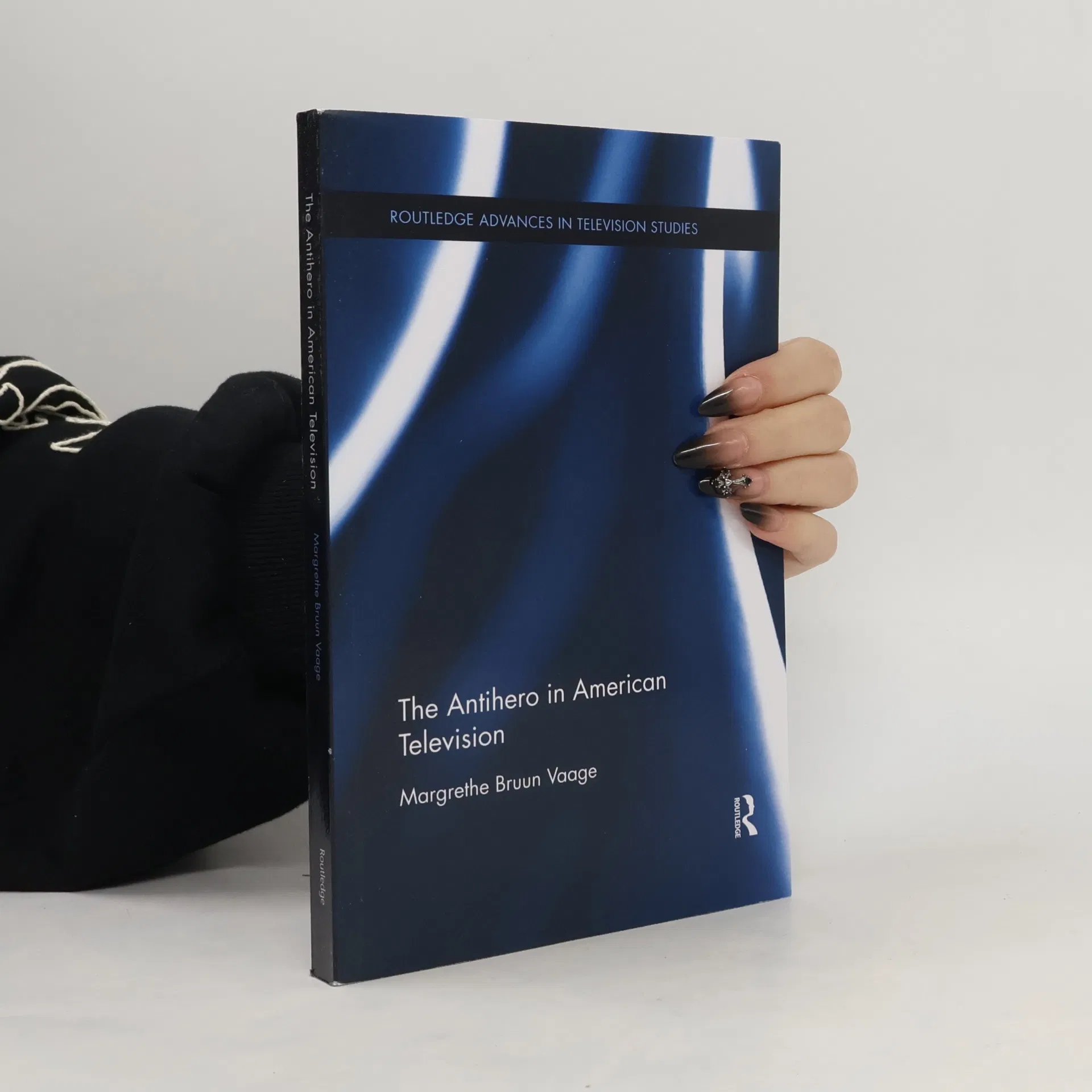
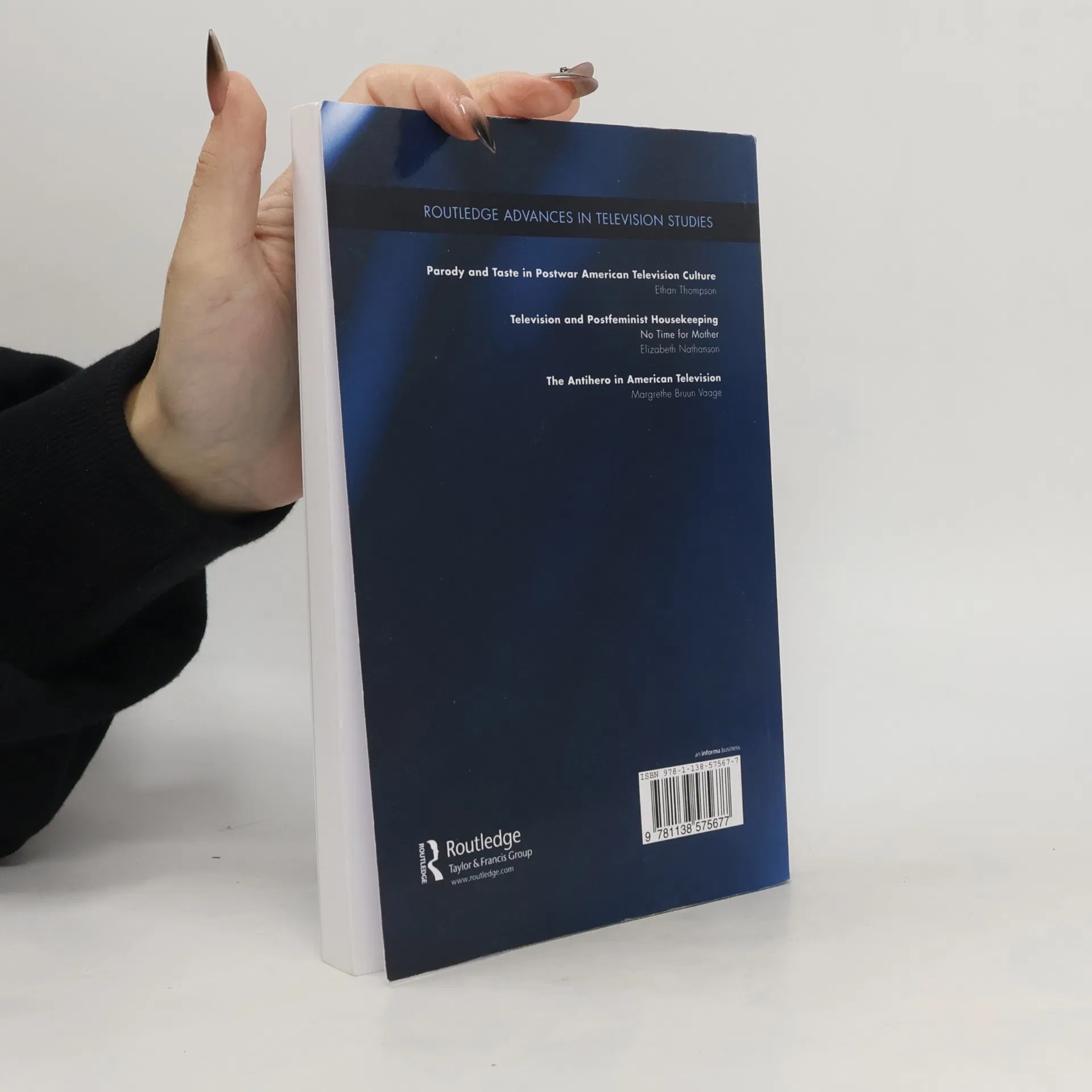
Routledge Advances in Television Studies: The Antihero in American Television
Auteurs
Parameters
- 238bladzijden
- 9 uur lezen
Meer over het boek
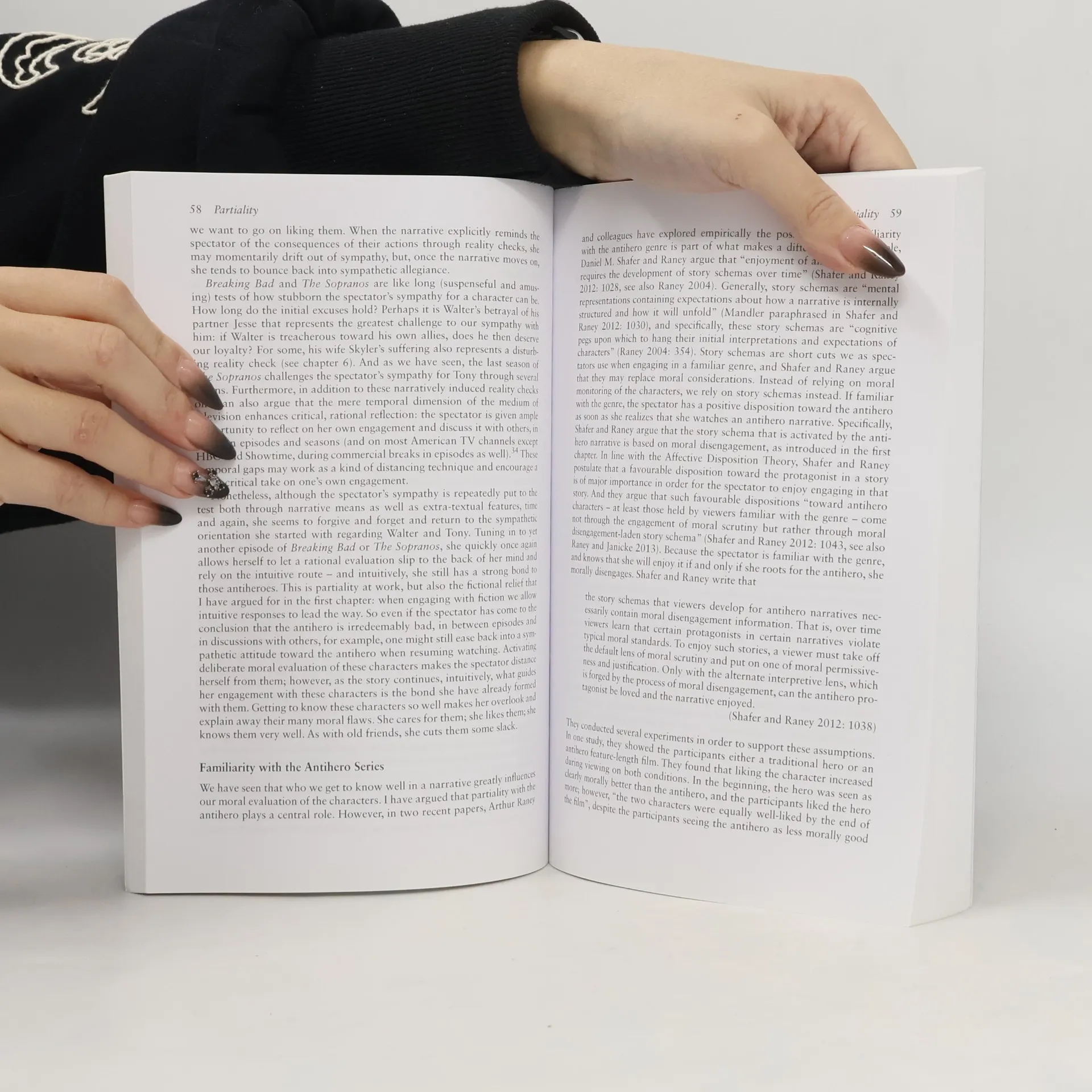
The antihero prevails in recent American drama television series. Characters such as mobster kingpin Tony Soprano ( The Sopranos ), meth cook and gangster-in-the-making Walter White ( Breaking Bad ) and serial killer Dexter Morgan ( Dexter ) are not morally good, so how do these television series make us engage in these morally bad main characters? And what does this tell us about our moral psychological make-up, and more specifically, about the moral psychology of fiction? Vaage argues that the fictional status of these series deactivates rational, deliberate moral evaluation, making the spectator rely on moral emotions and intuitions that are relatively easy to manipulate with narrative strategies. Nevertheless, she also argues that these series regularly encourage reactivation of deliberate, moral evaluation. In so doing, these fictional series can teach us something about ourselves as moral beings--what our moral intuitions and emotions are, and how these might differ from deliberate, moral evaluation.
Een boek kopen
Routledge Advances in Television Studies: The Antihero in American Television, Margrethe Bruun Vaage
- Taal

- Jaar van publicatie
- 2017
- Bindwijze
- (Paperback),
- Staat van het boek
- Zeer goed
- Prijs
- € 49,39
Betaalmethoden
Nog niemand heeft beoordeeld.
- Titel
- Routledge Advances in Television Studies: The Antihero in American Television
- Taal
- Engels
- Auteurs
- Margrethe Bruun Vaage
- Uitgever
- Routledge
- Jaar van publicatie
- 2017
- Formaat
- Paperback
- Aantal pagina's
- 238
- ISBN10
- 1138575674
- ISBN13
- 9781138575677
- Reeks
- Tags
- Wetenschappelijke literatuur, Ethiek, Media en communicatie, Televisie, Podiumkunsten, Esthetiek
- Aantekening
- The antihero prevails in recent American drama television series. Characters such as mobster kingpin Tony Soprano ( The Sopranos ), meth cook and gangster-in-the-making Walter White ( Breaking Bad ) and serial killer Dexter Morgan ( Dexter ) are not morally good, so how do these television series make us engage in these morally bad main characters? And what does this tell us about our moral psychological make-up, and more specifically, about the moral psychology of fiction? Vaage argues that the fictional status of these series deactivates rational, deliberate moral evaluation, making the spectator rely on moral emotions and intuitions that are relatively easy to manipulate with narrative strategies. Nevertheless, she also argues that these series regularly encourage reactivation of deliberate, moral evaluation. In so doing, these fictional series can teach us something about ourselves as moral beings--what our moral intuitions and emotions are, and how these might differ from deliberate, moral evaluation.