


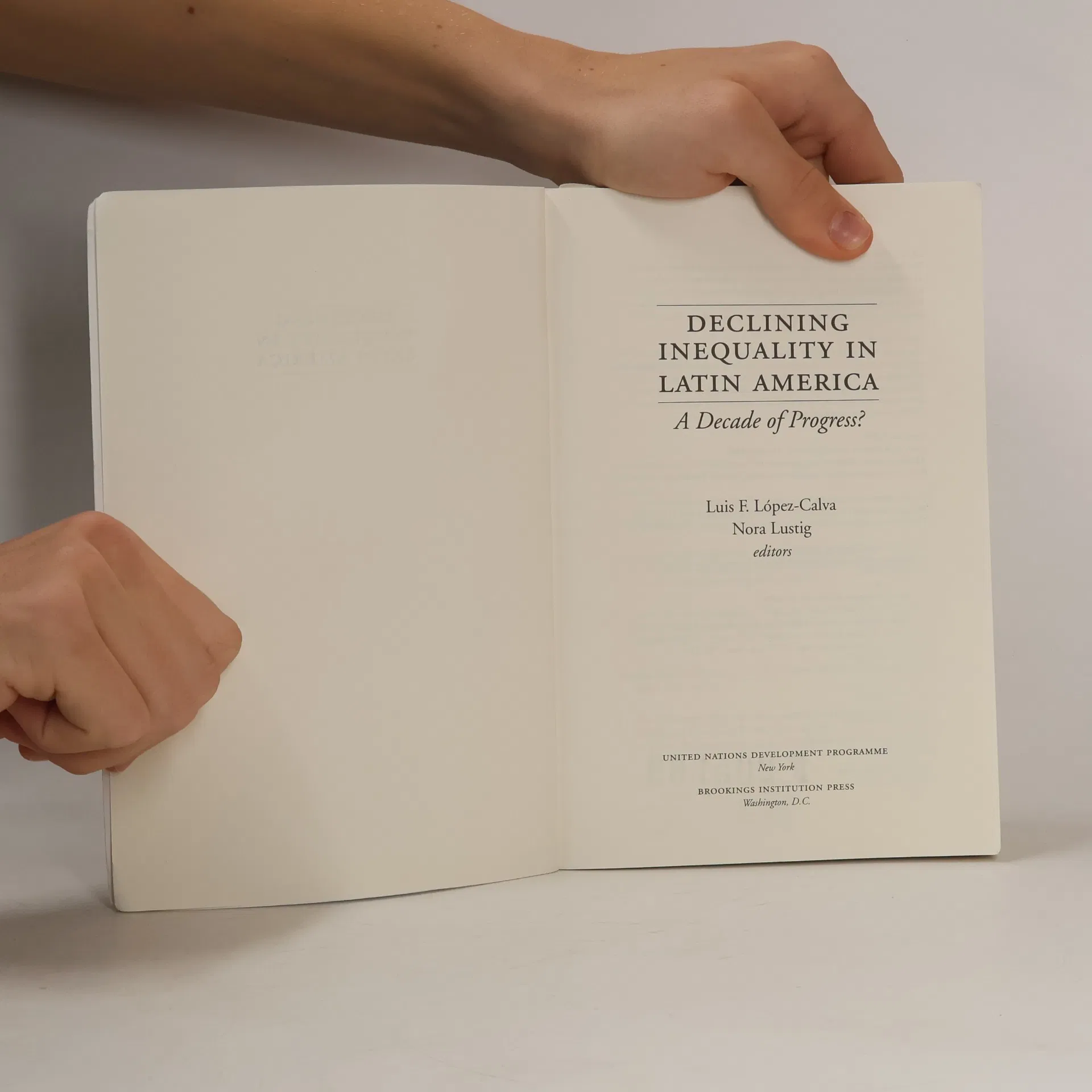
Declining Inequality in Latin America
A Decade of Progress?
Parameters
- 263bladzijden
- 10 uur lezen
Meer over het boek
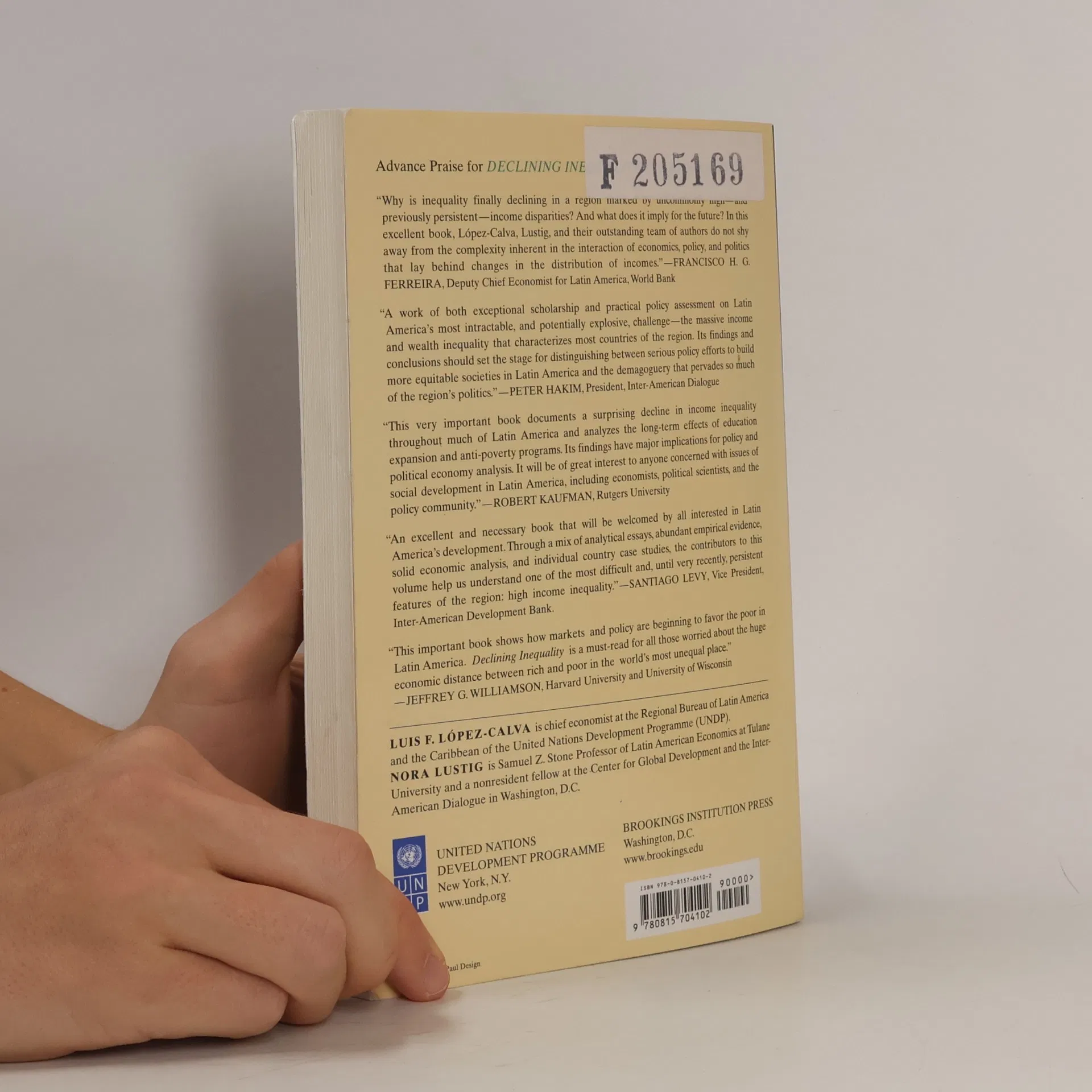
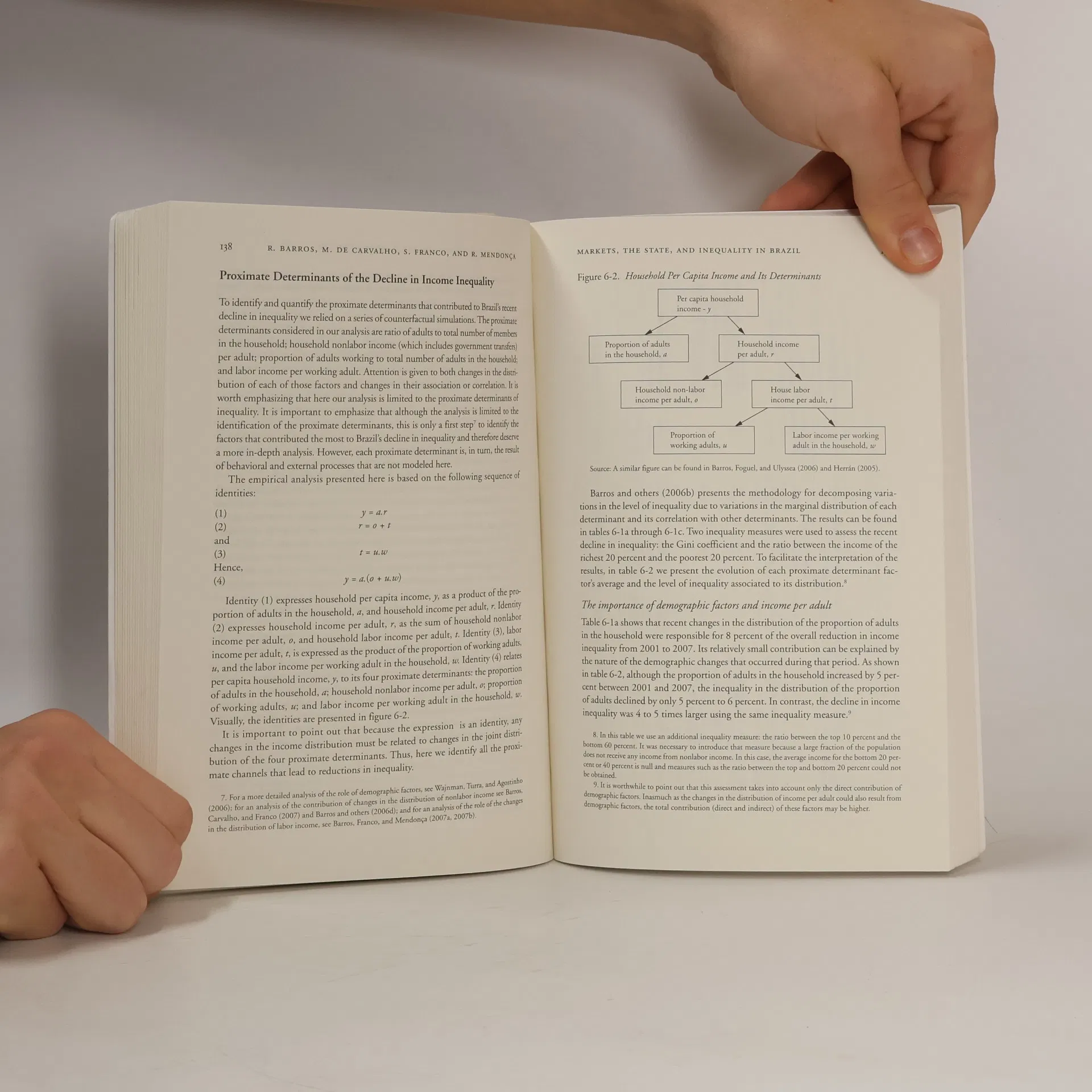
Latin America is often singled out for its high and persistent income inequality. Toward the end of the 1990s, however, income concentration began to fall across the region. Of the seventeen countries for which comparable data are available, twelve have experienced a decline, particularly since 2000. This book is among the first efforts to understand what happened in these countries and why.Led by editors Felipe López-Calva and Nora Lustig, a panel of distinguished economists undertakes in-depth analyses of Argentina, Brazil, Mexico, and Peru. In addition, they provide essential background in the form of overviews of the relationship between markets and inequality, the political economy of redistribution, and the evolution of income inequality in the advanced industrialized economies. Two factors account for much of the decline in inequality: a decrease in the wage gap between skilled and low-skilled labor, and an increase in government transfers targeted to the poor.Thanks to the timeliness and sophistication of these essays, Declining Inequality in Latin America is likely to become a standard reference in its field.
Een boek kopen
Declining Inequality in Latin America, Nora Lustig, Luis Felipe López-Calva
- Taal

- Jaar van publicatie
- 2010
- Bindwijze
- (Paperback),
- Staat van het boek
- Goed
- Prijs
- € 21,49
Betaalmethoden
Nog niemand heeft beoordeeld.
- Titel
- Declining Inequality in Latin America
- Ondertitel
- A Decade of Progress?
- Taal
- Engels
- Auteurs
- Nora Lustig, Luis Felipe López-Calva
- Uitgever
- Brookings Institution
- Jaar van publicatie
- 2010
- Formaat
- Paperback
- Aantal pagina's
- 263
- ISBN10
- 0815704100
- ISBN13
- 9780815704102
- Reeks
- Categorieën
- Aantekening
- Latin America is often singled out for its high and persistent income inequality. Toward the end of the 1990s, however, income concentration began to fall across the region. Of the seventeen countries for which comparable data are available, twelve have experienced a decline, particularly since 2000. This book is among the first efforts to understand what happened in these countries and why.Led by editors Felipe López-Calva and Nora Lustig, a panel of distinguished economists undertakes in-depth analyses of Argentina, Brazil, Mexico, and Peru. In addition, they provide essential background in the form of overviews of the relationship between markets and inequality, the political economy of redistribution, and the evolution of income inequality in the advanced industrialized economies. Two factors account for much of the decline in inequality: a decrease in the wage gap between skilled and low-skilled labor, and an increase in government transfers targeted to the poor.Thanks to the timeliness and sophistication of these essays, Declining Inequality in Latin America is likely to become a standard reference in its field.