

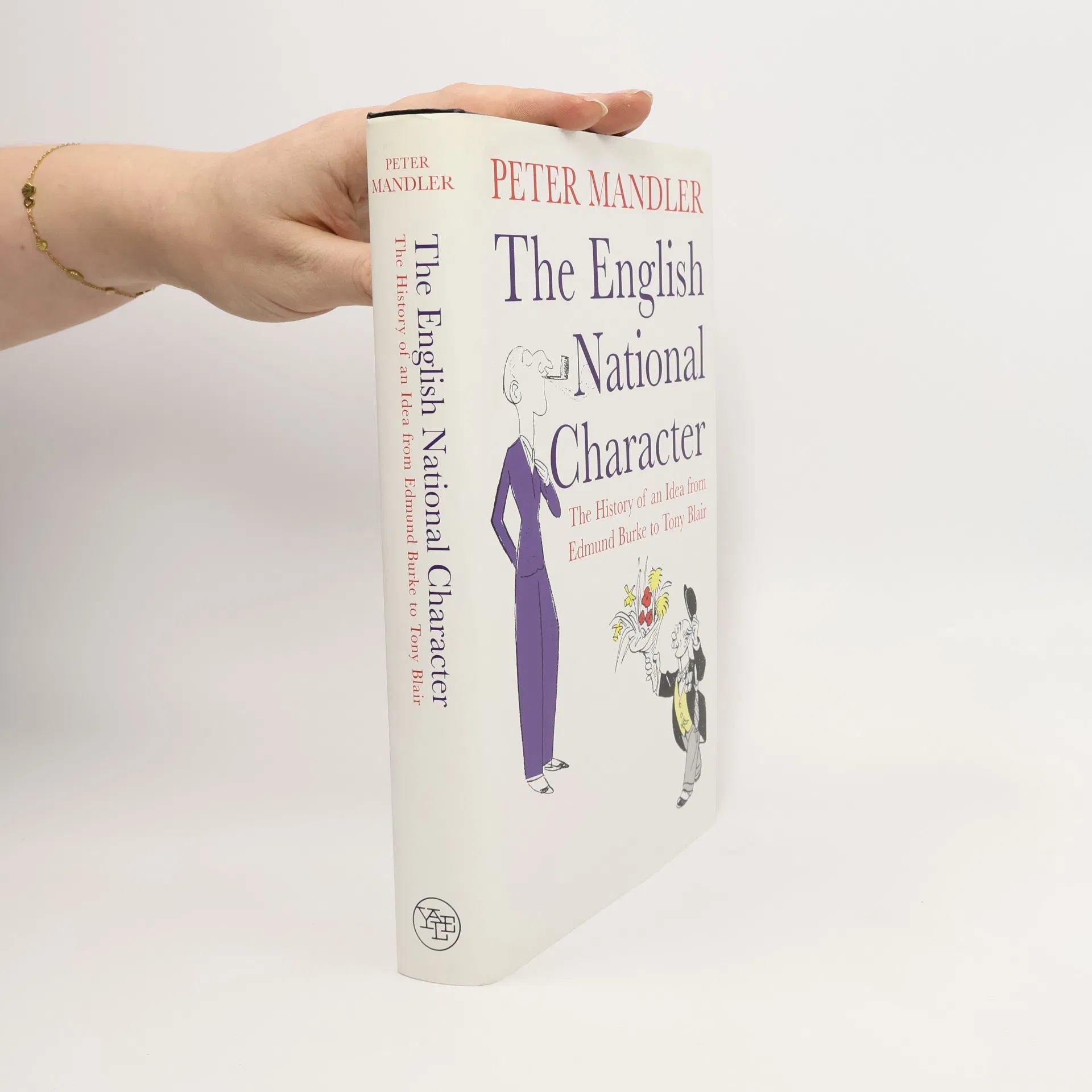

The English National Character
The History of an Idea from Edmund Burke to Tony Blair
Auteurs
Parameters
- 360bladzijden
- 13 uur lezen
Meer over het boek
What defines “the English”? This original and wide-ranging exploration delves into the evolving ideas about English "national character" over the past two centuries. Two hundred years ago, the concept of national character was novel and not widely respected. Today, many individuals struggle to envision a cohesive national identity. However, as Britain transitioned to democracy, the notion of national character became ingrained in public consciousness, evident in representations like "John Bull" and the "Little Man," alongside various stereotypes of English traits and behaviors. The English, unreserved in discussing their identity, have produced extensive material on what it means to be English—drawing from lectures, sermons, political speeches, journalism, literature, films, and social science research. This comprehensive and well-argued work by a leading historian of modern Britain challenges long-held beliefs and stereotypes, offering a fresh perspective on English identity. Through this examination, the book invites readers to reconsider their understanding of what it means to be English in a contemporary context.
Een boek kopen
The English National Character, Peter Mandler
- Taal

- Jaar van publicatie
- 2006
- Bindwijze
- (Hardcover),
- Staat van het boek
- Goed
- Prijs
- € 6,89
Betaalmethoden
Nog niemand heeft beoordeeld.
- Titel
- The English National Character
- Ondertitel
- The History of an Idea from Edmund Burke to Tony Blair
- Taal
- Engels
- Auteurs
- Peter Mandler
- Uitgever
- Yale University Press
- Jaar van publicatie
- 2006
- Formaat
- Hardcover
- Aantal pagina's
- 360
- ISBN10
- 0300120524
- ISBN13
- 9780300120523
- Reeks
- Categorieën
- Aantekening
- What defines “the English”? This original and wide-ranging exploration delves into the evolving ideas about English "national character" over the past two centuries. Two hundred years ago, the concept of national character was novel and not widely respected. Today, many individuals struggle to envision a cohesive national identity. However, as Britain transitioned to democracy, the notion of national character became ingrained in public consciousness, evident in representations like "John Bull" and the "Little Man," alongside various stereotypes of English traits and behaviors. The English, unreserved in discussing their identity, have produced extensive material on what it means to be English—drawing from lectures, sermons, political speeches, journalism, literature, films, and social science research. This comprehensive and well-argued work by a leading historian of modern Britain challenges long-held beliefs and stereotypes, offering a fresh perspective on English identity. Through this examination, the book invites readers to reconsider their understanding of what it means to be English in a contemporary context.