

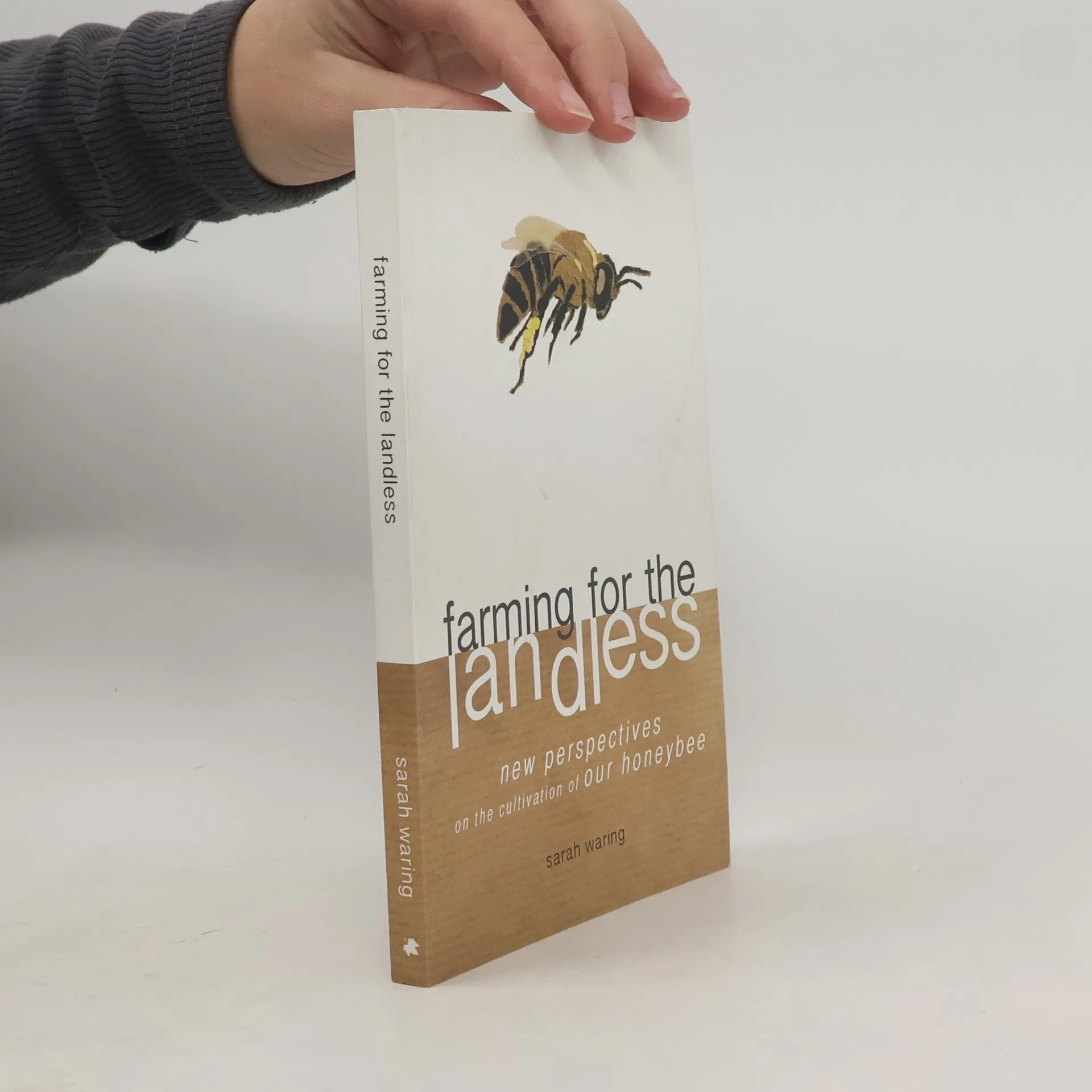
Farming for the Landless
New Perspectives on the Cultivation of Our Honeybee
Auteurs
Meer over het boek
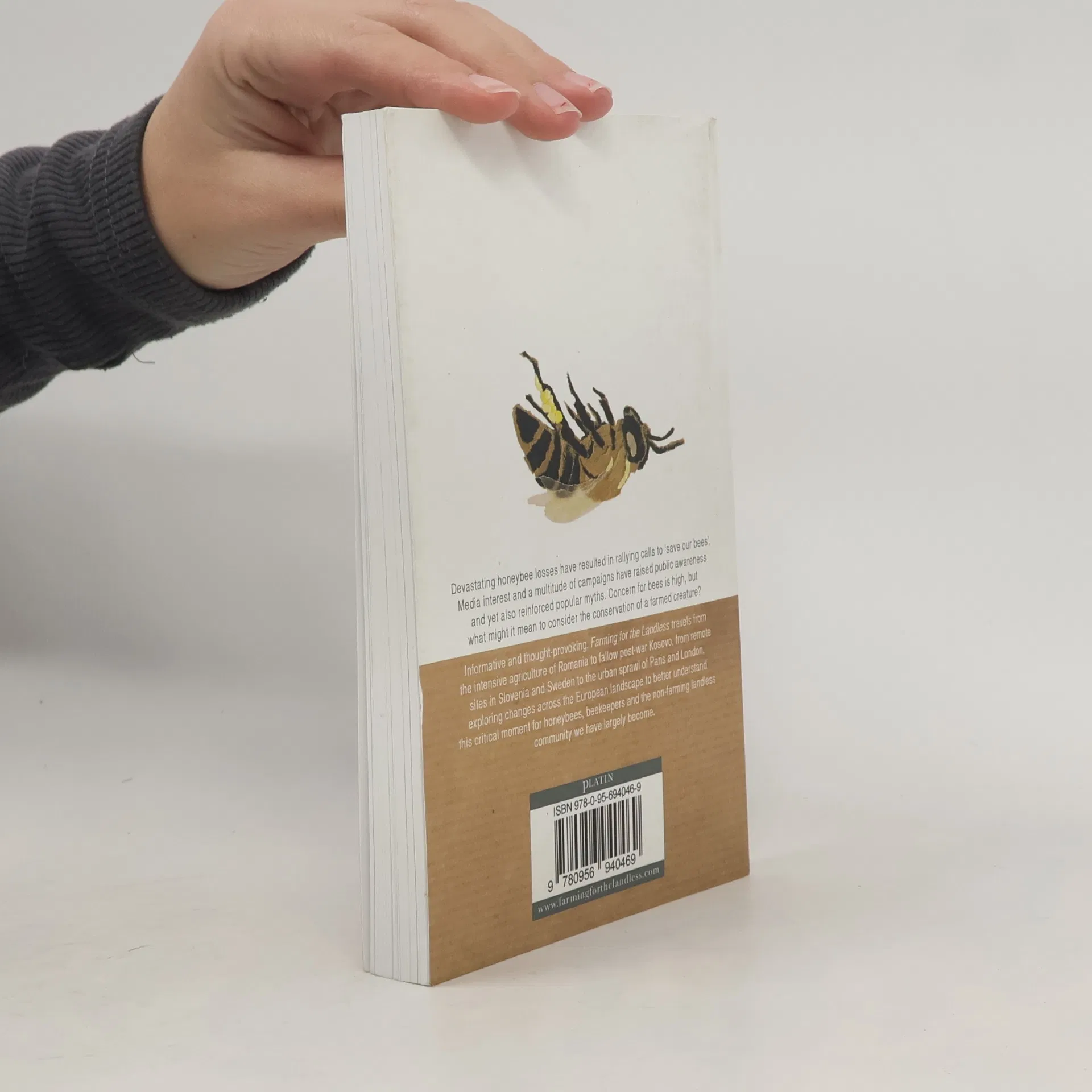
Devastating honeybee losses have resulted in rallying calls to ‘save our bees’. Media interest and a multitude of campaigns have raised public awareness and yet also reinforced popular myths. Concern for bees is high, but what might it mean to consider the conservation of a farmed creature? Informative and thought-provoking, 'Farming for the Landless' travels from the intensive agriculture of Romania to fallow post-war Kosovo, from remote sites in Slovenia and Sweden to the urban sprawl of Paris and London, exploring changes across the European landscape to better understand this critical moment for honeybees, beekeepers and the non-farming landless community we have largely become.
Een boek kopen
Farming for the Landless, Sarah Waring
- Taal

- Jaar van publicatie
- 2015
- Bindwijze
- (Paperback),
- Staat van het boek
- Zeer goed
- Prijs
- € 6,49
Betaalmethoden
Nog niemand heeft beoordeeld.
- Titel
- Farming for the Landless
- Ondertitel
- New Perspectives on the Cultivation of Our Honeybee
- Taal
- Engels
- Auteurs
- Sarah Waring
- Uitgever
- Platin Press
- Jaar van publicatie
- 2015
- Formaat
- Paperback
- Aantal pagina's
- 196
- ISBN10
- 0956940463
- ISBN13
- 9780956940469
- Reeks
- Categorieën
- Tags
- Natuur, Reizen, Technologie, Bijen, bijenteelt
- Aantekening
- Devastating honeybee losses have resulted in rallying calls to ‘save our bees’. Media interest and a multitude of campaigns have raised public awareness and yet also reinforced popular myths. Concern for bees is high, but what might it mean to consider the conservation of a farmed creature? Informative and thought-provoking, 'Farming for the Landless' travels from the intensive agriculture of Romania to fallow post-war Kosovo, from remote sites in Slovenia and Sweden to the urban sprawl of Paris and London, exploring changes across the European landscape to better understand this critical moment for honeybees, beekeepers and the non-farming landless community we have largely become.