

Meer over het boek
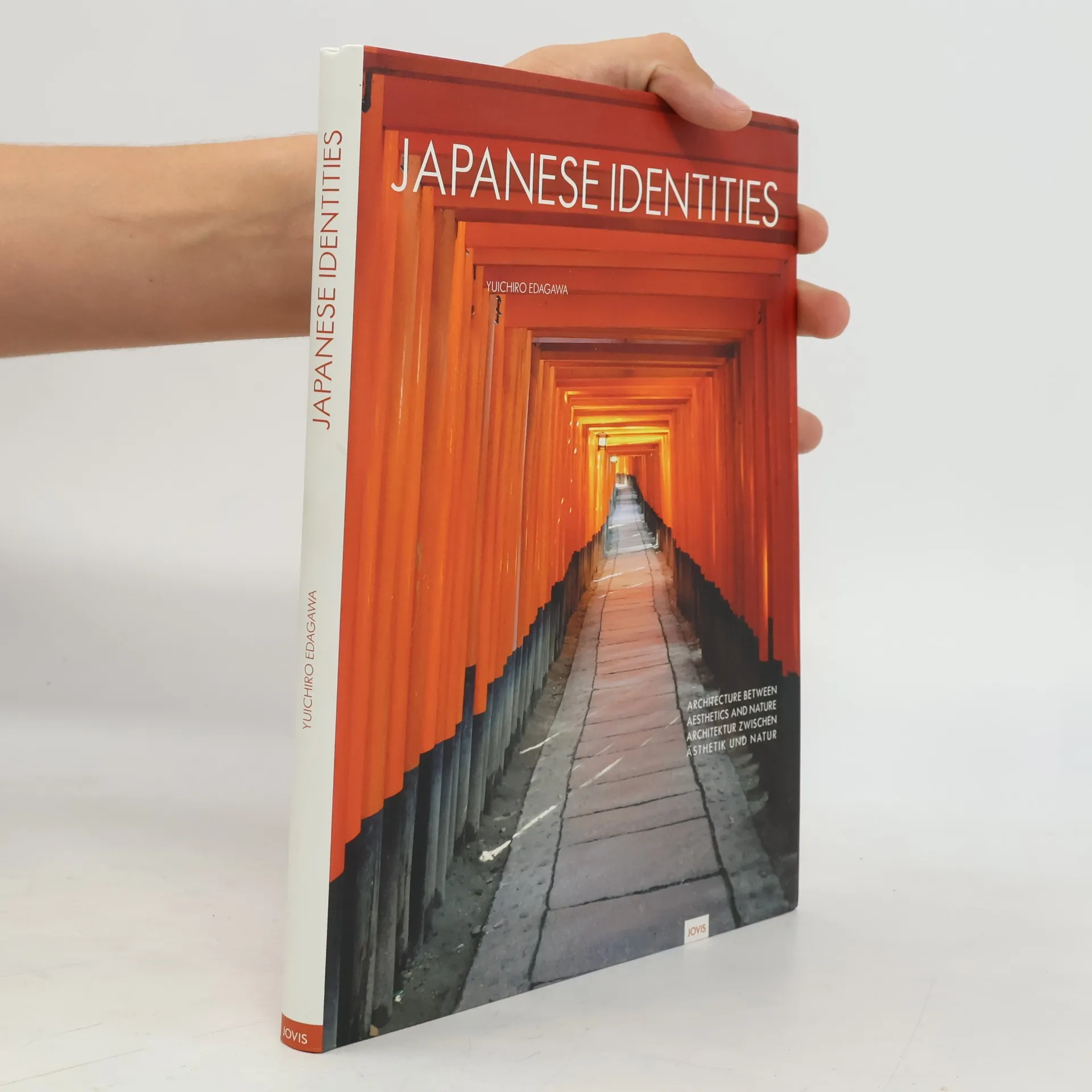
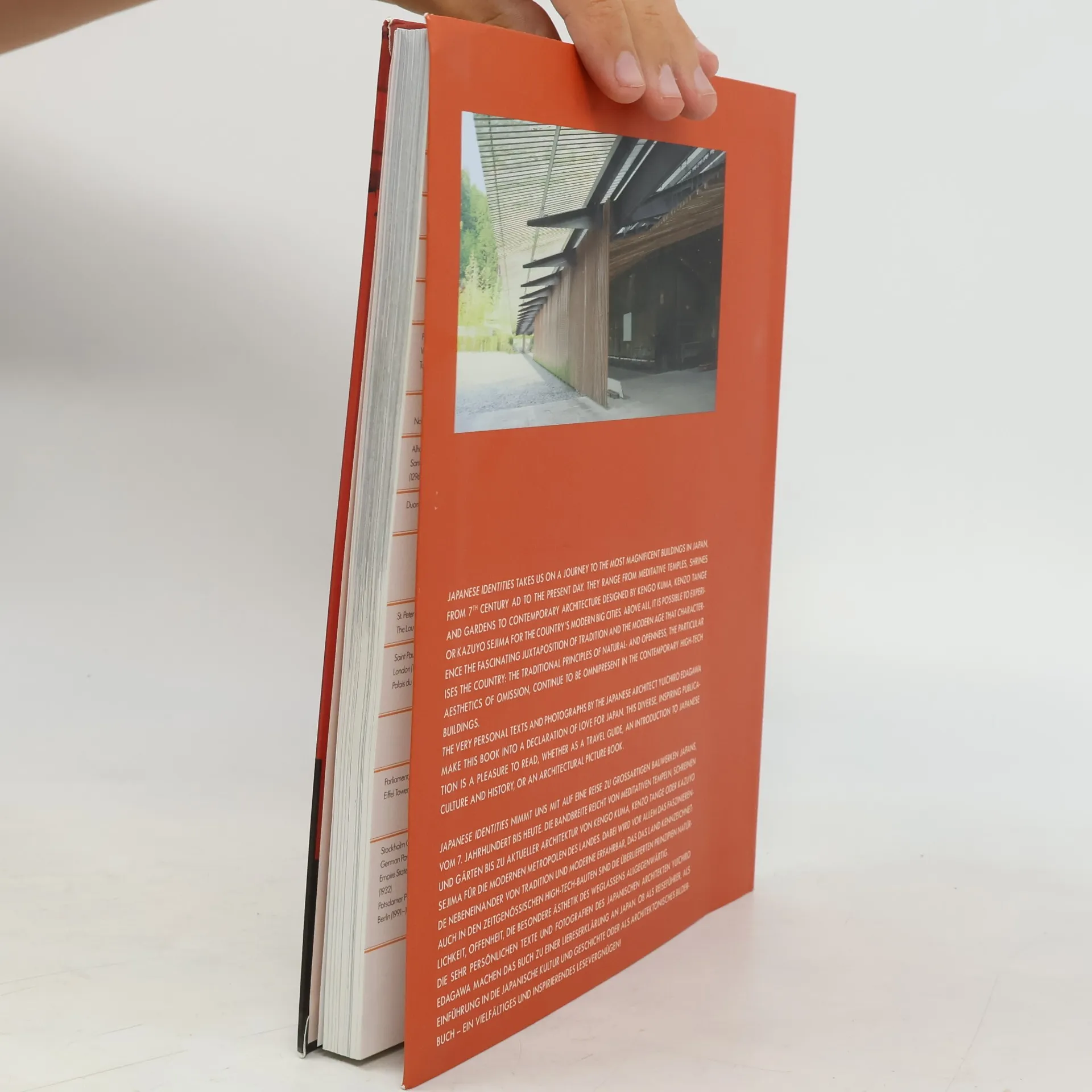
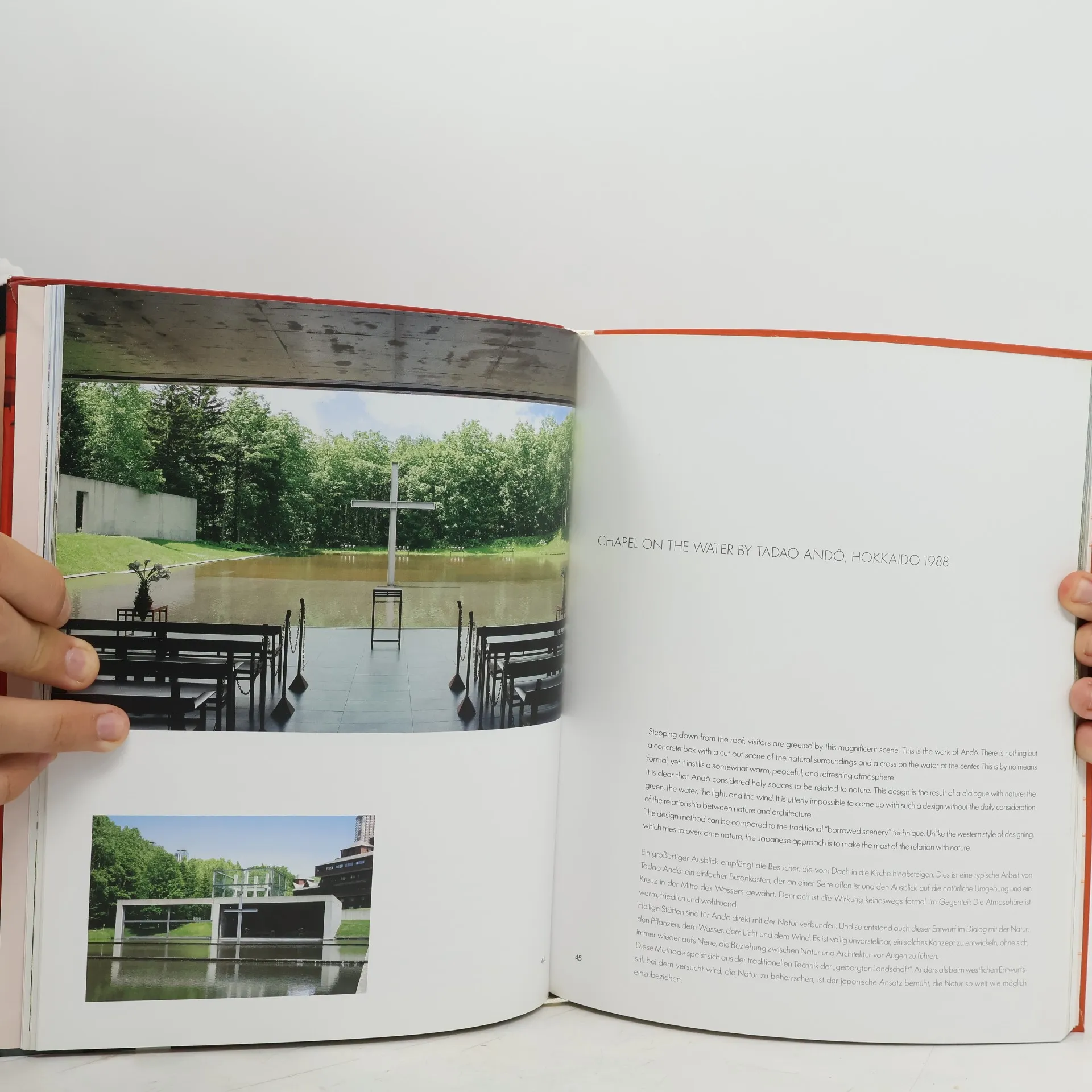
Japanese Identities takes readers on a journey to the most magnificent buildings of Japan, erected anywhere from the seventh century AD to the present. A sweeping survey, this volume covers everything from rural vernacular architecture, temples, shrines and gardens to innovative solutions for contemporary urban architectural issues by Kengo Kuma, Kenzo Tange and Kazuyo Sejima, among others. An important hallmark of Japanese architecture is its juxtaposition of traditional styles and materials with contemporary concerns and aesthetics. Primary aspects include the frequent use of organic materials, a lack of cluttered decoration and a timeless sense of openness. In this affordable paperback, informed yet intimate photographs and texts by Japanese architect Yuichiro Edagawa offer a glowing insider's view of Japanese cultural history. It is a pleasure to read, whether as a travel guide, a straight architectural photography book or an introduction to Japanese cultural history.
Een boek kopen
Japanese identities, Yūichirō Edagawa
- Taal

- Jaar van publicatie
- 2008
- Bindwijze
- (Paperback)
Betaalmethoden
We missen je recensie hier.
- Titel
- Japanese identities
- Taal
- Engels
- Auteurs
- Yūichirō Edagawa
- Uitgever
- jovis
- Jaar van publicatie
- 2008
- Formaat
- Paperback
- Aantal pagina's
- 173
- ISBN10
- 3939633380
- ISBN13
- 9783939633389
- Reeks
- Tags
- Architectuur
- Beoordeling
- 4,35 van 5
- Aantekening
- Japanese Identities takes readers on a journey to the most magnificent buildings of Japan, erected anywhere from the seventh century AD to the present. A sweeping survey, this volume covers everything from rural vernacular architecture, temples, shrines and gardens to innovative solutions for contemporary urban architectural issues by Kengo Kuma, Kenzo Tange and Kazuyo Sejima, among others. An important hallmark of Japanese architecture is its juxtaposition of traditional styles and materials with contemporary concerns and aesthetics. Primary aspects include the frequent use of organic materials, a lack of cluttered decoration and a timeless sense of openness. In this affordable paperback, informed yet intimate photographs and texts by Japanese architect Yuichiro Edagawa offer a glowing insider's view of Japanese cultural history. It is a pleasure to read, whether as a travel guide, a straight architectural photography book or an introduction to Japanese cultural history.