

Meer over het boek
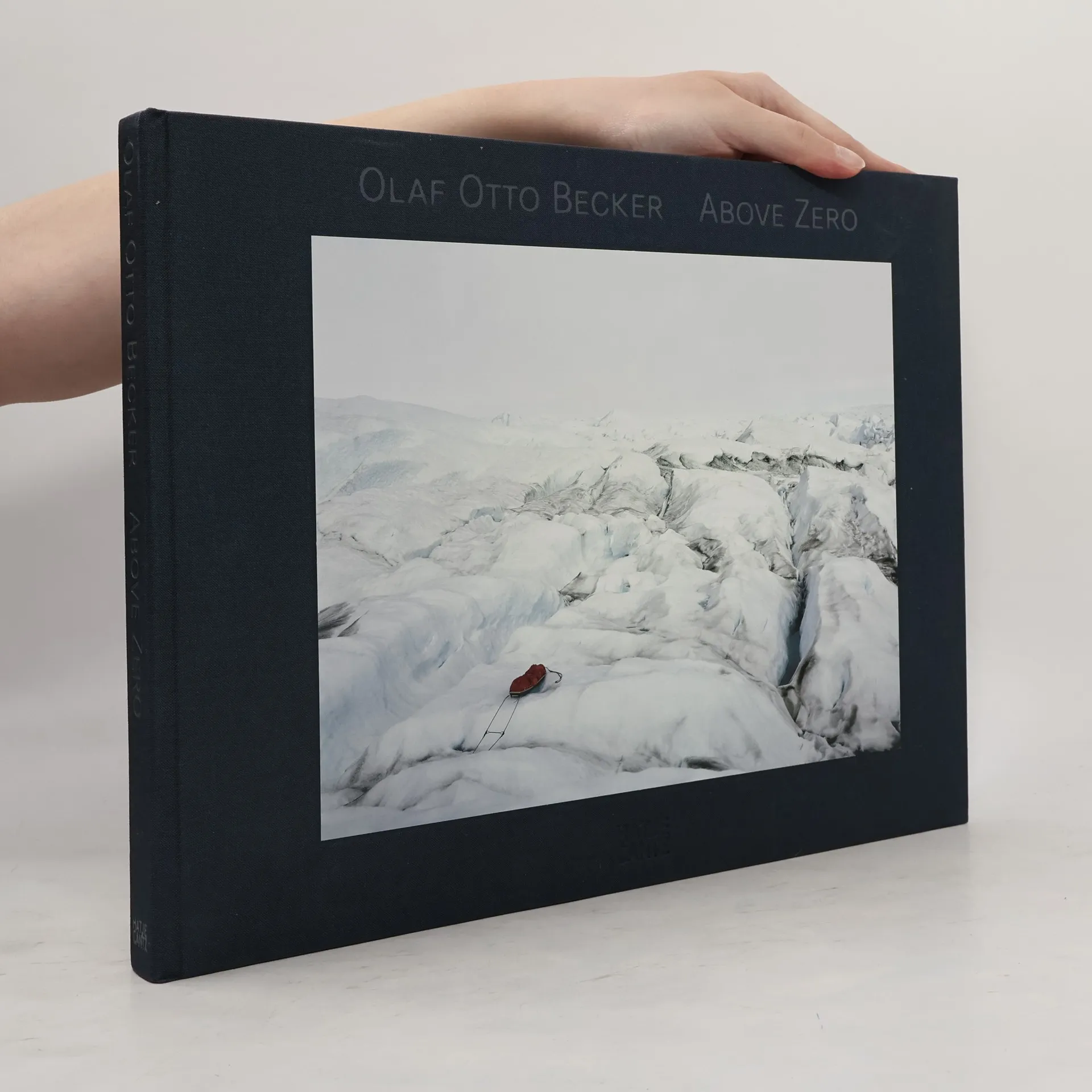
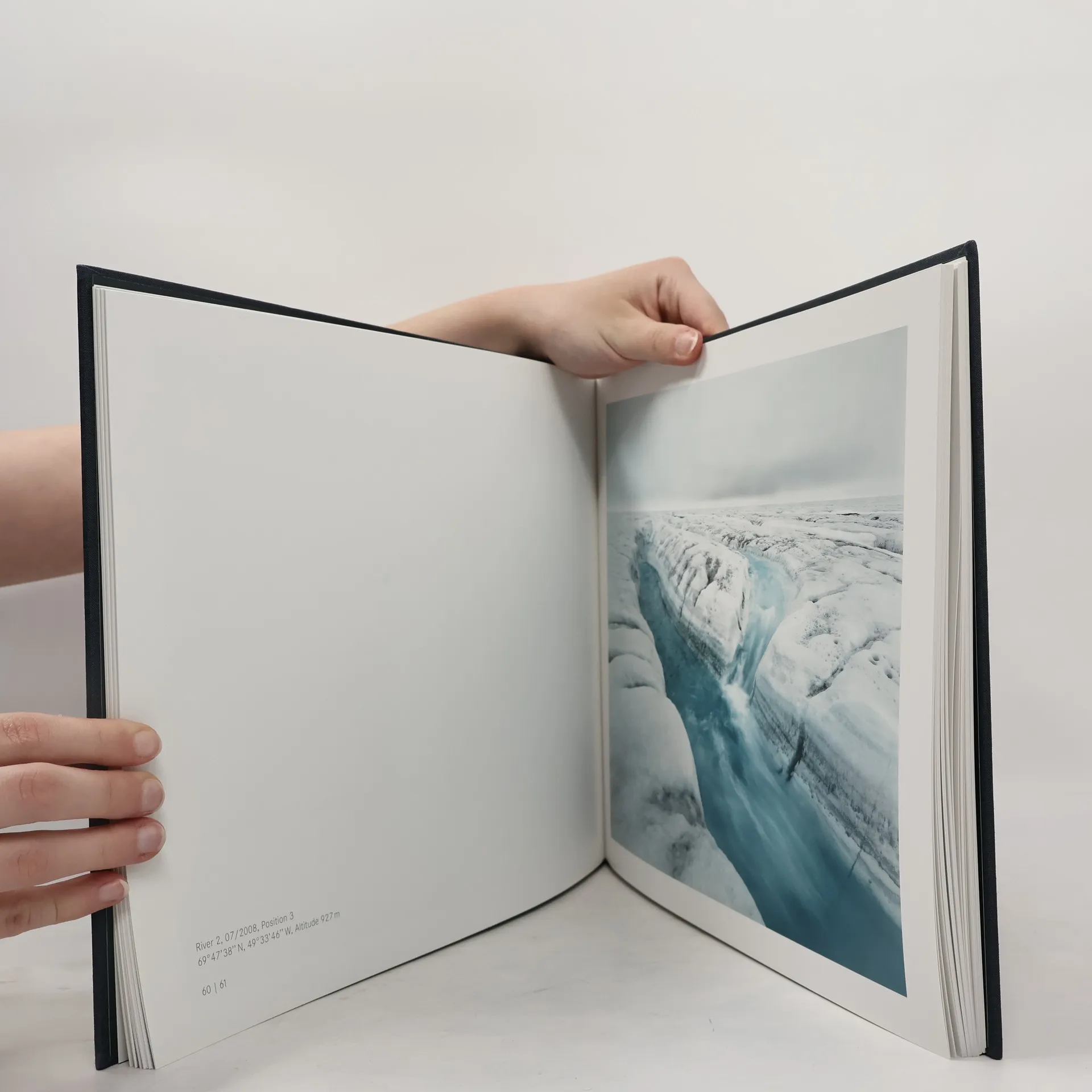
Following Broken Line , a prizewinning portrait of the coast of Greenland, Olaf Otto Becker (born in Travemünde, 1959) turns his attention to the interior of the island in his new series, Above Zero . Second only to Antarctica, Greenland has the largest inland ice surfaces in the world. Becker's spectacular portraits of this region are taken during physically strenuous, sometimes life-threatening treks among glacial crevasses and melting ice floes, with a cumbersome large-format camera. His photo studies draw out the overwhelming beauty of this icy landscape, while documenting their present dust and rust in the air form black, crusty deposits, which, in conjunction with global warming, accelerate the melting of the ice sheets--with what will probably be inevitable, catastrophic results. Becker warns that even in these uninhabited regions, human actions can have fatal consequences.
Een boek kopen
Above zero, Olaf Otto Becker
- Taal

- Jaar van publicatie
- 2009
- Bindwijze
- (Hardcover)
Betaalmethoden
We missen je recensie hier.
- Titel
- Above zero
- Taal
- Engels
- Auteurs
- Olaf Otto Becker
- Uitgever
- Hatje Cantz
- Jaar van publicatie
- 2009
- Formaat
- Hardcover
- Aantal pagina's
- 176
- ISBN10
- 3775724370
- ISBN13
- 9783775724371
- Reeks
- Categorieën
- Tags
- Beoordeling
- 3,65 van 5
- Aantekening
- Following Broken Line , a prizewinning portrait of the coast of Greenland, Olaf Otto Becker (born in Travemünde, 1959) turns his attention to the interior of the island in his new series, Above Zero . Second only to Antarctica, Greenland has the largest inland ice surfaces in the world. Becker's spectacular portraits of this region are taken during physically strenuous, sometimes life-threatening treks among glacial crevasses and melting ice floes, with a cumbersome large-format camera. His photo studies draw out the overwhelming beauty of this icy landscape, while documenting their present dust and rust in the air form black, crusty deposits, which, in conjunction with global warming, accelerate the melting of the ice sheets--with what will probably be inevitable, catastrophic results. Becker warns that even in these uninhabited regions, human actions can have fatal consequences.