



Boekbeoordeling
Meer over het boek
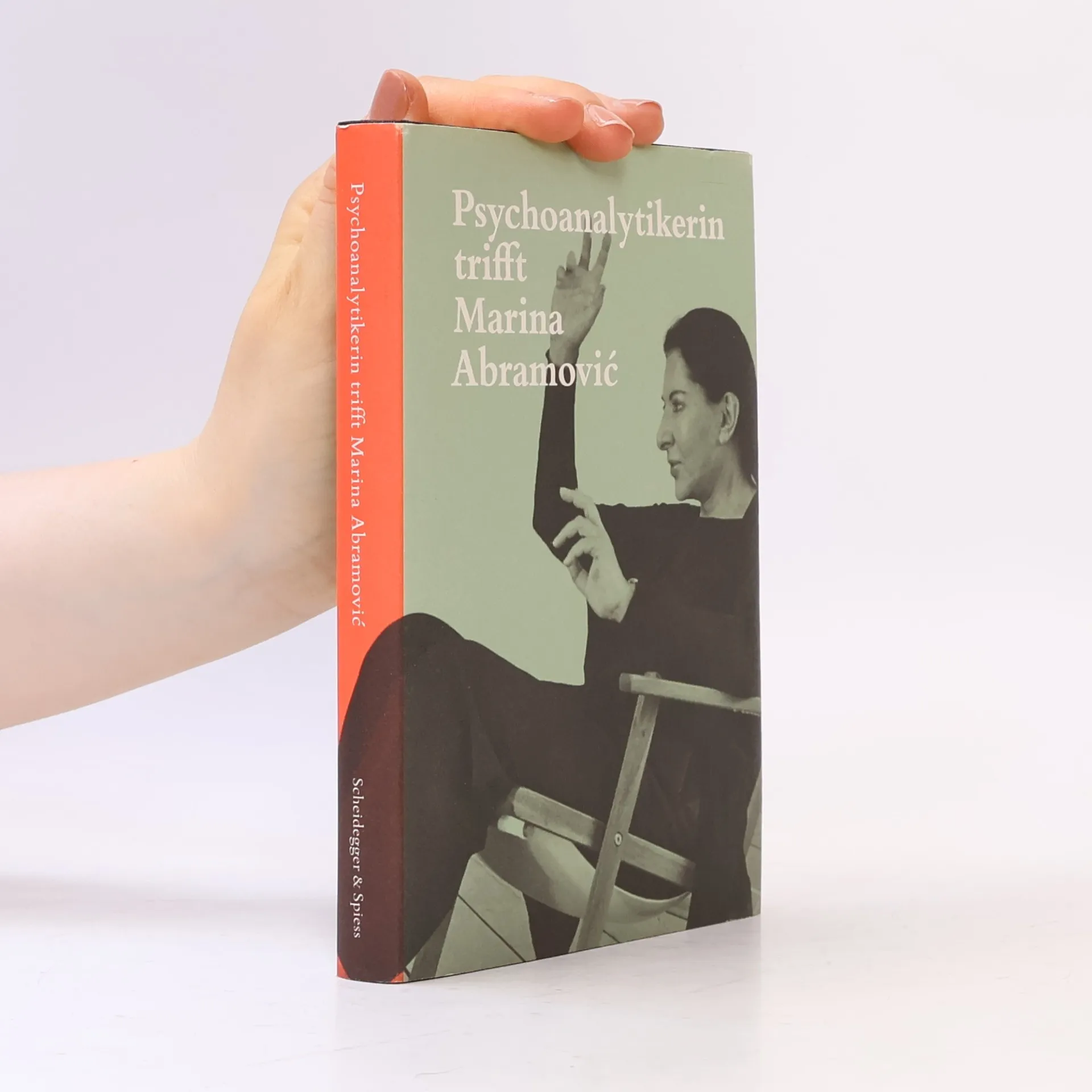
In summer 2015, famous performance artist Marina Abramović and psychoanalyst Jeannette Fischer spent four days together at Abramović’s house in the Hudson Valley. Associating freely, they took a psychoanalytical perspective for a lengthy exploration of Abramović’s biography and art and their interrelation. Abramović went into this discussion in hopes of reaching a better understanding of herself, her personality, and her work. Conversations with artists are widely available, she notes, but a chance to use psychoanalysis to put an artist’s life and work in context is much more rare. The resulting book is neither a therapist’s report nor a Fischer’s analysis of Abramović. Rather, it is a search for understanding conducted by the pair, looking for the structures and dynamics that underlie Abramović’s life and art. The dialogues are presented along with Fischer’s comments on them and images of some of Abramović’s performances that are referred to in the discussion.
Een boek kopen
Psychoanalytikerin trifft Marina Abramović - Künstlerin trifft Jeannette Fischer, Jeannette Fischer
- Taal

- Jaar van publicatie
- 2018
- Bindwijze
- (Hardcover)
Betaalmethoden
We missen je recensie hier.
- Titel
- Psychoanalytikerin trifft Marina Abramović - Künstlerin trifft Jeannette Fischer
- Taal
- Duits
- Auteurs
- Jeannette Fischer
- Uitgever
- Scheidegger & Spiess
- Jaar van publicatie
- 2018
- Formaat
- Hardcover
- Aantal pagina's
- 176
- ISBN10
- 3858815462
- ISBN13
- 9783858815460
- Reeks
- Categorieën
- Tags
- Beoordeling
- 4 van 5
- Aantekening
- In summer 2015, famous performance artist Marina Abramović and psychoanalyst Jeannette Fischer spent four days together at Abramović’s house in the Hudson Valley. Associating freely, they took a psychoanalytical perspective for a lengthy exploration of Abramović’s biography and art and their interrelation. Abramović went into this discussion in hopes of reaching a better understanding of herself, her personality, and her work. Conversations with artists are widely available, she notes, but a chance to use psychoanalysis to put an artist’s life and work in context is much more rare. The resulting book is neither a therapist’s report nor a Fischer’s analysis of Abramović. Rather, it is a search for understanding conducted by the pair, looking for the structures and dynamics that underlie Abramović’s life and art. The dialogues are presented along with Fischer’s comments on them and images of some of Abramović’s performances that are referred to in the discussion.