


Meer over het boek
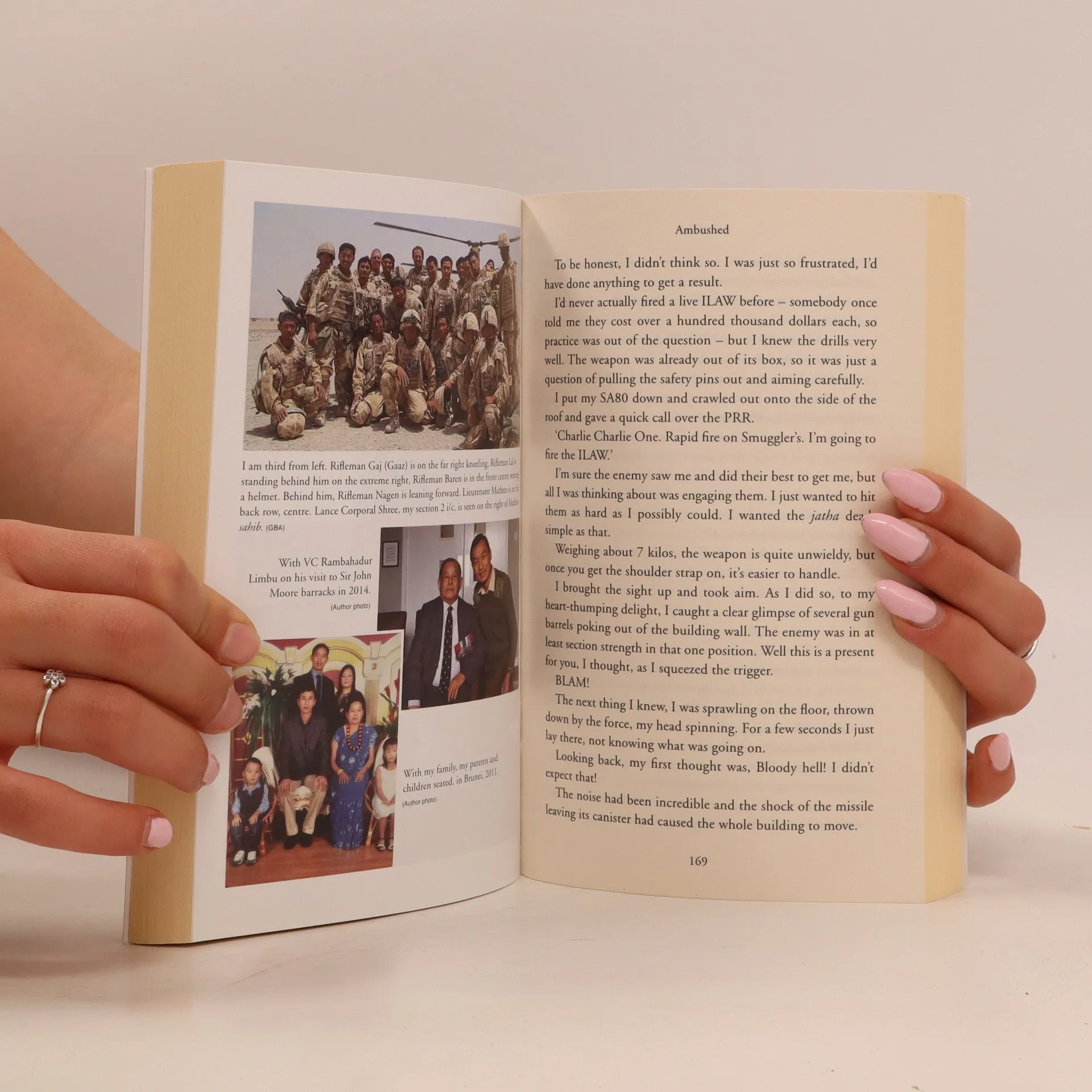
In this bestselling memoir, Colour-Sargent Kailash Limbu shares a gripping account of his life as a Gurkha soldier, marking a historic moment as he tells his story in his own words. In summer 2006, his platoon was deployed to occupy a police compound in Now Zad, Helmand, initially expected to last forty-eight hours, but they ended up under siege for thirty-one days—one of the longest in the Afghan campaign. Limbu vividly recounts the harrowing and exhilarating details of this siege, during which they engaged an estimated one hundred Taliban fighters, while also reflecting on his upbringing in a remote Himalayan village without roads or electricity. His experiences include eye-opening insights into Gurkha training and rituals, particularly the use of the Kukri knife. The narrative intertwines his childhood and military experiences, creating a unique perspective on the life of a Gurkha. The memoir is described as immersive and thrilling, drawing readers into the intensity of combat and the richness of Limbu's background. It offers a profound glimpse into the life of a soldier and the cultural heritage of the Gurkhas, making it a must-read for anyone interested in their remarkable history.
Een boek kopen
Gurkha : Better to Die Than Live a Coward, Kailash Limbu
- Taal

- Jaar van publicatie
- 2016
- Bindwijze
- (Paperback)
Betaalmethoden
We missen je recensie hier.
- Titel
- Gurkha : Better to Die Than Live a Coward
- Taal
- Engels
- Auteurs
- Kailash Limbu
- Uitgever
- Abacus
- Jaar van publicatie
- 2016
- Formaat
- Paperback
- Aantal pagina's
- 352
- ISBN10
- 0349140103
- ISBN13
- 9780349140100
- Reeks
- Categorieën
- Tags
- Beoordeling
- 3,85 van 5
- Aantekening
- In this bestselling memoir, Colour-Sargent Kailash Limbu shares a gripping account of his life as a Gurkha soldier, marking a historic moment as he tells his story in his own words. In summer 2006, his platoon was deployed to occupy a police compound in Now Zad, Helmand, initially expected to last forty-eight hours, but they ended up under siege for thirty-one days—one of the longest in the Afghan campaign. Limbu vividly recounts the harrowing and exhilarating details of this siege, during which they engaged an estimated one hundred Taliban fighters, while also reflecting on his upbringing in a remote Himalayan village without roads or electricity. His experiences include eye-opening insights into Gurkha training and rituals, particularly the use of the Kukri knife. The narrative intertwines his childhood and military experiences, creating a unique perspective on the life of a Gurkha. The memoir is described as immersive and thrilling, drawing readers into the intensity of combat and the richness of Limbu's background. It offers a profound glimpse into the life of a soldier and the cultural heritage of the Gurkhas, making it a must-read for anyone interested in their remarkable history.