

Meer over het boek
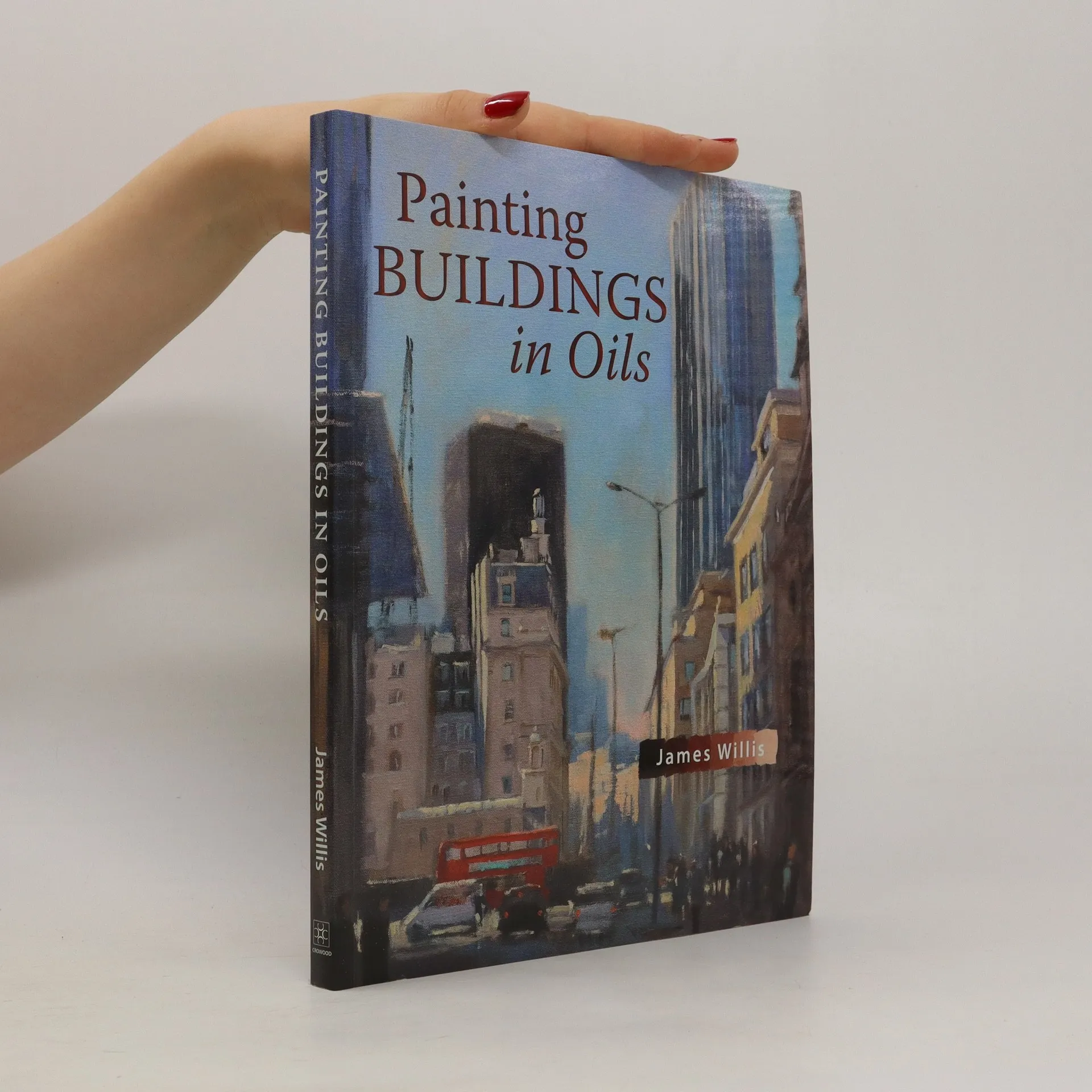
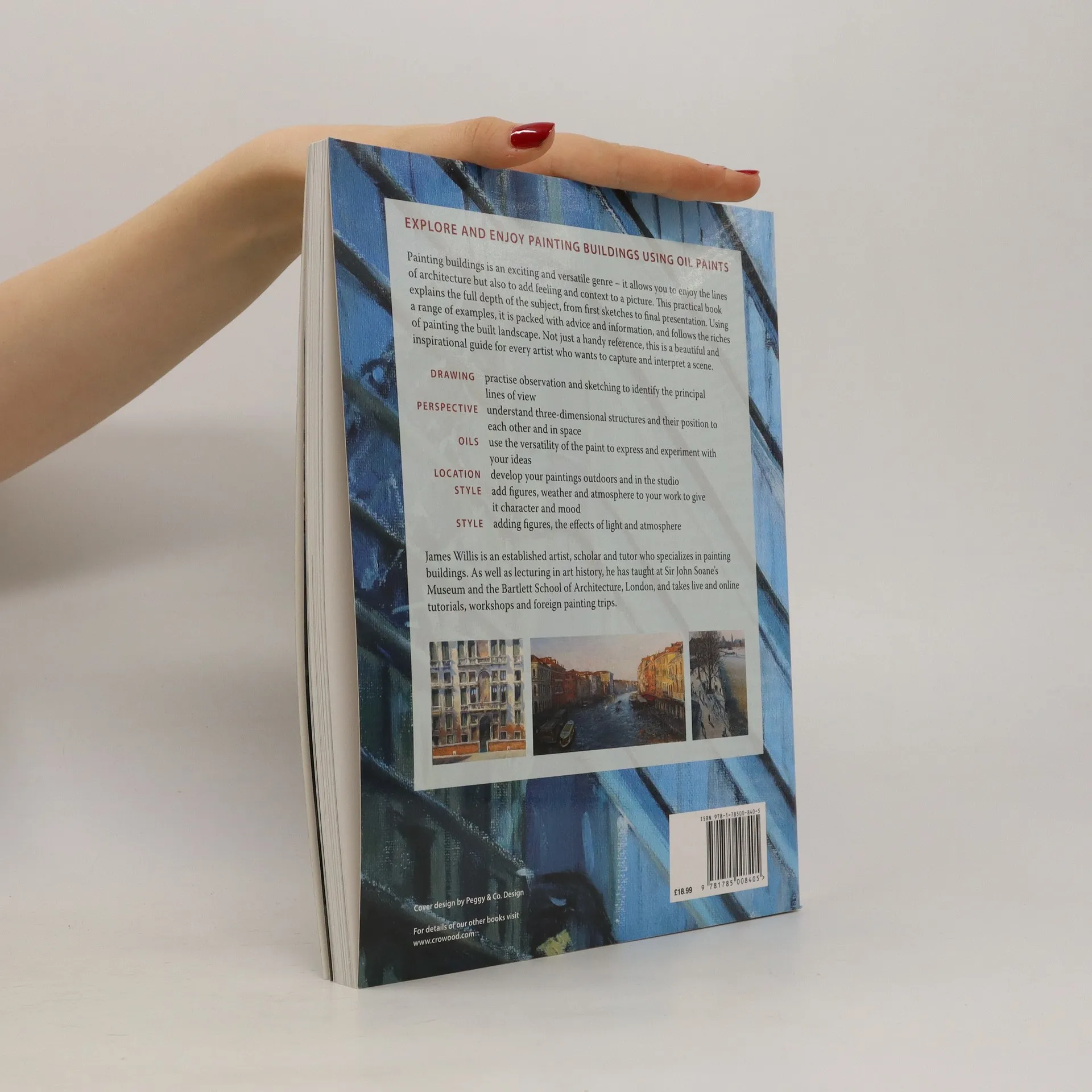
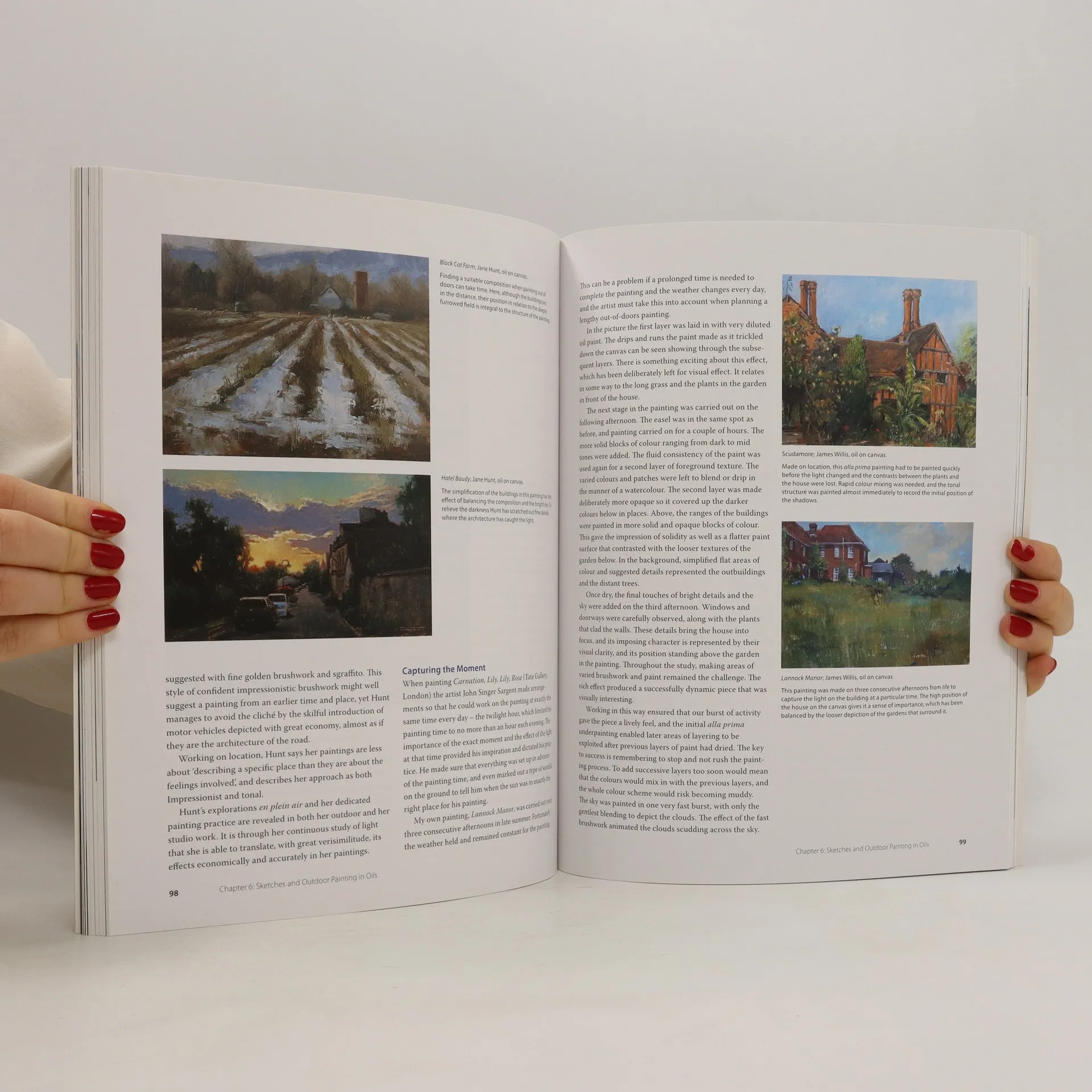
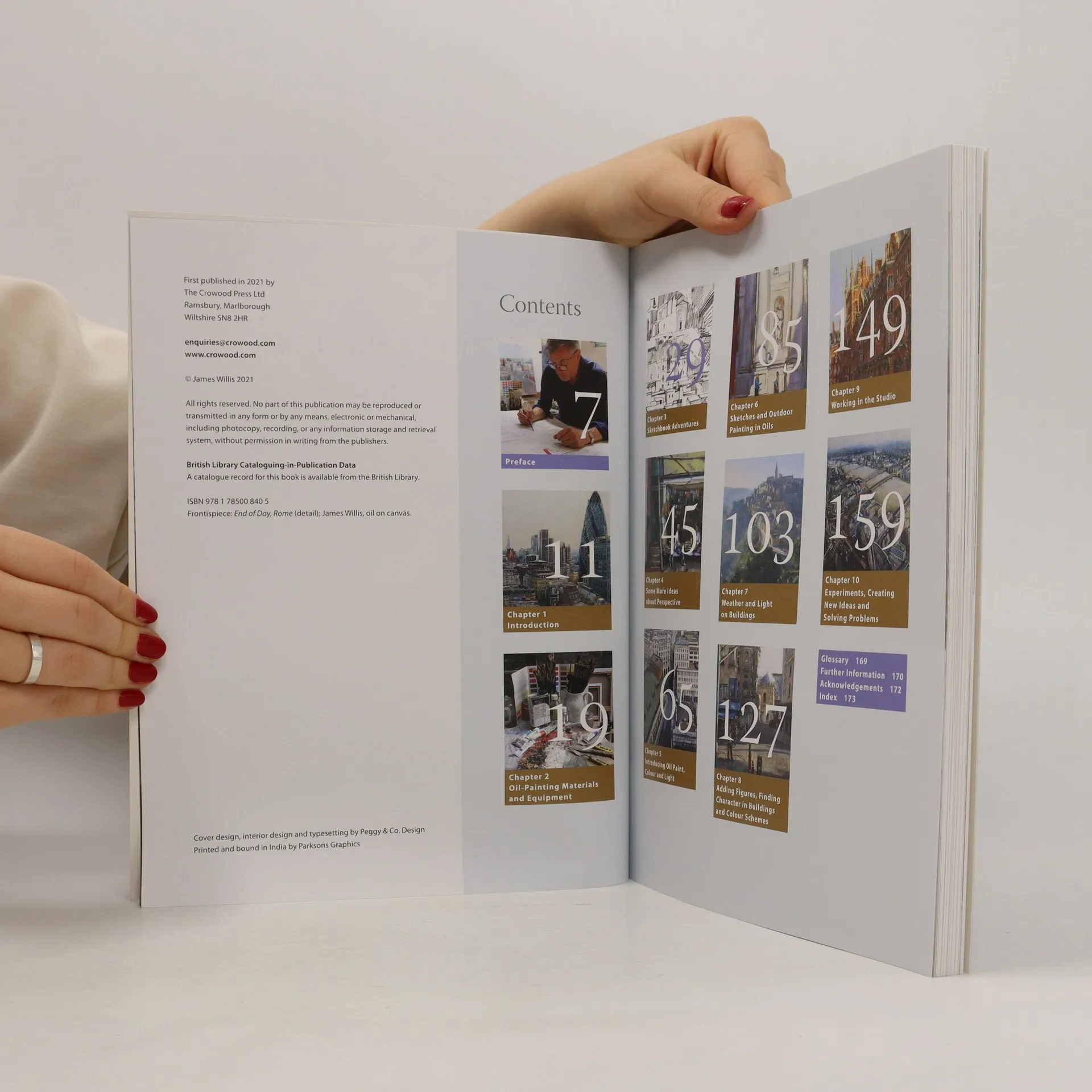
Painting buildings is an exciting and versatile genre - it allows you to enjoy the lines of architecture but also to add feeling and context to a picture. This practical book explains the full depth of the subject, from first sketches to final presentation. Using a range of examples, it is packed with advice and information and follows the riches of painting the built landscape. Not just a handy reference, this is a beautiful and inspirational guide for every artist who wants to capture and interpret a scene. Topics covered include: Drawing - practice observation and sketching to identify the principal lines of view. Perspective - understand three-dimensional structures and their position to each other and in space. Oils - use the versatility of the paint to express and experiment with your ideas. Location - develop your paintings outdoors and in the studio. Style - add figures, weather, and atmosphere to your work to give it character and mood. Inspiration - learn new ideas and themes from finished examples by a number of leading artists.
Een boek kopen
Painting Buildings in Oils, James Willis
- Taal

- Jaar van publicatie
- 2021
- Bindwijze
- (Paperback)
Betaalmethoden
Nog niemand heeft beoordeeld.
- Titel
- Painting Buildings in Oils
- Taal
- Engels
- Auteurs
- James Willis
- Uitgever
- The Crowood Press Ltd
- Jaar van publicatie
- 2021
- Formaat
- Paperback
- Aantal pagina's
- 176
- ISBN10
- 1785008404
- ISBN13
- 9781785008405
- Reeks
- Tags
- Beeldende Kunst
- Aantekening
- Painting buildings is an exciting and versatile genre - it allows you to enjoy the lines of architecture but also to add feeling and context to a picture. This practical book explains the full depth of the subject, from first sketches to final presentation. Using a range of examples, it is packed with advice and information and follows the riches of painting the built landscape. Not just a handy reference, this is a beautiful and inspirational guide for every artist who wants to capture and interpret a scene. Topics covered include: Drawing - practice observation and sketching to identify the principal lines of view. Perspective - understand three-dimensional structures and their position to each other and in space. Oils - use the versatility of the paint to express and experiment with your ideas. Location - develop your paintings outdoors and in the studio. Style - add figures, weather, and atmosphere to your work to give it character and mood. Inspiration - learn new ideas and themes from finished examples by a number of leading artists.