

De favoriet van de lezers is momenteel uitverkocht.


Heb je het in de bibliotheek?Verdien van € 0,85 tot € 1,81 door dit boek te verkopen.
Boeken verkopenMeer over het boek
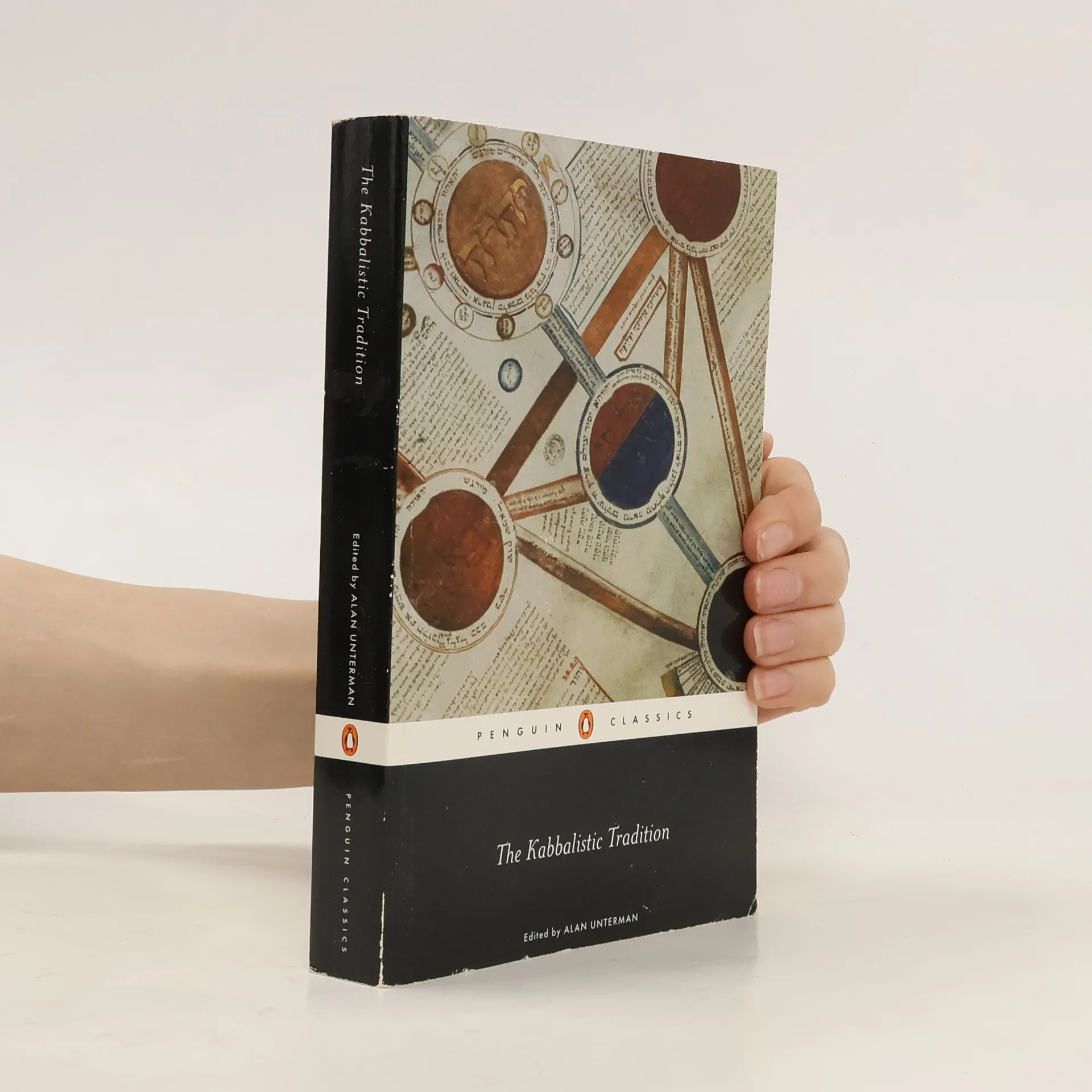
A comprehensive survey of the Jewish mystical tradition An indispensable guide to thousands of years of spiritual inquiry, The Kabbalistic Tradition features writings from a variety of literary forms-from the earliest biblical sources through twentieth-century studies-as well as practical information and practices for the modern reader. These selections concentrate on the three main areas of Kabbalistic creativity-the literature of Zohar, the Lurianic corpus, and the Chasidic mystical tradition. Alan Unterman's enlightening introduction examines the unique characteristics of the Kabbalah and places this volume in its proper historical and philosophical context.
Een boek kopen
The Kabbalistic Tradition, Alan Unterman
- Taal

- Jaar van publicatie
- 2009
- Bindwijze
- (Paperback)
Zodra we het ontdekt hebben, sturen we een e-mail.
Betaalmethoden
3,9
Zeer goed
52 Beoordelingen
We missen je recensie hier.
- Titel
- The Kabbalistic Tradition
- Taal
- Engels
- Auteurs
- Alan Unterman
- Uitgever
- National Geographic
- Jaar van publicatie
- 2009
- Formaat
- Paperback
- Aantal pagina's
- 382
- ISBN10
- 0140437991
- ISBN13
- 9780140437997
- Reeks
- Beoordeling
- 3,85 van 5
- Aantekening
- A comprehensive survey of the Jewish mystical tradition An indispensable guide to thousands of years of spiritual inquiry, The Kabbalistic Tradition features writings from a variety of literary forms-from the earliest biblical sources through twentieth-century studies-as well as practical information and practices for the modern reader. These selections concentrate on the three main areas of Kabbalistic creativity-the literature of Zohar, the Lurianic corpus, and the Chasidic mystical tradition. Alan Unterman's enlightening introduction examines the unique characteristics of the Kabbalah and places this volume in its proper historical and philosophical context.