

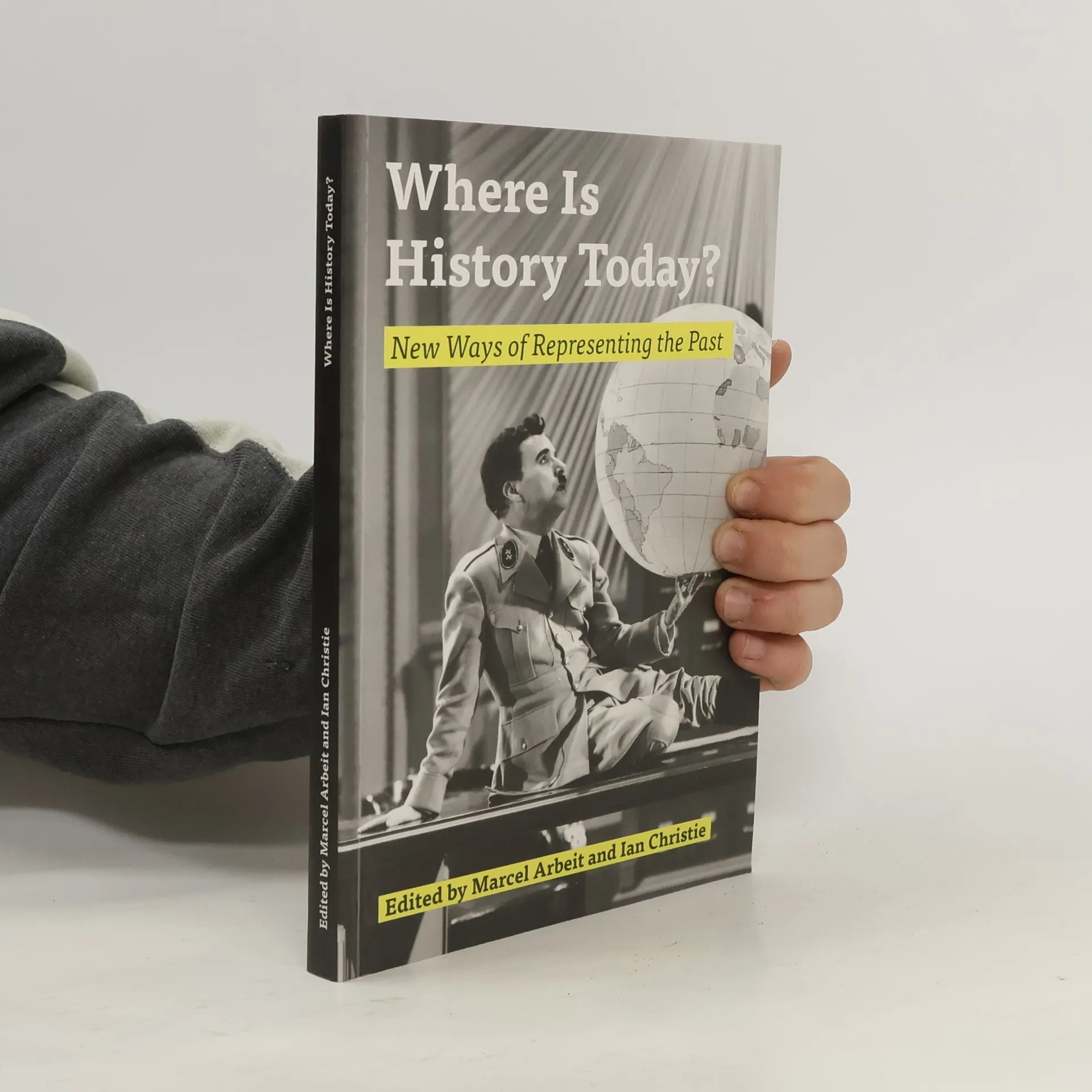
Where is history today? : new ways of representing the past
Auteurs
Meer over het boek
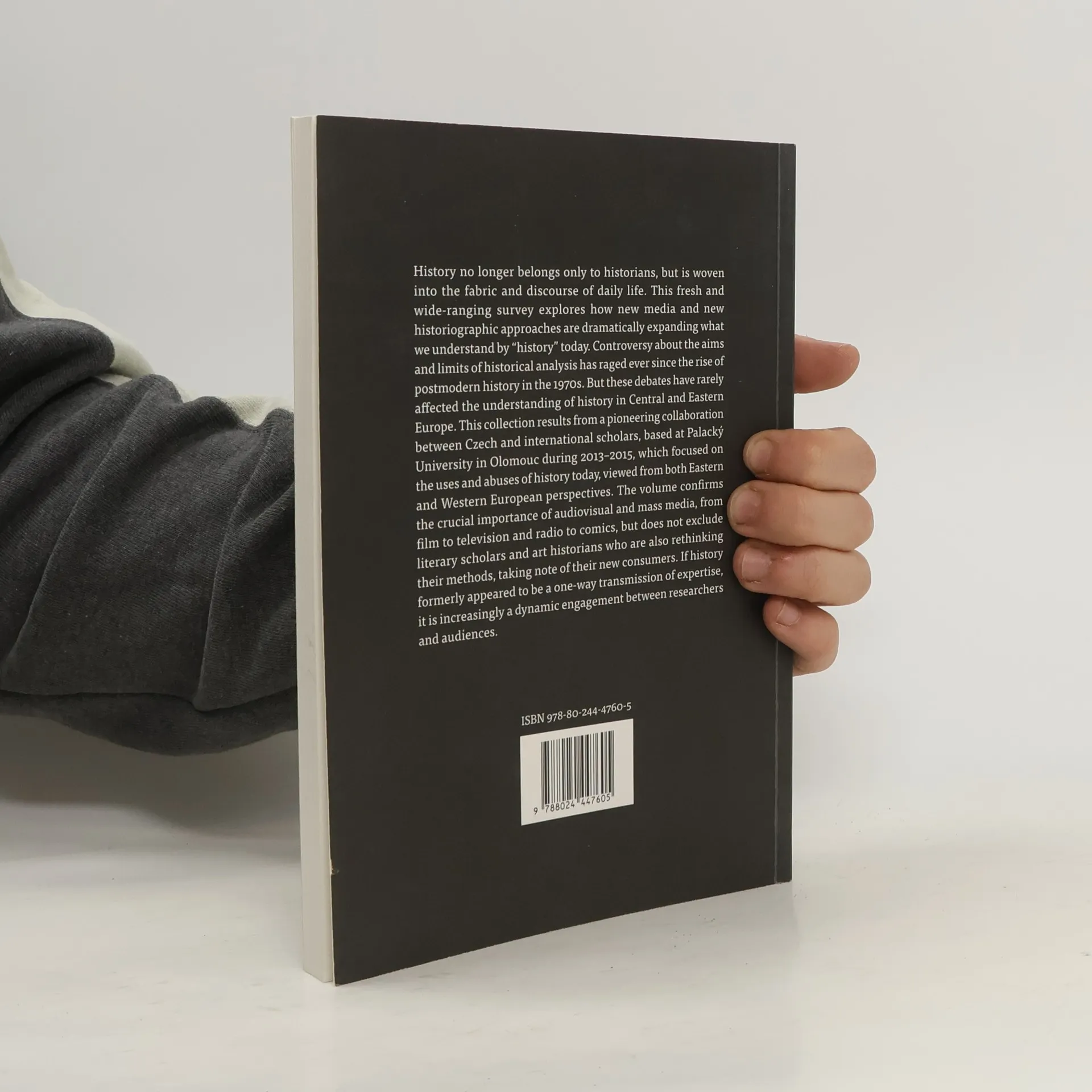
History no longer belongs only to historians, but is woven into the fabric and discourse of daily life. This fresh and wide-ranging survey explores how new media and new historiographic approaches are dramatically expanding what we understand by “history” today. Controversy about the aims and limits of historical analysis has raged ever since the rise of postmodern history in the 1970s. But these debates have rarely affected the understanding of history in Central and Eastern Europe. The volume confirms the crucial importance of audiovisual and mass media, from film to television and radio to comics, but does not exclude literary scholars and art historians who are also rethinking their methods, taking note of their new consumers. If history formerly appeared to be a one-way transmission of expertise, it is increasingly a dynamic engagement between researchers and audiences.
Een boek kopen
Where is history today? : new ways of representing the past, Marcel Arbeit, Ian Christie
- Taal

- Jaar van publicatie
- 2015
Betaalmethoden
Nog niemand heeft beoordeeld.
- Titel
- Where is history today? : new ways of representing the past
- Taal
- Engels
- Auteurs
- Marcel Arbeit, Ian Christie
- Uitgever
- Palacký University Olomouc
- Jaar van publicatie
- 2015
- Aantal pagina's
- 207
- ISBN10
- 8024447606
- ISBN13
- 9788024447605
- Reeks
- Aantekening
- History no longer belongs only to historians, but is woven into the fabric and discourse of daily life. This fresh and wide-ranging survey explores how new media and new historiographic approaches are dramatically expanding what we understand by “history” today. Controversy about the aims and limits of historical analysis has raged ever since the rise of postmodern history in the 1970s. But these debates have rarely affected the understanding of history in Central and Eastern Europe. The volume confirms the crucial importance of audiovisual and mass media, from film to television and radio to comics, but does not exclude literary scholars and art historians who are also rethinking their methods, taking note of their new consumers. If history formerly appeared to be a one-way transmission of expertise, it is increasingly a dynamic engagement between researchers and audiences.