

Meer over het boek
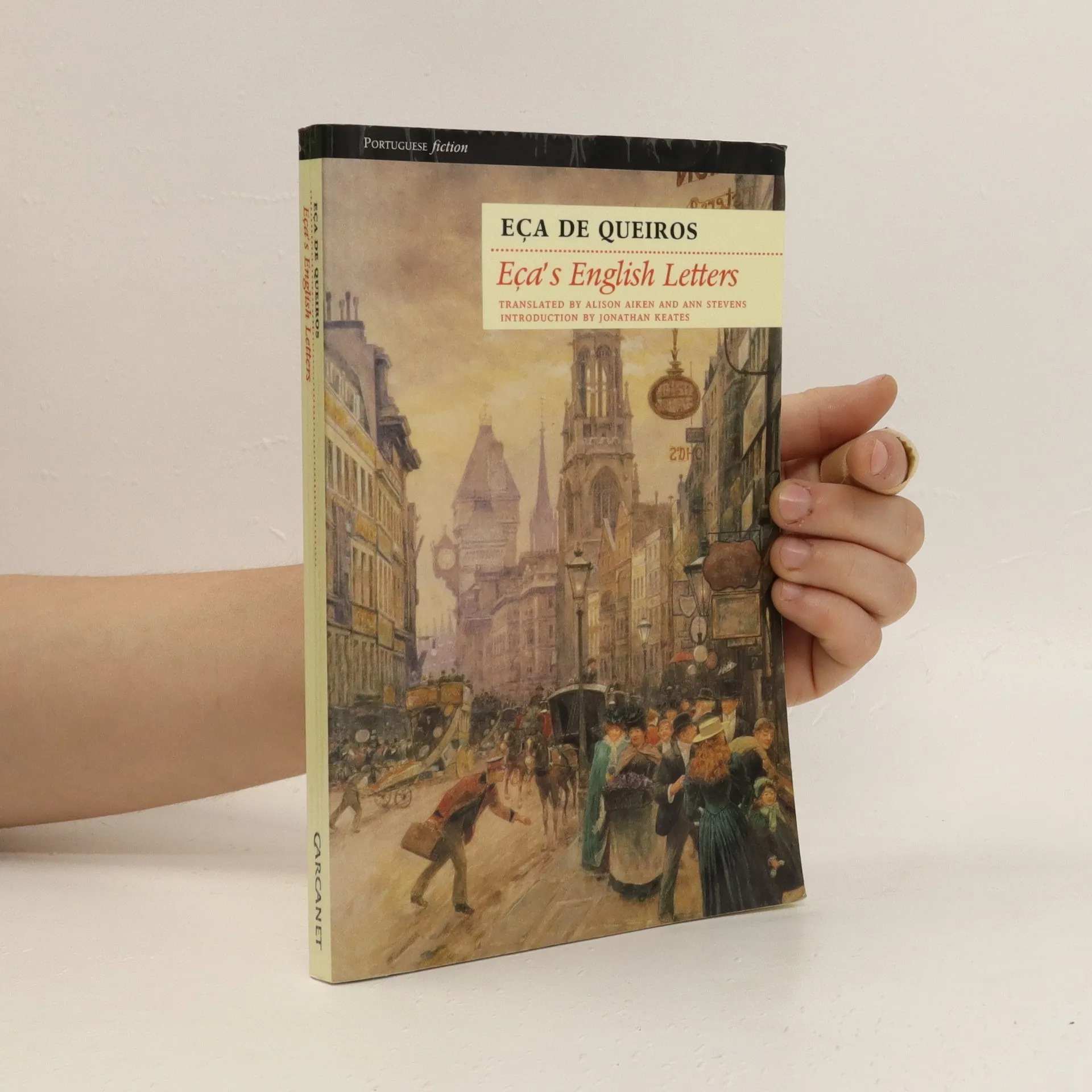
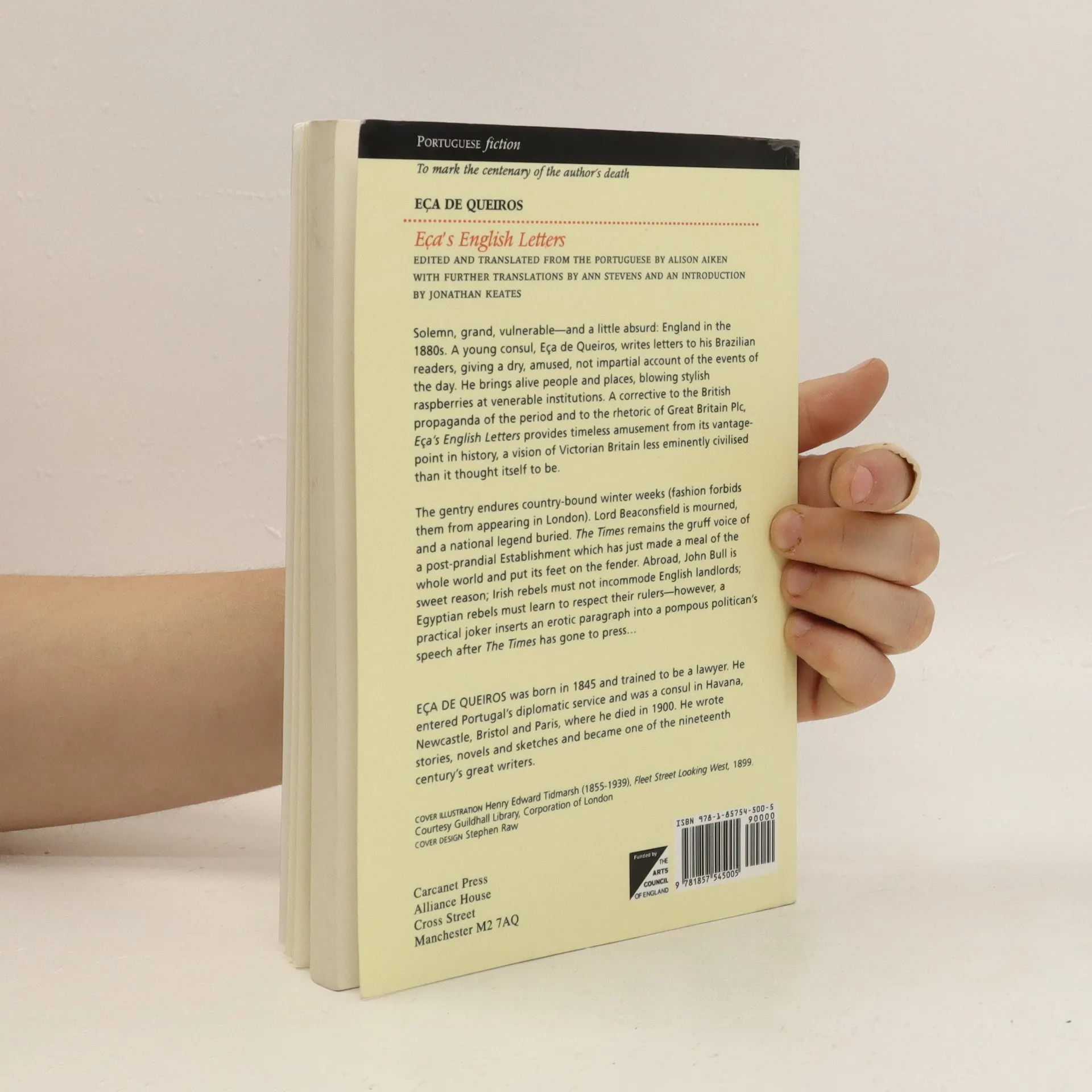
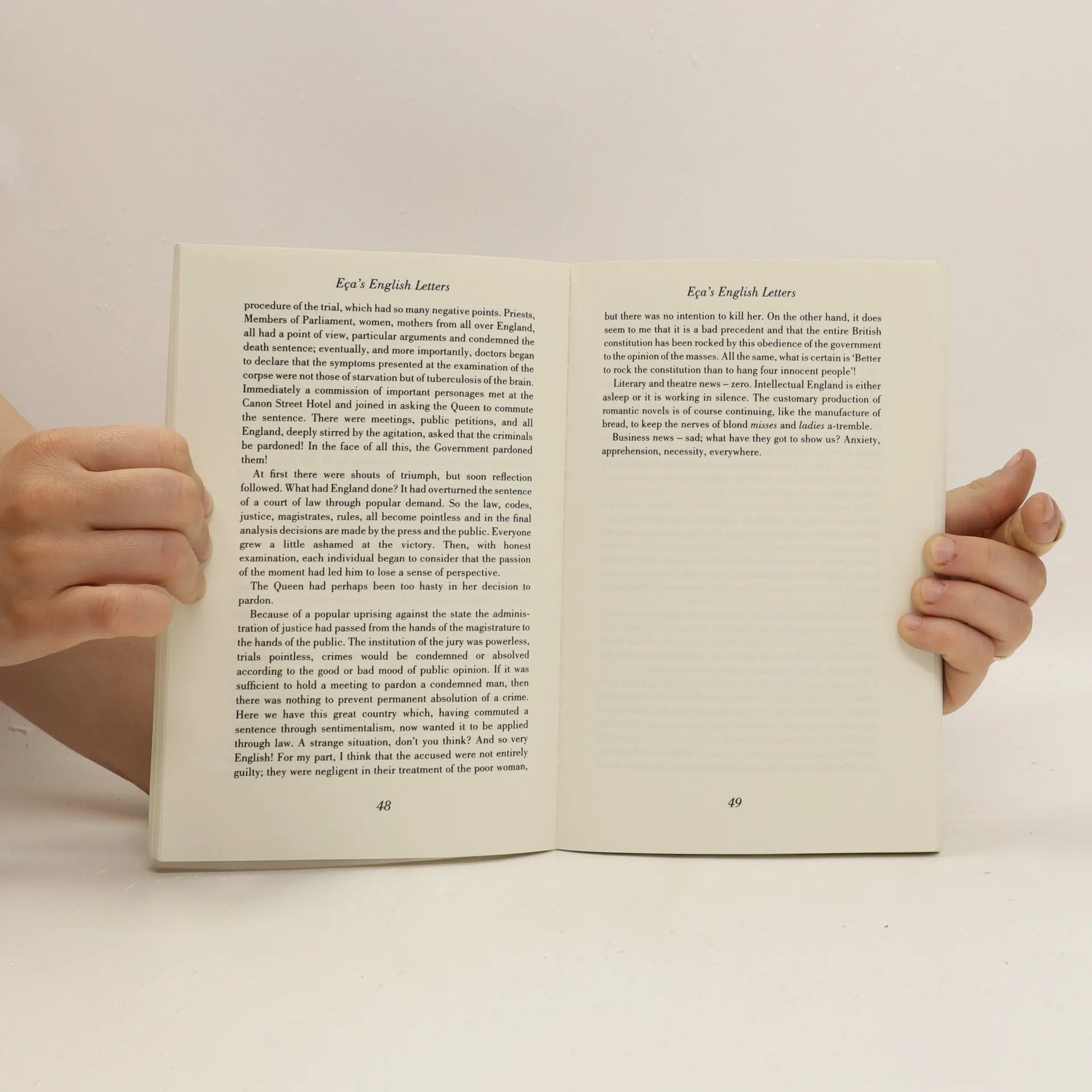
England in the 1880s: the aristocracy stoically endures the tedium of country-bound weeks in winter, when fashion forbids their showing themselves in London. Lord Beaconsfield's death is mourned - and a national myth is buried. The Times remains the watchdog of the English conscience. Abroad, John Bull is sweetly reasonable; Irish rebels must not be allowed to incommode English landlords; Egyptian rebels must by taught to respect their established rulers (and of course, British interests must be safeguarded). Meanwhile, in Newcastle-upon-Tyne, an obscure young Portuguese consul, Eca de Queiros, writes regular letters to his Brazilian readers, giving a dry, gently amused, if not wholly impartial, account of these and other English activities. If his facts are sometimes a shade garbled, ad his irony occasionally cruel, his descriptions of people, places and events are always lively and vigorous. He shows a propoensity for blowing raspberries at our more venerable institutions - the Times he finds incessently amusing - but, read as a corrective to the British propoganda of the period, "Letter from England" provide a vivid glimpse of late-Victorian Britain as an eminently civilized European would have seen it.
Een boek kopen
Eça's English Letters, José Maria Eca de Queiroz
- Taal

- Jaar van publicatie
- 2000
- Bindwijze
- (Paperback)
Betaalmethoden
We missen je recensie hier.
- Titel
- Eça's English Letters
- Taal
- Engels
- Auteurs
- José Maria Eca de Queiroz
- Uitgever
- Carcanet Press
- Jaar van publicatie
- 2000
- Formaat
- Paperback
- Aantal pagina's
- 208
- ISBN10
- 1857545001
- ISBN13
- 9781857545005
- Reeks
- Categorieën
- Beoordeling
- 3,5 van 5
- Aantekening
- England in the 1880s: the aristocracy stoically endures the tedium of country-bound weeks in winter, when fashion forbids their showing themselves in London. Lord Beaconsfield's death is mourned - and a national myth is buried. The Times remains the watchdog of the English conscience. Abroad, John Bull is sweetly reasonable; Irish rebels must not be allowed to incommode English landlords; Egyptian rebels must by taught to respect their established rulers (and of course, British interests must be safeguarded). Meanwhile, in Newcastle-upon-Tyne, an obscure young Portuguese consul, Eca de Queiros, writes regular letters to his Brazilian readers, giving a dry, gently amused, if not wholly impartial, account of these and other English activities. If his facts are sometimes a shade garbled, ad his irony occasionally cruel, his descriptions of people, places and events are always lively and vigorous. He shows a propoensity for blowing raspberries at our more venerable institutions - the Times he finds incessently amusing - but, read as a corrective to the British propoganda of the period, "Letter from England" provide a vivid glimpse of late-Victorian Britain as an eminently civilized European would have seen it.