

Parameters
Meer over het boek
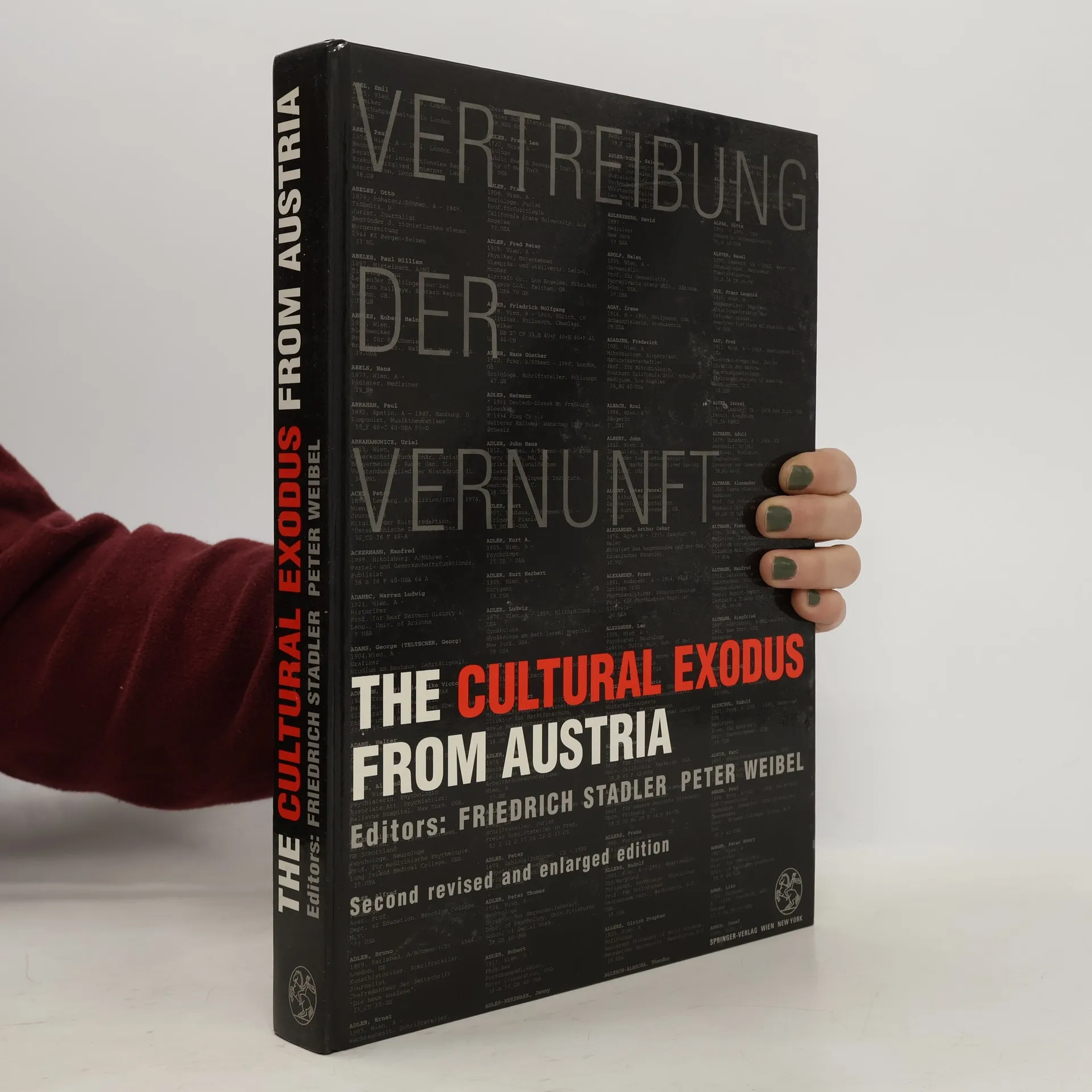
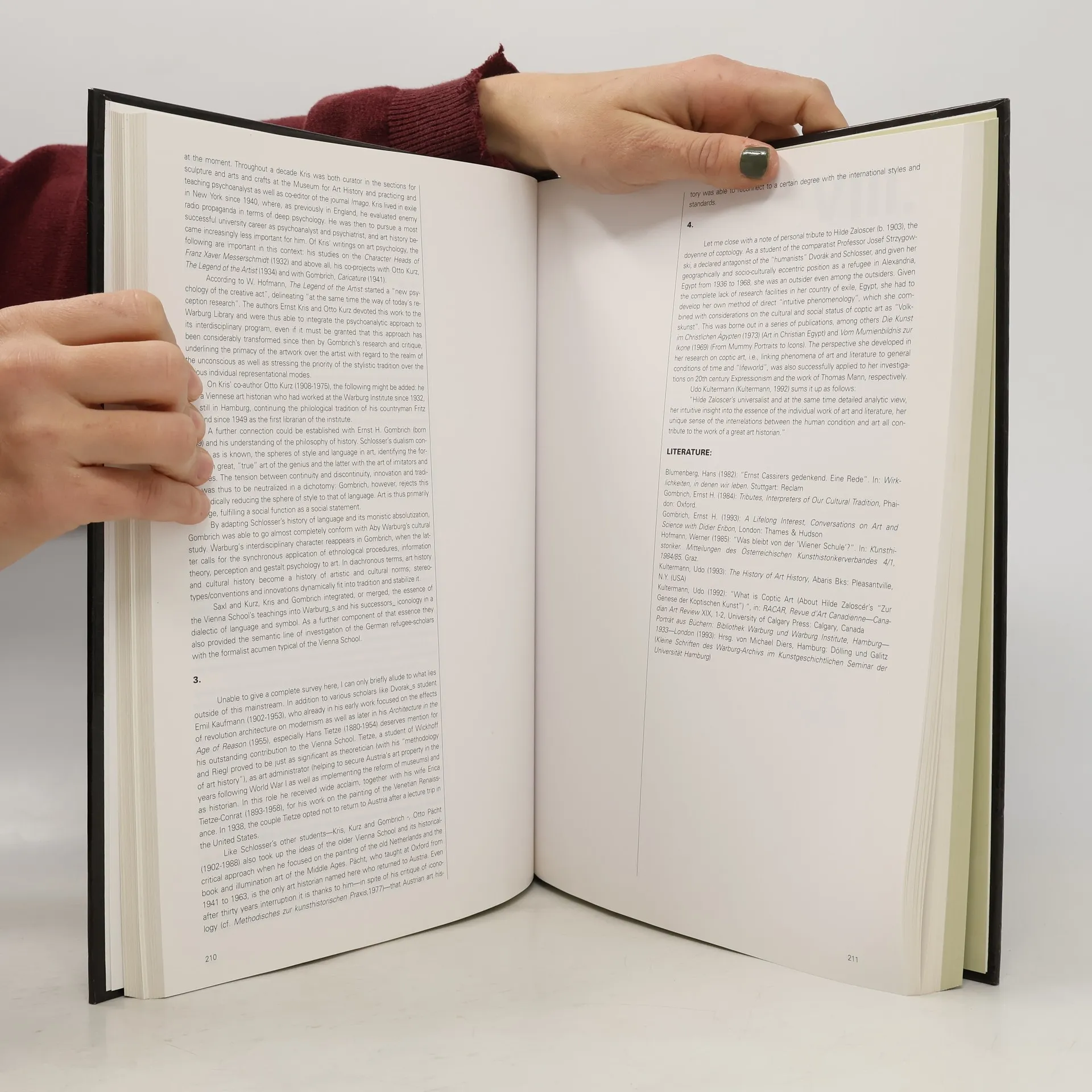
The first part of this book documents Austrian exile and emigration research on "displaced reason and art" in English. Contributions discuss the cultural exodus (science, literature, film, theater, music, architecture, and visual arts) during the era of fascism and National Socialism, addressing the intellectual loss caused by displacement and destruction, with effects felt to the present day, exploring the tension between continuity and rupture. Research contributions from predominantly younger Austrian scholars are enriched by (auto)biographical texts from now-prominent displaced Austrians and representatives of the resistance. The second, documentary part includes around 4,000 short biographies of Austrian cultural emigration in the form of five databases (science, literature, film/theater, music, visual arts/architecture) as well as a comprehensive documentation of Austrian exile journals (1933-1945). This publication serves as a richly illustrated reading and resource book on the cultural exodus from Austria, with relevance to Austria's current role as a (re)emigration and immigration country after the "turn of 1989/90."
Een boek kopen
Vertreibung der Vernunft, Friedrich Stadler
- Taal

- Jaar van publicatie
- 1995
- Bindwijze
- (Hardcover)
Betaalmethoden
We missen je recensie hier.
- Titel
- Vertreibung der Vernunft
- Taal
- Engels
- Auteurs
- Friedrich Stadler
- Uitgever
- Springer
- Jaar van publicatie
- 1995
- Formaat
- Hardcover
- ISBN10
- 3211826939
- ISBN13
- 9783211826935
- Reeks
- Tags
- Historisch thema
- Beoordeling
- 5 van 5
- Aantekening
- The first part of this book documents Austrian exile and emigration research on "displaced reason and art" in English. Contributions discuss the cultural exodus (science, literature, film, theater, music, architecture, and visual arts) during the era of fascism and National Socialism, addressing the intellectual loss caused by displacement and destruction, with effects felt to the present day, exploring the tension between continuity and rupture. Research contributions from predominantly younger Austrian scholars are enriched by (auto)biographical texts from now-prominent displaced Austrians and representatives of the resistance. The second, documentary part includes around 4,000 short biographies of Austrian cultural emigration in the form of five databases (science, literature, film/theater, music, visual arts/architecture) as well as a comprehensive documentation of Austrian exile journals (1933-1945). This publication serves as a richly illustrated reading and resource book on the cultural exodus from Austria, with relevance to Austria's current role as a (re)emigration and immigration country after the "turn of 1989/90."