

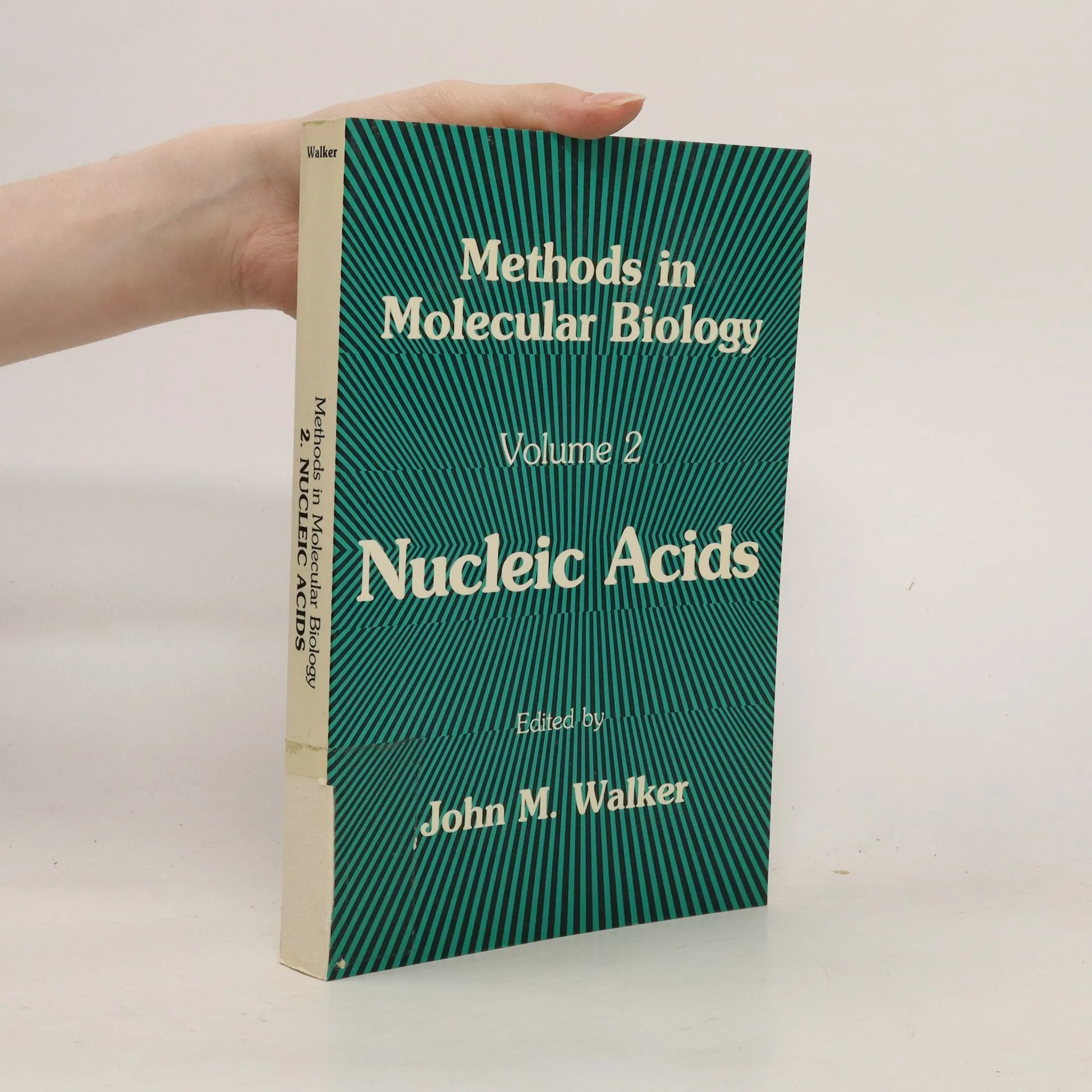
Methods in Molecular Biology. Volume 2. Nucleic Acids
Auteurs
Meer over het boek
In recent years there has been a tremendous increase in our understanding of the functioning of the cell at the molecular level. This has been achieved in the main by the invention and development of new methodology, parti- larly in that area generally referred to as "'genetic en- neering". While this revolution has been taking place in the field of nucleic acids research, the protein chemist has at the same time developed fresh methodology to keep pace with the requirements of present day molecular bi- ogy. Today's molecular biologist can no longer be content with being an expert in one particular area alone. He/she needs to be equally competent in the laboratory at h- dling DNA, RNA, and proteins, moving from one area to another as required by the problem he/she is trying to solve. Although many of the new techniques in molecular biology are relatively easy to master, it is often difficult for a researcher to obtain all the relevant information nec- sary for setting up and successfully applying a new te- nique. Information is of course available in the research l- erature, but this often lacks the depth of description that the new user requires. This requirement for in-depth pr- tical details has become apparent by the considerable - mand for places on our Molecular Biology Workshops held at Hatfield each summer.
Een boek kopen
Methods in Molecular Biology. Volume 2. Nucleic Acids, John M. Walker
- Taal

- Jaar van publicatie
- 1984
- Bindwijze
- (Paperback)
Betaalmethoden
Nog niemand heeft beoordeeld.
- Titel
- Methods in Molecular Biology. Volume 2. Nucleic Acids
- Taal
- Engels
- Auteurs
- John M. Walker
- Jaar van publicatie
- 1984
- Formaat
- Paperback
- Aantal pagina's
- 379
- ISBN10
- 0896030628
- ISBN13
- 9780896030626
- Reeks
- Categorieën
- Aantekening
- In recent years there has been a tremendous increase in our understanding of the functioning of the cell at the molecular level. This has been achieved in the main by the invention and development of new methodology, parti- larly in that area generally referred to as "'genetic en- neering". While this revolution has been taking place in the field of nucleic acids research, the protein chemist has at the same time developed fresh methodology to keep pace with the requirements of present day molecular bi- ogy. Today's molecular biologist can no longer be content with being an expert in one particular area alone. He/she needs to be equally competent in the laboratory at h- dling DNA, RNA, and proteins, moving from one area to another as required by the problem he/she is trying to solve. Although many of the new techniques in molecular biology are relatively easy to master, it is often difficult for a researcher to obtain all the relevant information nec- sary for setting up and successfully applying a new te- nique. Information is of course available in the research l- erature, but this often lacks the depth of description that the new user requires. This requirement for in-depth pr- tical details has become apparent by the considerable - mand for places on our Molecular Biology Workshops held at Hatfield each summer.