




Meer over het boek
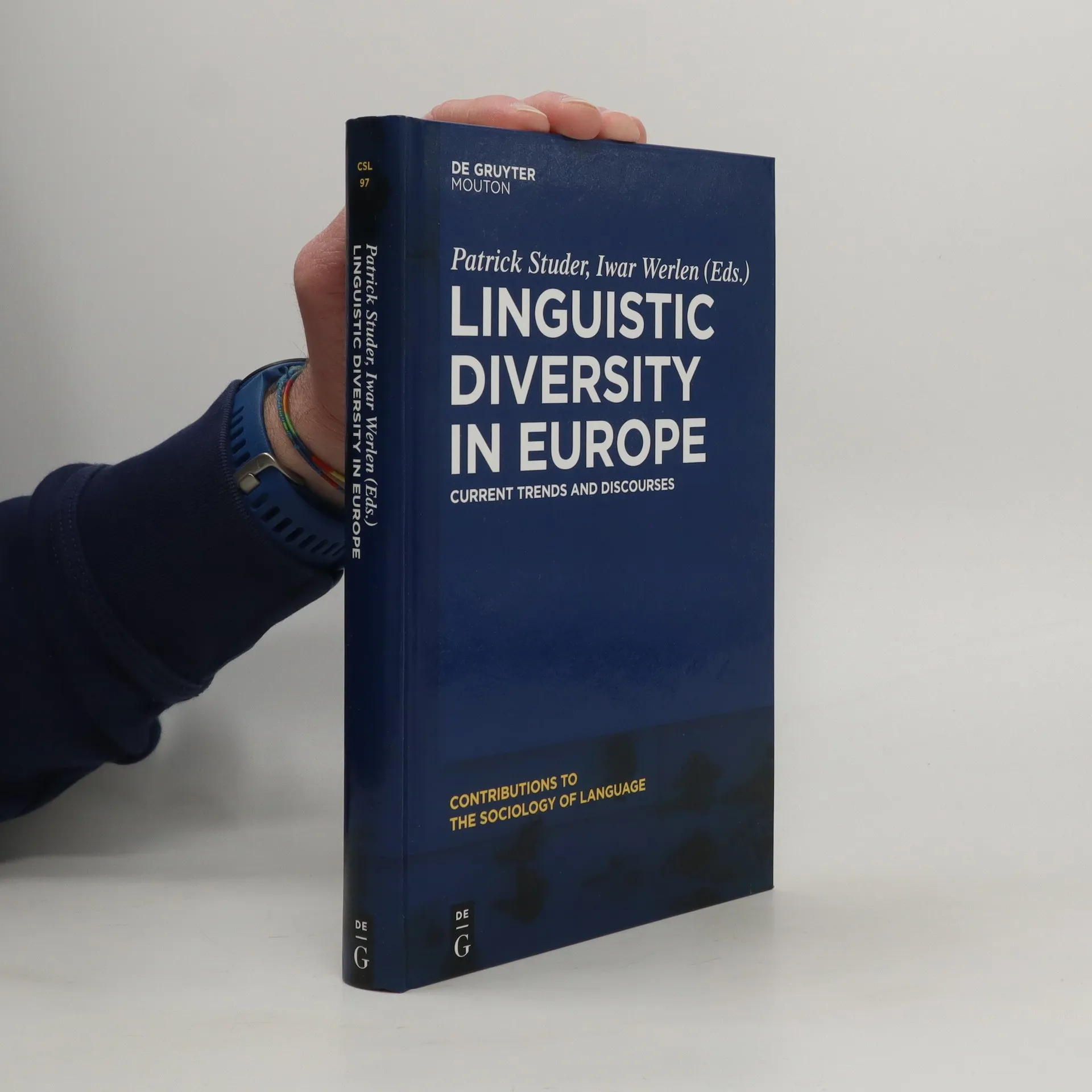
This book, which emerges in the context of the European research network LINEE (Languages in a Network of European Excellence), is concerned with European multilingualism both as a political concept and as a social reality. It features cutting-edge studies by linguists and anthropologists who perceive multilingualism as a discursive phenomenon which can be revealed and analyzed through empirical fieldwork. The book presents a fresh perspective of European multilingualism as it takes the reader through key themes of social consciousness – identity, policy, education, economy – and relevant societal levels of organization (European, national, regional). With its distinct focus on post-national society caught in unifying as well as diversifying socio-political currents, the volume problematizes emerging contradictions inherent in the idea of a Europe beyond the nation state –between speech minorities and majorities, economic realities, or socio-political ideologies.
Een boek kopen
Linguistic diversity in Europe current trends and discourses, Patrick Studer, Iwar Werlen
- Taal

- Jaar van publicatie
- 2012
- Bindwijze
- (Hardcover)
Betaalmethoden
Nog niemand heeft beoordeeld.
- Titel
- Linguistic diversity in Europe current trends and discourses
- Taal
- Engels
- Auteurs
- Patrick Studer, Iwar Werlen
- Uitgever
- De Gruyter Mouton
- Jaar van publicatie
- 2012
- Formaat
- Hardcover
- Aantal pagina's
- 349
- ISBN10
- 3110270838
- ISBN13
- 9783110270839
- Reeks
- Categorieën
- Tags
- Wereldliteratuur
- Aantekening
- This book, which emerges in the context of the European research network LINEE (Languages in a Network of European Excellence), is concerned with European multilingualism both as a political concept and as a social reality. It features cutting-edge studies by linguists and anthropologists who perceive multilingualism as a discursive phenomenon which can be revealed and analyzed through empirical fieldwork. The book presents a fresh perspective of European multilingualism as it takes the reader through key themes of social consciousness – identity, policy, education, economy – and relevant societal levels of organization (European, national, regional). With its distinct focus on post-national society caught in unifying as well as diversifying socio-political currents, the volume problematizes emerging contradictions inherent in the idea of a Europe beyond the nation state –between speech minorities and majorities, economic realities, or socio-political ideologies.