

Meer over het boek
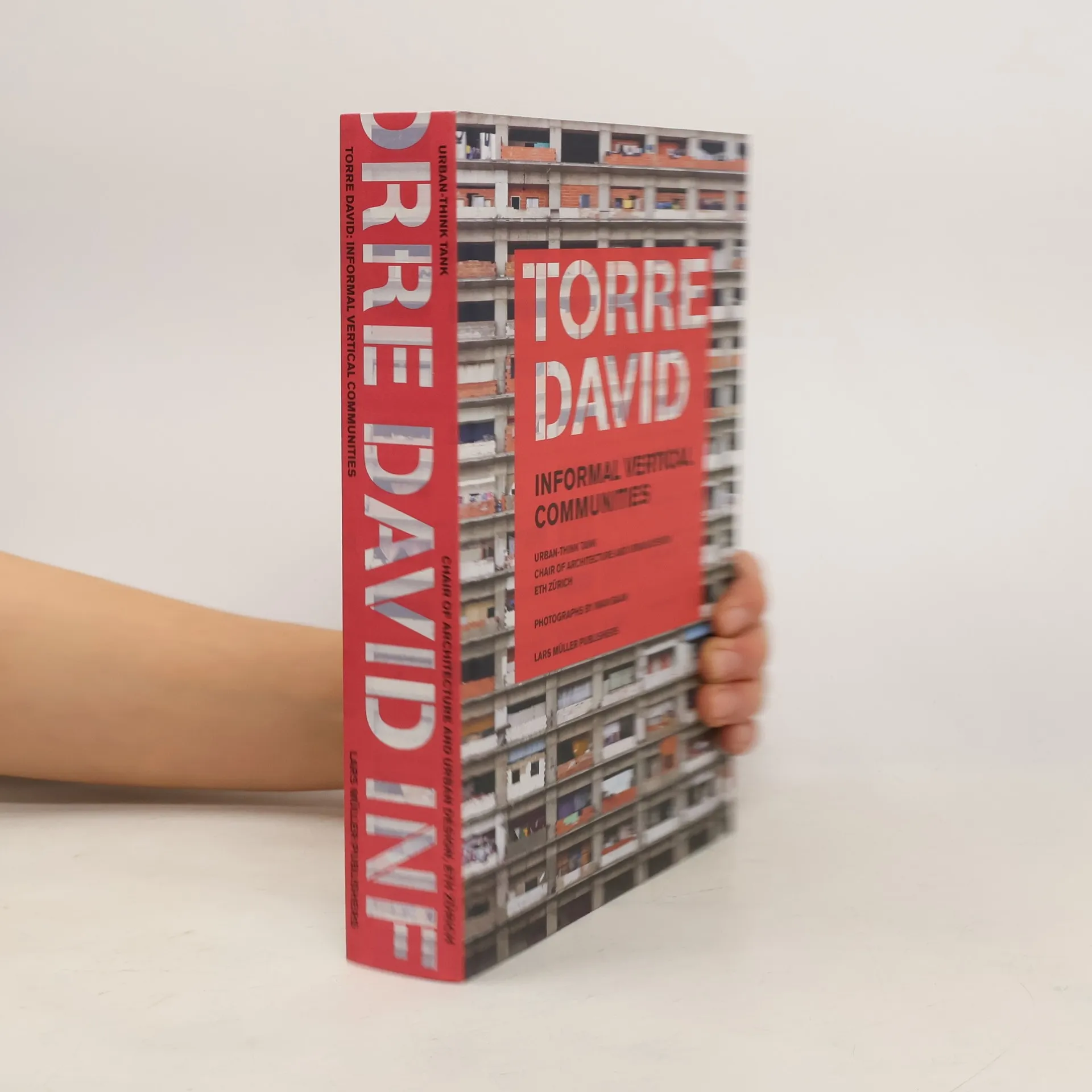
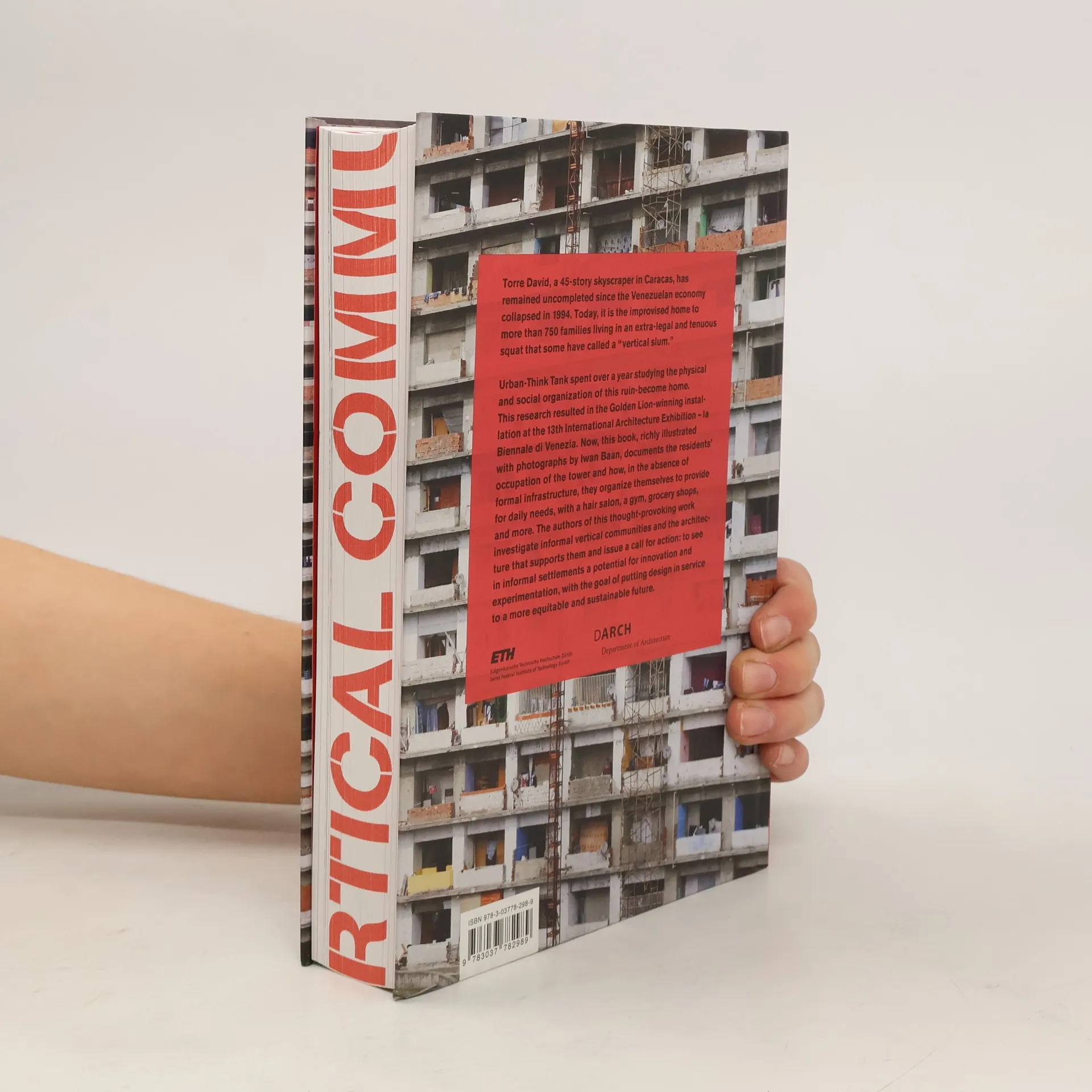
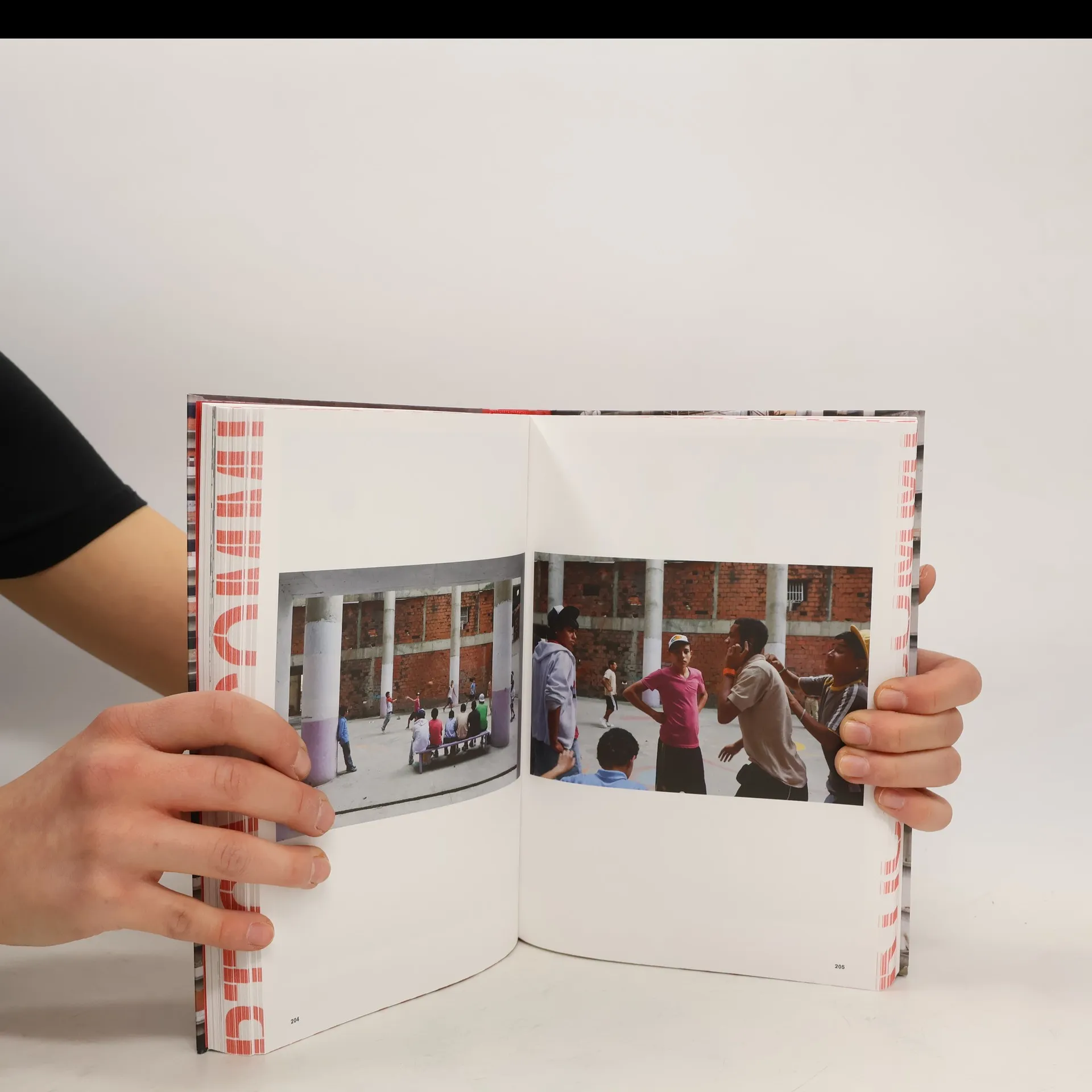
Torre David, a 45-story skyscraper in Caracas, has remained uncompleted since the Venezuelan economy collapsed in 1994. Today, it is the improvised home to more than 750 families living in an extra-legal and tenuous squat, that some have called a "vertical slum." Urban-Think Tank, the authors of TORRE DAVID: INFORMAL VERTICAL COMMUNITIES, spent a year studying the physical and social organization of this ruin-become home. Richly illustrated with photographs by Iwan Baan, the book documents the residents' occupation of the tower and how, in the absence of formal infrastructure, they organize themselves to provide for daily needs, with a hair salon, a gym, grocery shops, and more. The authors of this thought-provoking work investigate informal vertical communities and the architecture that supports them and issue a call for action: to see in informal settlements a potential for innovation and experimentation, with the goal of putting design in service to a more equitable and sustainable future. ILLUSTRATIONS: 300
Een boek kopen
Torre David : informal vertical communities, Auteurscollectief
- Taal

- Jaar van publicatie
- 2013
- Bindwijze
- (Hardcover)
Betaalmethoden
Nog niemand heeft beoordeeld.
- Titel
- Torre David : informal vertical communities
- Taal
- Engels
- Auteurs
- Auteurscollectief
- Uitgever
- Lars Müller Publishers
- Jaar van publicatie
- 2013
- Formaat
- Hardcover
- Aantal pagina's
- 415
- ISBN10
- 3037782986
- ISBN13
- 9783037782989
- Reeks
- Tags
- Architectuur
- Aantekening
- Torre David, a 45-story skyscraper in Caracas, has remained uncompleted since the Venezuelan economy collapsed in 1994. Today, it is the improvised home to more than 750 families living in an extra-legal and tenuous squat, that some have called a "vertical slum." Urban-Think Tank, the authors of TORRE DAVID: INFORMAL VERTICAL COMMUNITIES, spent a year studying the physical and social organization of this ruin-become home. Richly illustrated with photographs by Iwan Baan, the book documents the residents' occupation of the tower and how, in the absence of formal infrastructure, they organize themselves to provide for daily needs, with a hair salon, a gym, grocery shops, and more. The authors of this thought-provoking work investigate informal vertical communities and the architecture that supports them and issue a call for action: to see in informal settlements a potential for innovation and experimentation, with the goal of putting design in service to a more equitable and sustainable future. ILLUSTRATIONS: 300