


Meer over het boek
This book is a descent into the underworld of the city, into its dark depths and grim spaces. For the city, which seeks order and light, is nothing but mud and dead ends. The archives of justice recorded by the presidents of the Seine assize court between 1817 and 1885 testify to this extensively. In the 19th century, Paris is pale and the bodies are emaciated. The slum occupies medical and philanthropic literature, but also novelists: how to understand Fourier without reading The Mysteries of Paris by Eugène Sue, In Family by Hector Malot, or The Work by Zola? Who are these Parisians in the 19th century? Tourangeaux, Limousins, Auvergnats, they are provincials drawn in concentric circles to the capital, where they come to sell their labor or, for women, to hide the fruit of their shame. But these Parisians are also Lombards, Polish Jews driven away by the Russian occupation, or thieving gypsies... With them come the bistros, the balls, the places of pleasure and vice, the rooms with creaky floorboards... The "crimes," and thus the "criminals," will arise from this little people. A whole material that allows Yves Lemoine, magistrate and historian, to present a subtle and captivating history of crime in Paris in the 19th century.
Een boek kopen
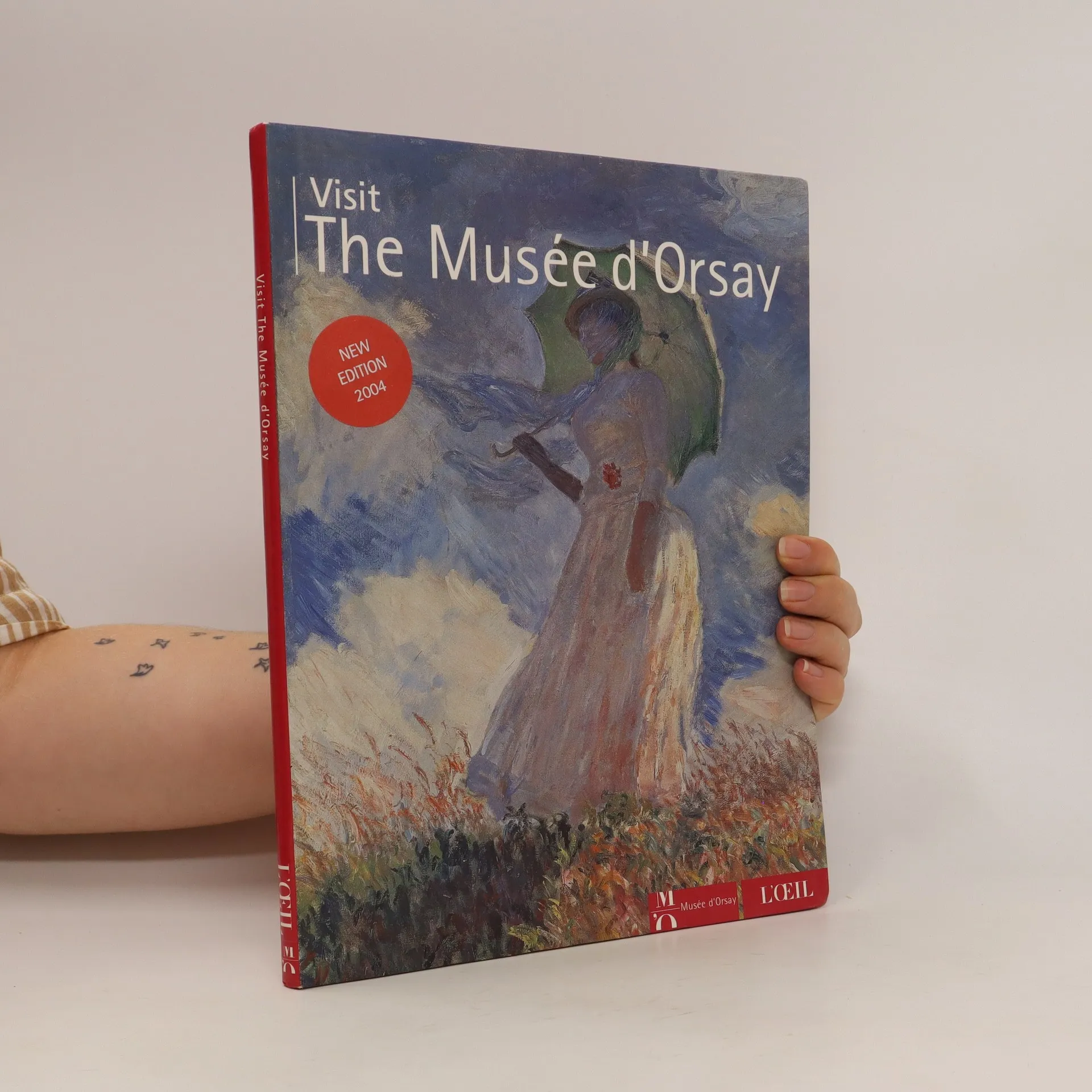
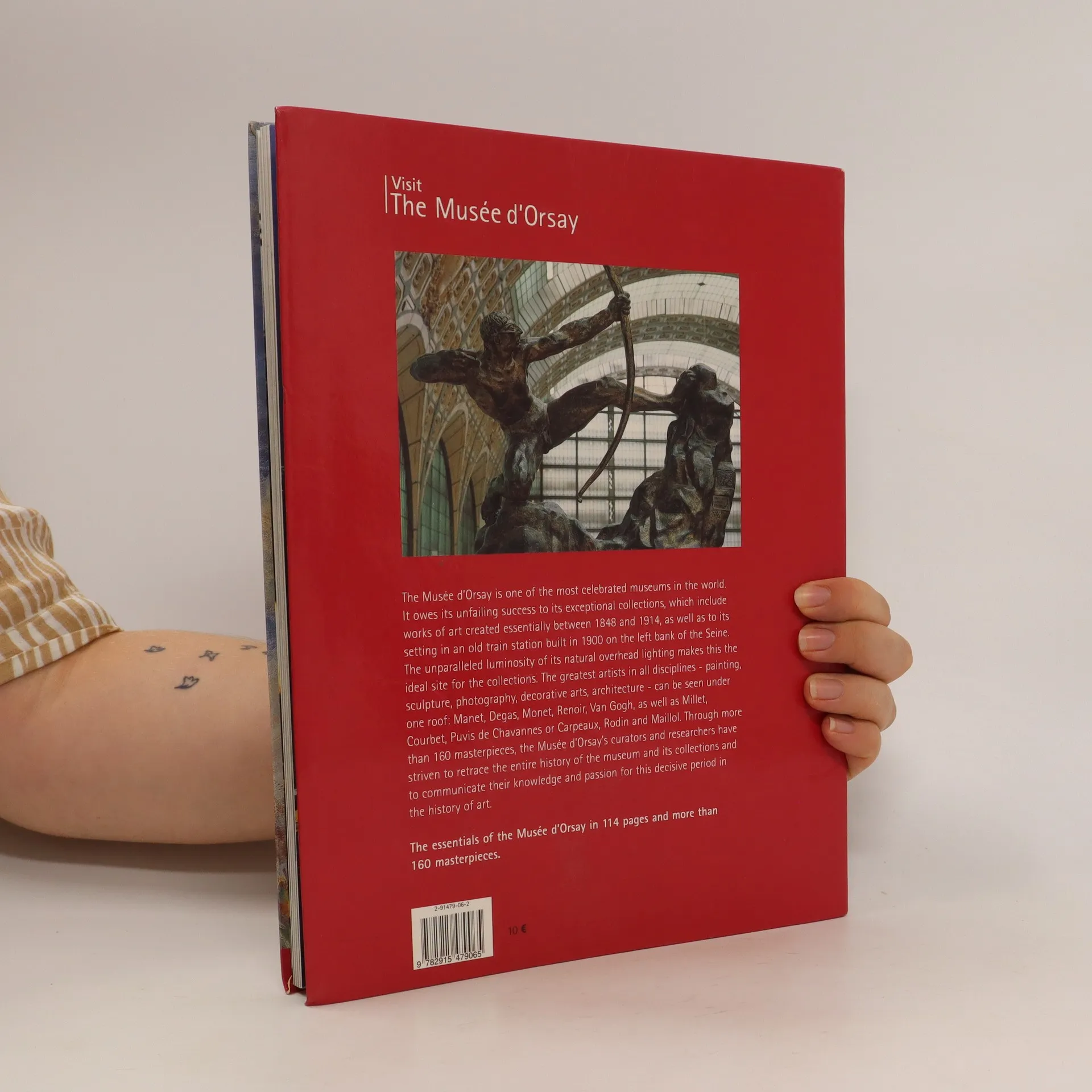
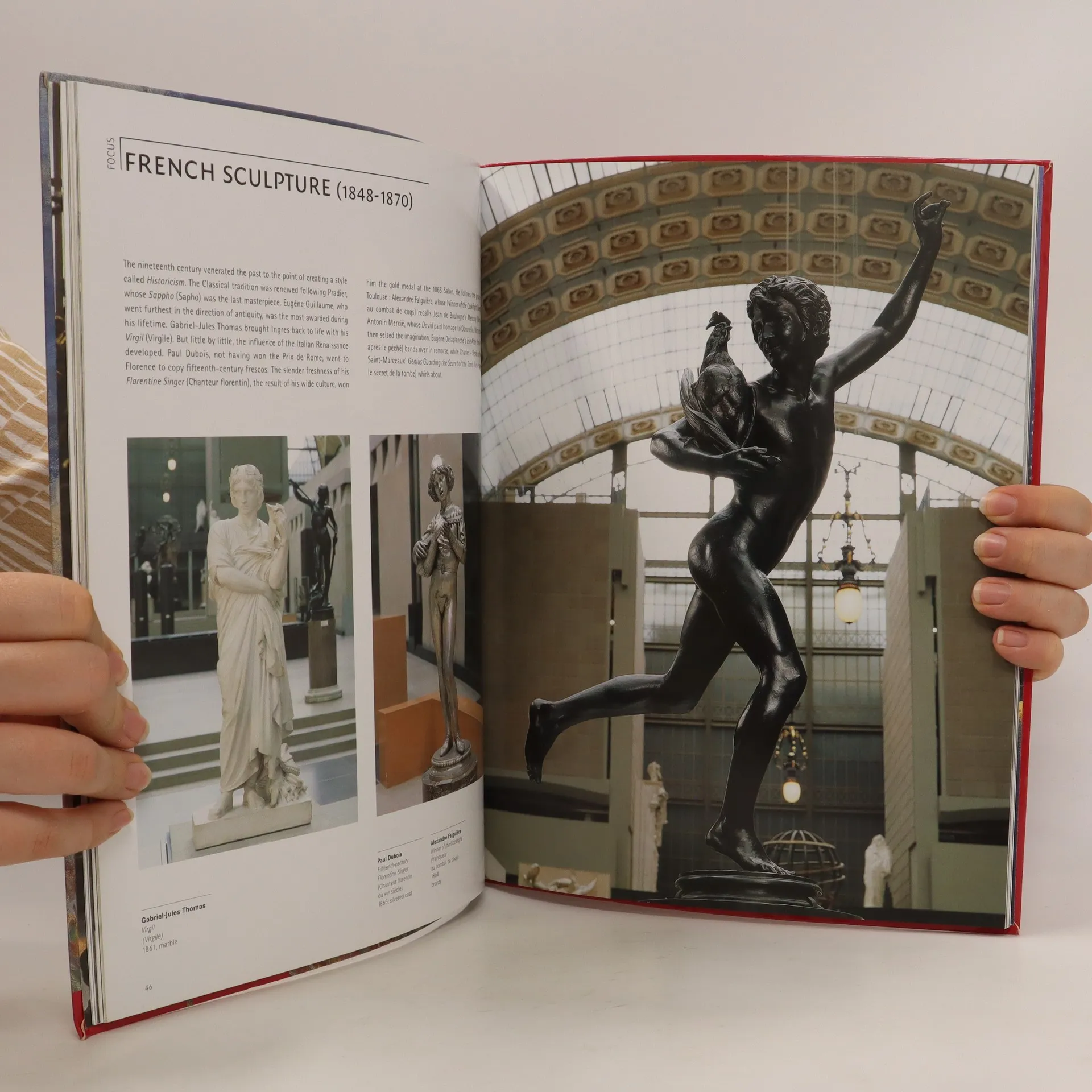
Visit the Musée d'Orsay, Auteurscollectief
- Taal

- Jaar van publicatie
- 2004
- Bindwijze
- (Paperback)
Betaalmethoden
We missen je recensie hier.
- Titel
- Visit the Musée d'Orsay
- Taal
- Engels
- Auteurs
- Auteurscollectief
- Uitgever
- Musée d'Orsay
- Jaar van publicatie
- 2004
- Formaat
- Paperback
- Aantal pagina's
- 112
- ISBN10
- 2915479062
- ISBN13
- 9782915479065
- Reeks
- Tags
- Beeldende Kunst, Kunst
- Beoordeling
- 5 van 5
- Aantekening
- This book is a descent into the underworld of the city, into its dark depths and grim spaces. For the city, which seeks order and light, is nothing but mud and dead ends. The archives of justice recorded by the presidents of the Seine assize court between 1817 and 1885 testify to this extensively. In the 19th century, Paris is pale and the bodies are emaciated. The slum occupies medical and philanthropic literature, but also novelists: how to understand Fourier without reading The Mysteries of Paris by Eugène Sue, In Family by Hector Malot, or The Work by Zola? Who are these Parisians in the 19th century? Tourangeaux, Limousins, Auvergnats, they are provincials drawn in concentric circles to the capital, where they come to sell their labor or, for women, to hide the fruit of their shame. But these Parisians are also Lombards, Polish Jews driven away by the Russian occupation, or thieving gypsies... With them come the bistros, the balls, the places of pleasure and vice, the rooms with creaky floorboards... The "crimes," and thus the "criminals," will arise from this little people. A whole material that allows Yves Lemoine, magistrate and historian, to present a subtle and captivating history of crime in Paris in the 19th century.