

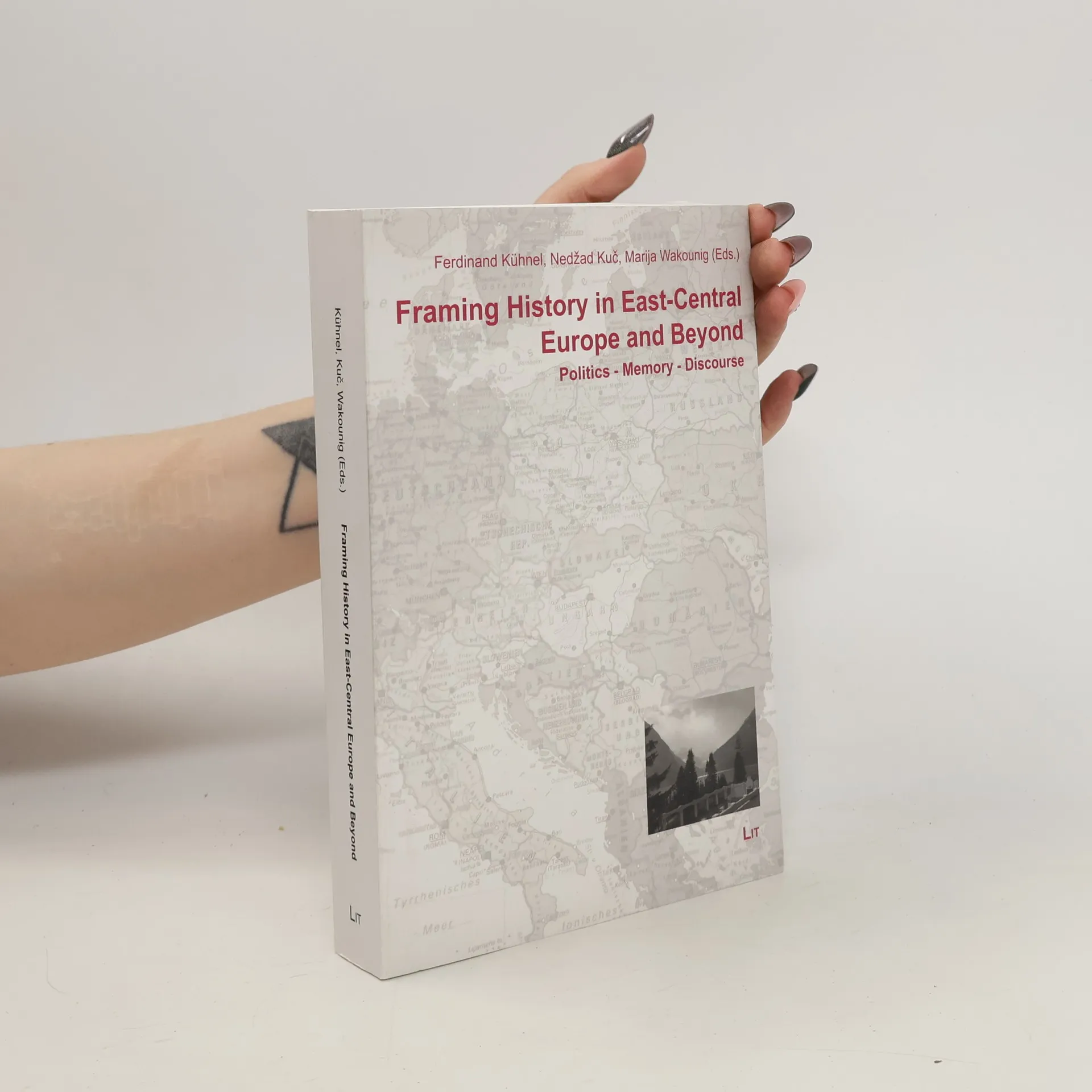
Framing History in East-Central Europe and Beyond
Politics - Memory - Discourse
Parameters
Meer over het boek
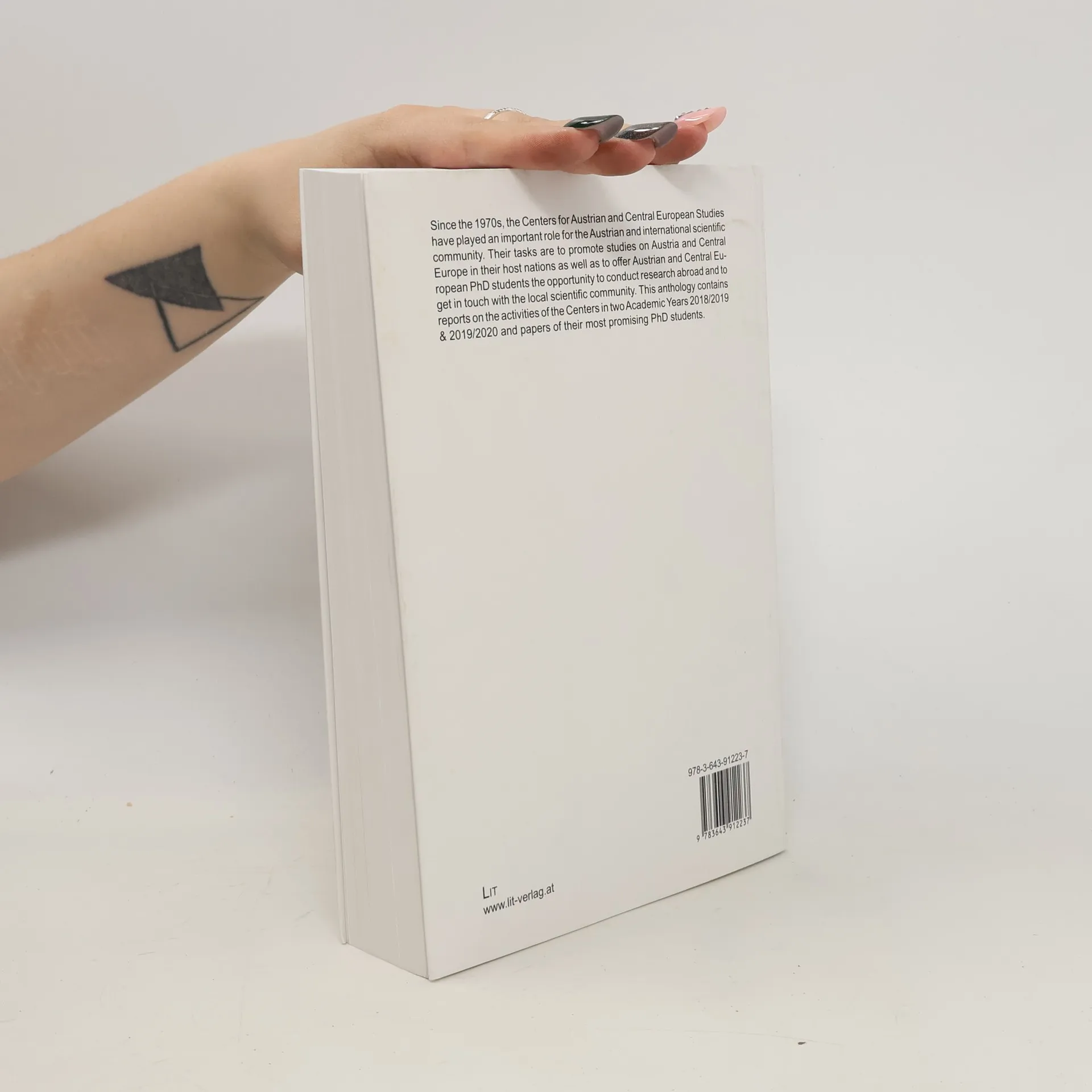
During the 1970s todays Austrian Federal Ministry of Education, Science and Research (Bundesministerium für Bildung, Wissenschaft und Forschung, BMBWF) supported the founding of the Center for Austrian Studies at the University of Minnesota in Minneapolis and the Austrian Chair at Stanford University in California. These foundings were the initial incentives for the worldwide `spreading' of similar institutions; currently, nine Centers for Austrian and Central European Studies exist in seven countries on three continents. The funding of the Ministry enables to connect senior scholars with young scholars, to help young PhD students, to participate in and to benefit from the scientific connection of experienced researchers, and to get in touch with the national scientific community by `sniffing scientific air', as the Austrians like to say. Furthermore, it aims to avoid prejudices, and to spread a better understanding and knowledge about Austria and Central Europe by promoting scientific exchange.
Een boek kopen
Framing History in East-Central Europe and Beyond, Marija Wakounig, Ferdinand Kühnel, Nedžad Kuč
- Taal

- Jaar van publicatie
- 2022
- Bindwijze
- (Paperback)
Betaalmethoden
Nog niemand heeft beoordeeld.
- Titel
- Framing History in East-Central Europe and Beyond
- Ondertitel
- Politics - Memory - Discourse
- Taal
- Engels
- Auteurs
- Marija Wakounig, Ferdinand Kühnel, Nedžad Kuč
- Uitgever
- LIT Verlag
- Jaar van publicatie
- 2022
- Formaat
- Paperback
- ISBN10
- 3643912234
- ISBN13
- 9783643912237
- Reeks
- Tags
- Historisch thema
- Aantekening
- During the 1970s todays Austrian Federal Ministry of Education, Science and Research (Bundesministerium für Bildung, Wissenschaft und Forschung, BMBWF) supported the founding of the Center for Austrian Studies at the University of Minnesota in Minneapolis and the Austrian Chair at Stanford University in California. These foundings were the initial incentives for the worldwide `spreading' of similar institutions; currently, nine Centers for Austrian and Central European Studies exist in seven countries on three continents. The funding of the Ministry enables to connect senior scholars with young scholars, to help young PhD students, to participate in and to benefit from the scientific connection of experienced researchers, and to get in touch with the national scientific community by `sniffing scientific air', as the Austrians like to say. Furthermore, it aims to avoid prejudices, and to spread a better understanding and knowledge about Austria and Central Europe by promoting scientific exchange.