

Meer over het boek
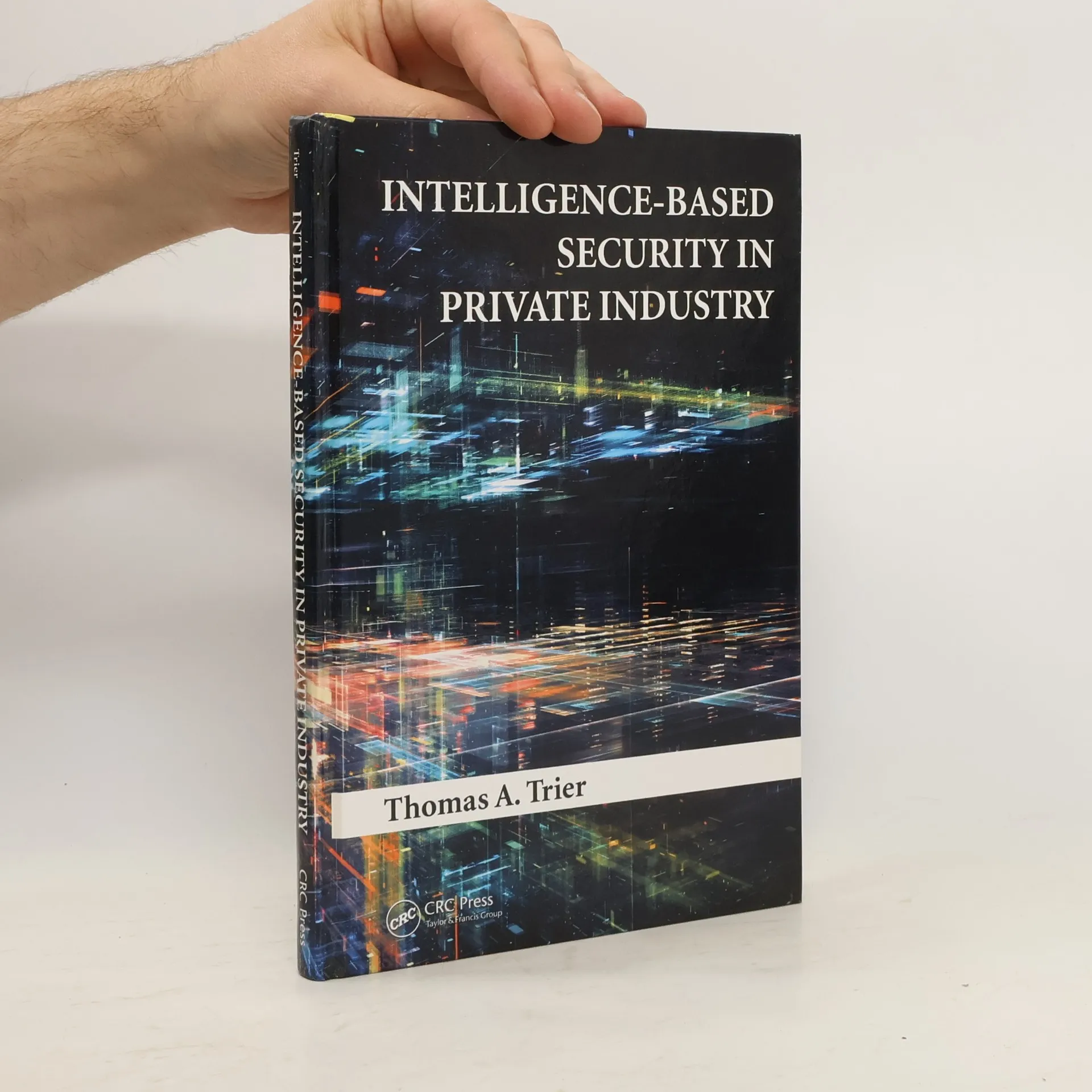
In Intelligence-Based Security in Private Industry, Thomas A. Trier highlights the essential need for intelligence-based security within the private security sector. He offers an overview of the concept and practical guidelines aimed at reducing the risk and vulnerability of businesses to criminal activities. The book effectively demonstrates real-world applications of various theories and methods for gathering and acting on information that may indicate potential threats. It clarifies the distinctions between risk assessments, vulnerability assessments, and threat assessments, while defining both external and internal threats and outlining differing strategies to tackle them. Trier presents a structured approach to intelligence assessment, encompassing evaluation, analysis, and mitigation. He enriches the discussion with case studies from his own experiences in developing intelligence-based security plans, serving as models for readers to create similar programs. By implementing in-house intelligence-based security, businesses can enhance their preparedness against a range of threats, from theft to identity fraud. This approach equips organizations with critical information ahead of potential incidents, enabling more informed decision-making in response to threats. The book guides readers on how to acquire and utilize this vital information for their protection.
Een boek kopen
Intelligence-Based Security in Private Industry, Thomas A. Trier
- Taal

- Jaar van publicatie
- 2015
- Bindwijze
- (Hardcover)
Betaalmethoden
Nog niemand heeft beoordeeld.
- Titel
- Intelligence-Based Security in Private Industry
- Taal
- Engels
- Auteurs
- Thomas A. Trier
- Uitgever
- CRC Press
- Jaar van publicatie
- 2015
- Formaat
- Hardcover
- Aantal pagina's
- 173
- ISBN10
- 1498722032
- ISBN13
- 9781498722032
- Reeks
- Tags
- Handel
- Aantekening
- In Intelligence-Based Security in Private Industry, Thomas A. Trier highlights the essential need for intelligence-based security within the private security sector. He offers an overview of the concept and practical guidelines aimed at reducing the risk and vulnerability of businesses to criminal activities. The book effectively demonstrates real-world applications of various theories and methods for gathering and acting on information that may indicate potential threats. It clarifies the distinctions between risk assessments, vulnerability assessments, and threat assessments, while defining both external and internal threats and outlining differing strategies to tackle them. Trier presents a structured approach to intelligence assessment, encompassing evaluation, analysis, and mitigation. He enriches the discussion with case studies from his own experiences in developing intelligence-based security plans, serving as models for readers to create similar programs. By implementing in-house intelligence-based security, businesses can enhance their preparedness against a range of threats, from theft to identity fraud. This approach equips organizations with critical information ahead of potential incidents, enabling more informed decision-making in response to threats. The book guides readers on how to acquire and utilize this vital information for their protection.