


Parameters
Meer over het boek
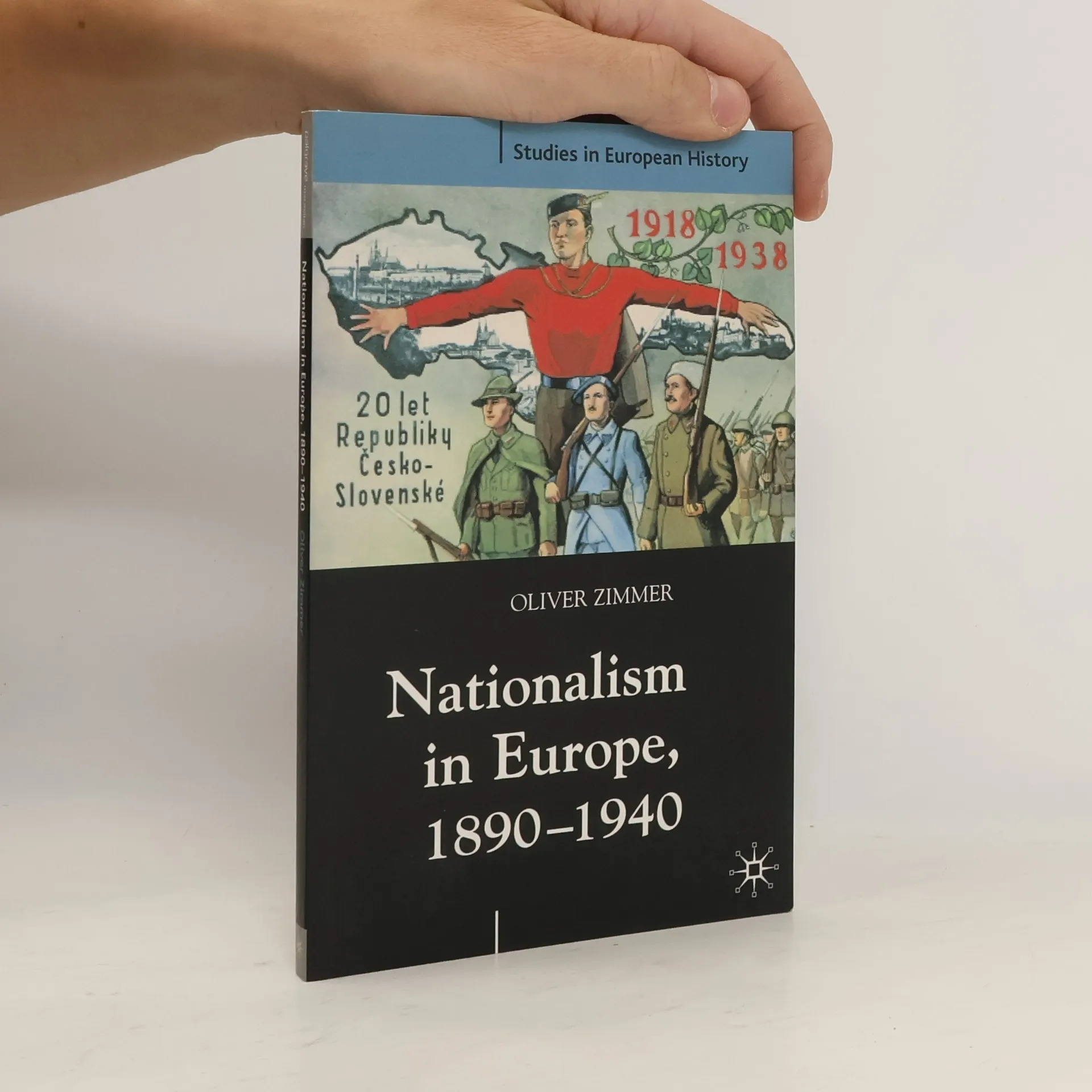
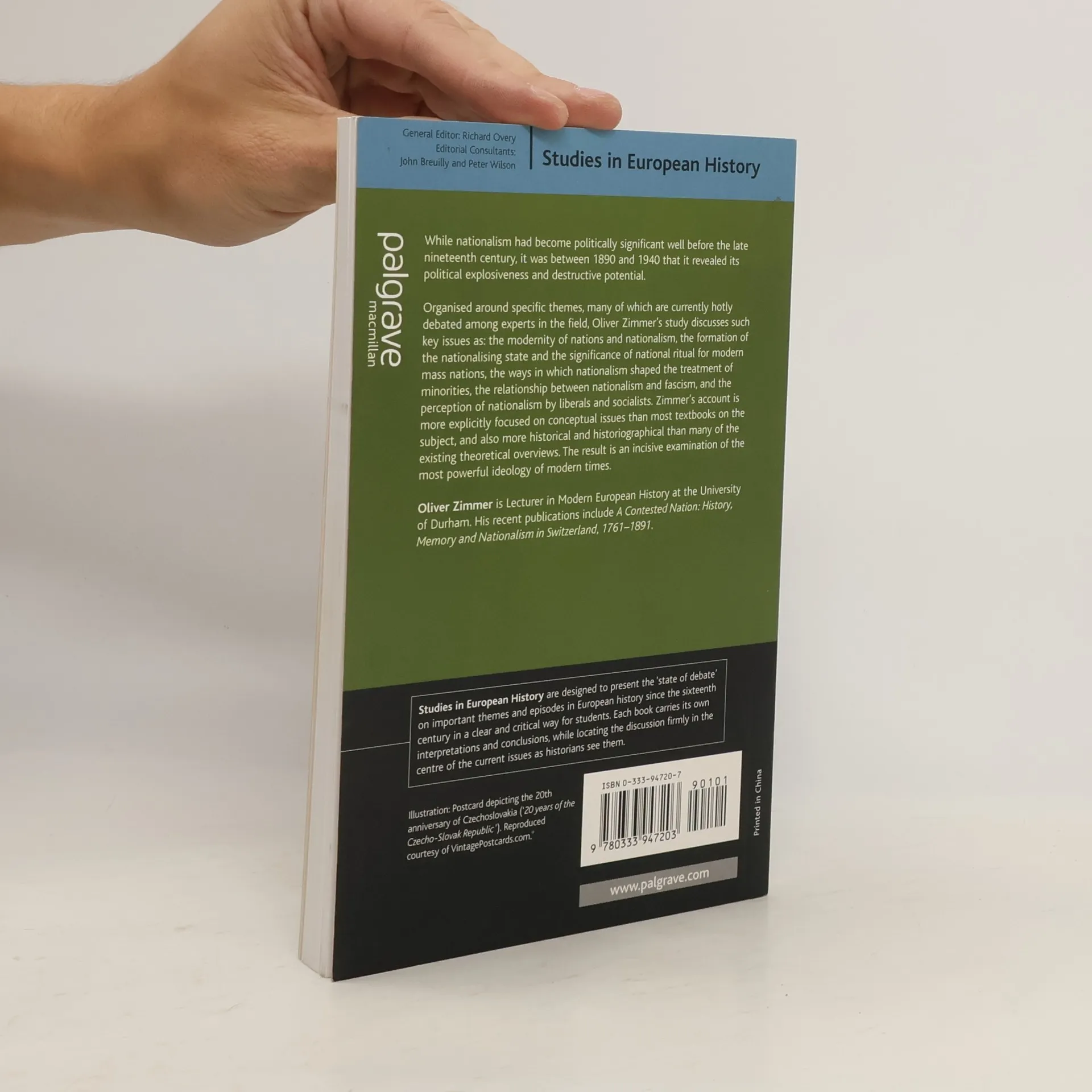
While nationalism had become politically significant well before the late nineteenth century, it was between 1890 and 1940 that it revealed its political explosiveness and destructive potential. With a In Nationalism in Europe, Oliver Zimmer carefully examines key issues from this time, such as: the modernity of nations and nationalism, the formation of the nationalizing state and the significance of national ritual for modern mass nations, the ways in which nationalism shaped the treatment of minorities, the relationship between nationalism and fascism, and the perception of nationalism by liberals and socialists. Zimmer's account is more explicitly focused on conceptual issues than most texts on the subject, and also more historical and historiographical than many of the existing theoretical overviews. The result is an incisive examination of the most powerful ideology of modern times.
Een boek kopen
Nationalism in Europe, 1890-1940, Oliver Zimmer
- Taal

- Jaar van publicatie
- 2003
Betaalmethoden
We missen je recensie hier.
- Titel
- Nationalism in Europe, 1890-1940
- Taal
- Engels
- Auteurs
- Oliver Zimmer
- Uitgever
- Palgrave
- Jaar van publicatie
- 2003
- ISBN10
- 0333947207
- ISBN13
- 9780333947203
- Beoordeling
- 3,2 van 5
- Aantekening
- While nationalism had become politically significant well before the late nineteenth century, it was between 1890 and 1940 that it revealed its political explosiveness and destructive potential. With a In Nationalism in Europe, Oliver Zimmer carefully examines key issues from this time, such as: the modernity of nations and nationalism, the formation of the nationalizing state and the significance of national ritual for modern mass nations, the ways in which nationalism shaped the treatment of minorities, the relationship between nationalism and fascism, and the perception of nationalism by liberals and socialists. Zimmer's account is more explicitly focused on conceptual issues than most texts on the subject, and also more historical and historiographical than many of the existing theoretical overviews. The result is an incisive examination of the most powerful ideology of modern times.