

Meer over het boek
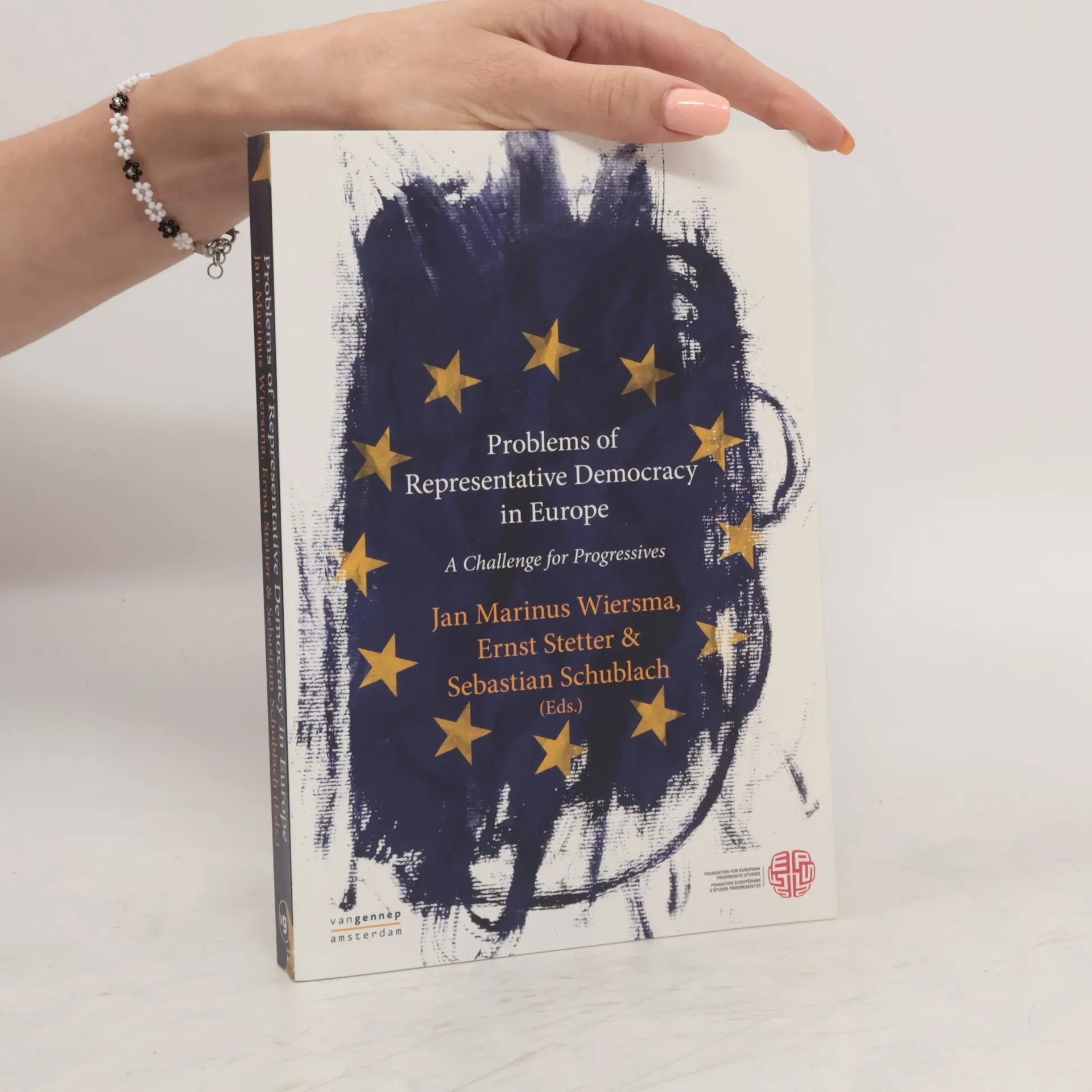
There are growing concerns about the state of representative democracy in both Eastern and Western Europe. Whether it is the rise of populism, the increase of illiberal tendencies or the expression of outright antidemocratic sentiments, the number of threats is growing. This is all the more alarming since the origins of democracy can be found in our continent. The changes have an (negative) impact on the European integration process as such and on support for EU enlargement. The articles of this book, written by young progressive academics, offer a broad perspective on democratic shortcomings and potential solutions. They make clear that although the post communist countries have followed a different trajectory, their (disillusioned) electorates have much in common
Een boek kopen
Problems of Representative Democracy in Europe, Jan Marinus Wiersma, Ernst Stetter, Sebastian Schublach
- Taal

- Jaar van publicatie
- 2014
- Bindwijze
- (Paperback)
Betaalmethoden
Nog niemand heeft beoordeeld.
- Titel
- Problems of Representative Democracy in Europe
- Ondertitel
- A Challenge for Progressives
- Taal
- Engels
- Uitgever
- Vangennep
- Jaar van publicatie
- 2014
- Formaat
- Paperback
- ISBN10
- 9461643144
- ISBN13
- 9789461643148
- Reeks
- Tags
- Democratie, Europese Unie
- Aantekening
- There are growing concerns about the state of representative democracy in both Eastern and Western Europe. Whether it is the rise of populism, the increase of illiberal tendencies or the expression of outright antidemocratic sentiments, the number of threats is growing. This is all the more alarming since the origins of democracy can be found in our continent. The changes have an (negative) impact on the European integration process as such and on support for EU enlargement. The articles of this book, written by young progressive academics, offer a broad perspective on democratic shortcomings and potential solutions. They make clear that although the post communist countries have followed a different trajectory, their (disillusioned) electorates have much in common