

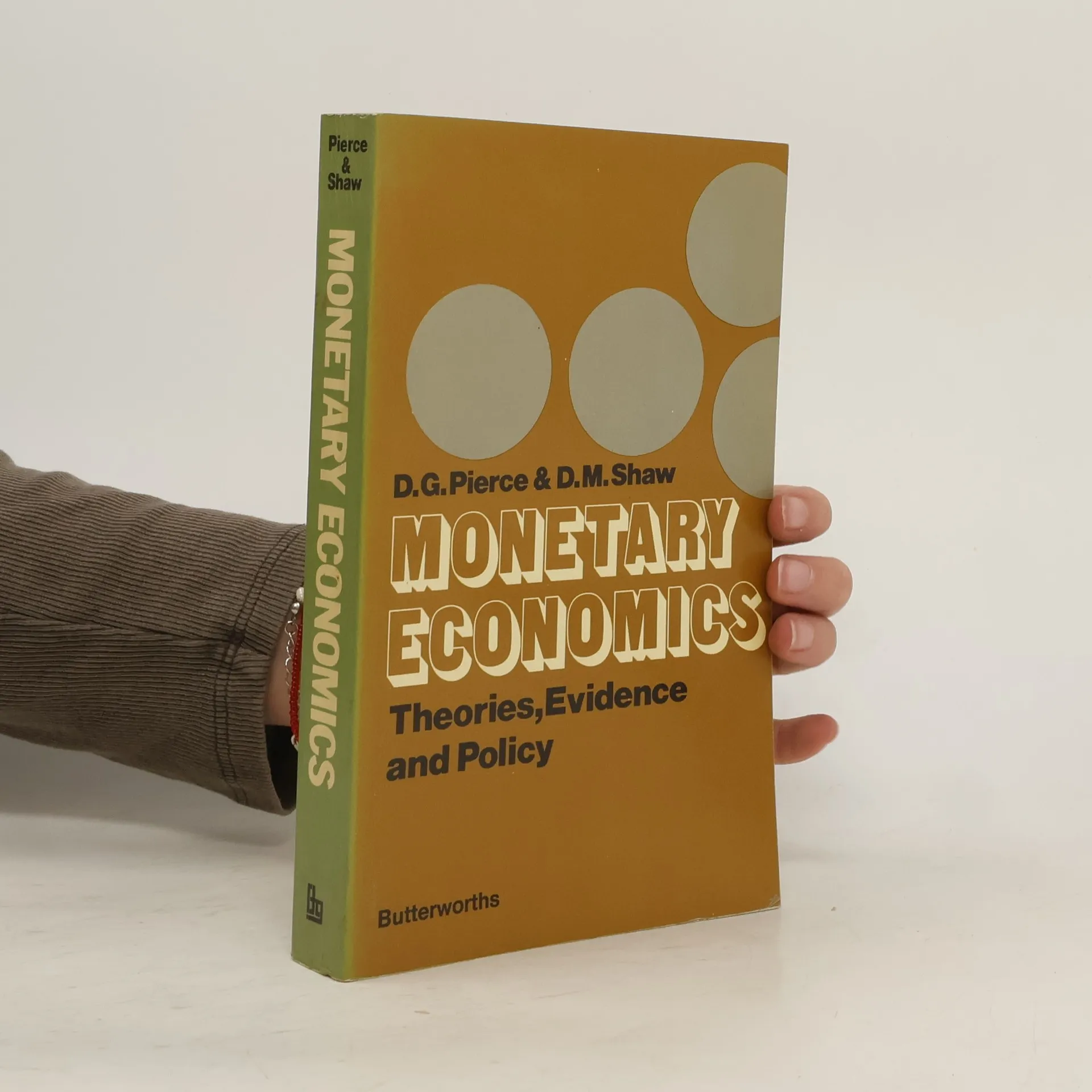
Monetary Economics
Theories, Evidence and Policy
Auteurs
Parameters
- 454bladzijden
- 16 uur lezen
Meer over het boek
Monetary Theories, Evidence and Policy, Second Edition provides basic introduction to various aspects of monetary economics. The first chapter tackles the functions, advantages, and definitions of money. Chapter 2 deals with the monetary transmission mechanism. Chapter 3 discusses the demand for money, while Chapter 4 talks about the financial intermediaries and the supply of money. The book also covers the classical system and the neutrality of money. The Keynesian system and monetarism are then tackled. The text reviews the empirical evidence relating to the role of money. Other related topics covered are inflation; the balance of payments and the foreign exchange rate; and monetary policy. The book also deals with the techniques of monetary control. The last chapter discusses the U.K. post-WW2 monetary policy. The book will be of great interest to students and professionals involved in the study of monetary economics.
Een boek kopen
Monetary Economics, D.M. Shaw, David G. Pierce
- Taal

- Jaar van publicatie
- 1974
- Bindwijze
- (Hardcover)
Betaalmethoden
Nog niemand heeft beoordeeld.
- Titel
- Monetary Economics
- Ondertitel
- Theories, Evidence and Policy
- Taal
- Engels
- Auteurs
- D.M. Shaw, David G. Pierce
- Uitgever
- Butterworths
- Jaar van publicatie
- 1974
- Formaat
- Hardcover
- Aantal pagina's
- 454
- ISBN10
- 0408704500
- ISBN13
- 9780408704502
- Reeks
- Categorieën
- Tags
- Handel, Monetair Beleid
- Aantekening
- Monetary Theories, Evidence and Policy, Second Edition provides basic introduction to various aspects of monetary economics. The first chapter tackles the functions, advantages, and definitions of money. Chapter 2 deals with the monetary transmission mechanism. Chapter 3 discusses the demand for money, while Chapter 4 talks about the financial intermediaries and the supply of money. The book also covers the classical system and the neutrality of money. The Keynesian system and monetarism are then tackled. The text reviews the empirical evidence relating to the role of money. Other related topics covered are inflation; the balance of payments and the foreign exchange rate; and monetary policy. The book also deals with the techniques of monetary control. The last chapter discusses the U.K. post-WW2 monetary policy. The book will be of great interest to students and professionals involved in the study of monetary economics.