



Parameters
- 394bladzijden
- 14 uur lezen
Meer over het boek
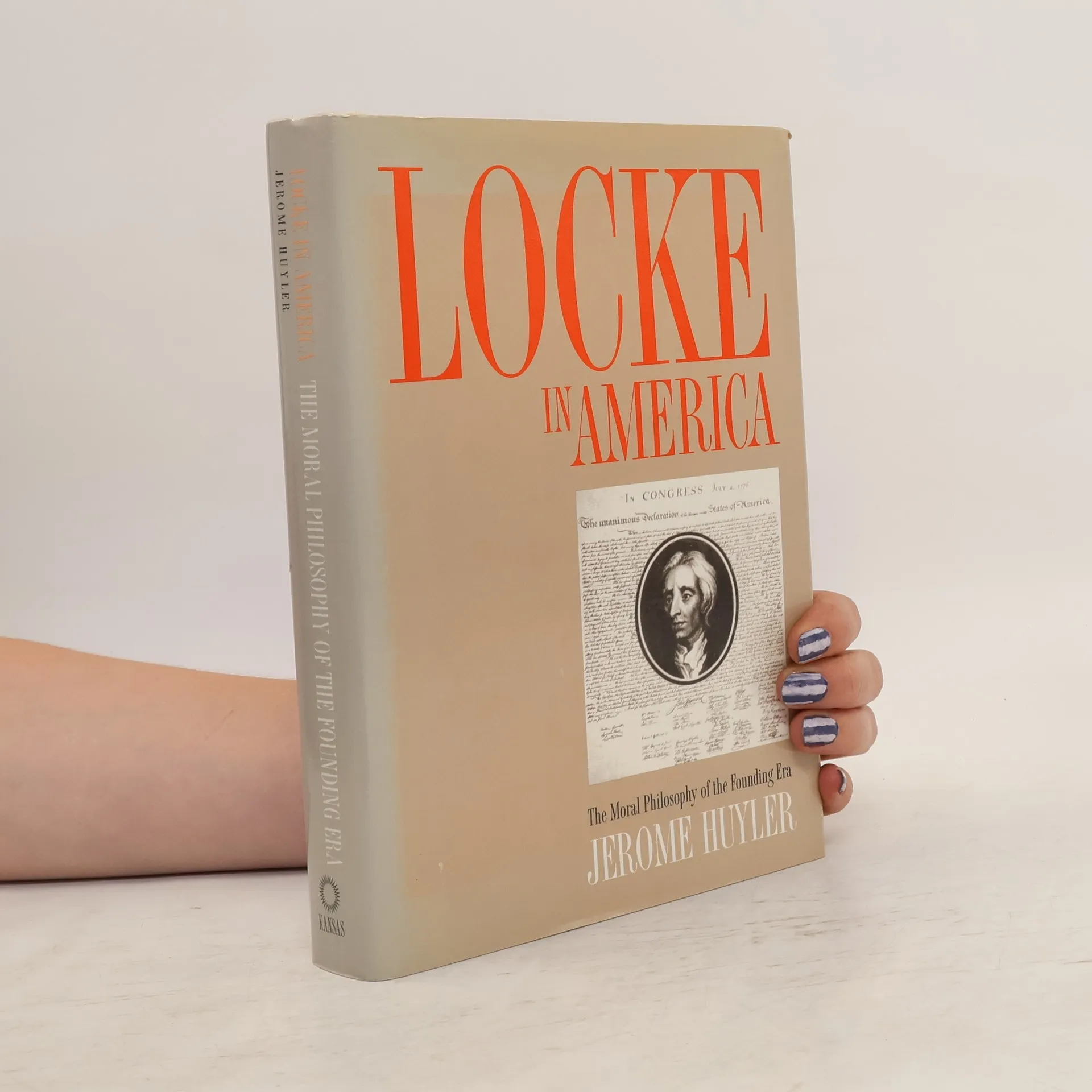
Books on John Locke abound, but until now none have captured the real Locke. By removing the layers of misperception that have clouded the philosopher's portrait for decades, Jerome Huyler reveals a startling new image that suggests a much stronger link between Locke's thought and the American Founding.Huyler contends that authors as accomplished as J.G.A. Pocock, Bernard Bailyn, Gordon Wood, Thomas Pangle, and Joyce Appleby have largely misread or ignored Locke's influence on the Founders. Building upon and critiquing their pioneering works, Huyler argues that the American revolutionaries, the Federalists, the Antifederalists, and the Jeffersonian republicans were all committed to a set of moral and political beliefs which were readily available and clearly articulated in Locke's writings.
Een boek kopen
Locke in America, Jerome Huyler
- Taal

- Jaar van publicatie
- 1995
- Bindwijze
- (Hardcover)
Betaalmethoden
Nog niemand heeft beoordeeld.
- Titel
- Locke in America
- Ondertitel
- The Moral Philosophy of the Founding Era
- Taal
- Engels
- Auteurs
- Jerome Huyler
- Uitgever
- University Press of Kansas
- Jaar van publicatie
- 1995
- Formaat
- Hardcover
- Aantal pagina's
- 394
- ISBN10
- 0700606424
- ISBN13
- 9780700606429
- Reeks
- Categorieën
- Aantekening
- Books on John Locke abound, but until now none have captured the real Locke. By removing the layers of misperception that have clouded the philosopher's portrait for decades, Jerome Huyler reveals a startling new image that suggests a much stronger link between Locke's thought and the American Founding.Huyler contends that authors as accomplished as J.G.A. Pocock, Bernard Bailyn, Gordon Wood, Thomas Pangle, and Joyce Appleby have largely misread or ignored Locke's influence on the Founders. Building upon and critiquing their pioneering works, Huyler argues that the American revolutionaries, the Federalists, the Antifederalists, and the Jeffersonian republicans were all committed to a set of moral and political beliefs which were readily available and clearly articulated in Locke's writings.