

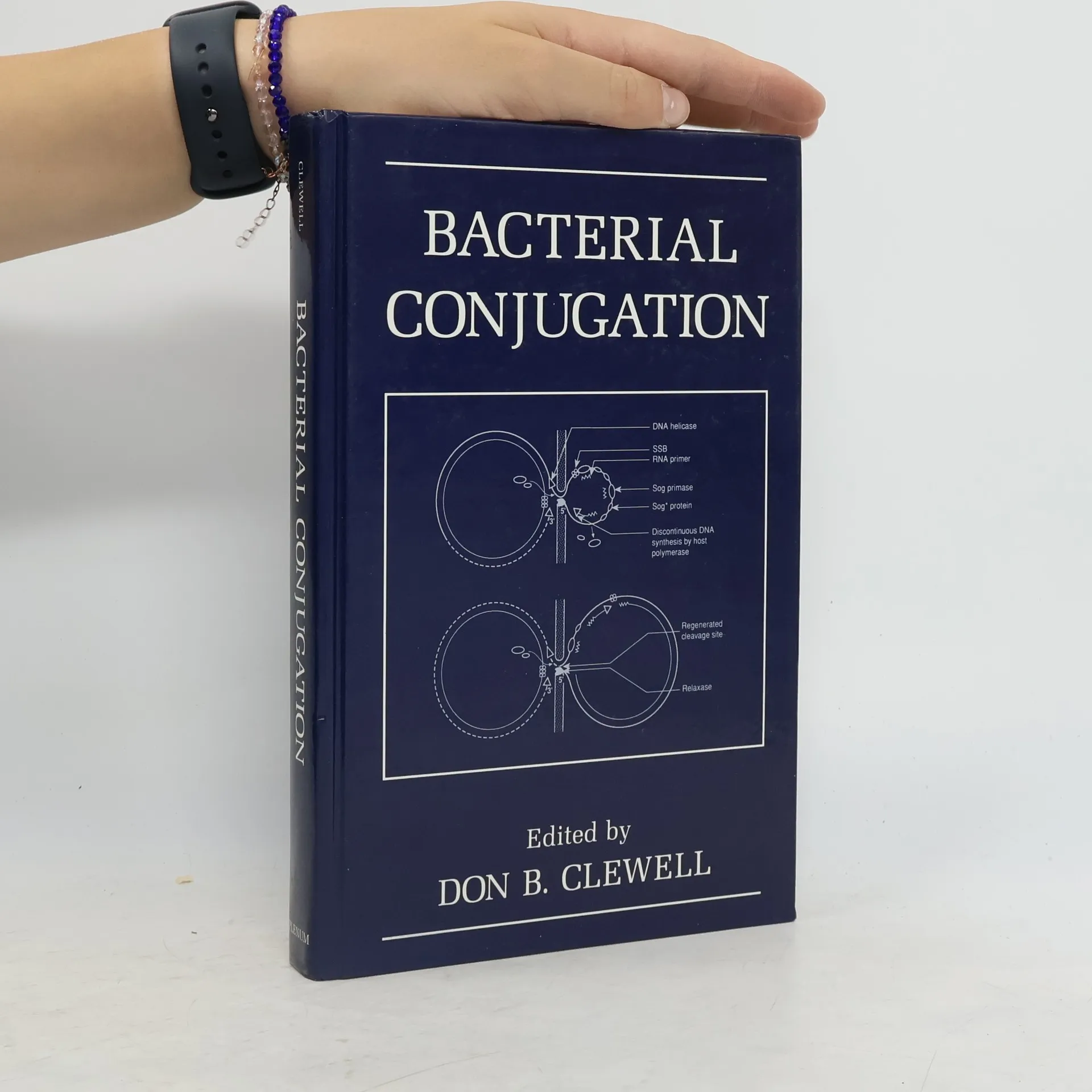


Bacterial Conjugation
Auteurs
Meer over het boek
Bacterial plasmids originating in a wide range of genera are being studied from a variety of perspectives in hundreds of laboratories around the globe. These elements are well known for carrying "special" genes that confer important survival properties, frequently neces sary under atypical conditions. Classic examples of plasmid-borne genes are those provid ing bacterial resistance to toxic substances such as antibiotics, metal ions, and bacte riophage. Often included are those determining bacteriocins, which may give the bacterium an advantage in a highly competitive environment. Genes offering metabolic alternatives to the cell under nutritionally stressed conditions are also commonly found on plasmids, as are determinants important to colonization and pathogenesis. It is likely that in many, if not most, cases plasmids and their passenger determinants represent DNA acquired recently by their bacterial hosts, and it is the characteristic mobility of these elements that enables their efficient establishment in new bacterial cells by the process known as conjugation. Whereas many plasmids are fully capable of promoting their own conjugal transfer, others move only with help from coresident elements. The ability of a plasmid to establish itself in a variety of different species is com mon, and recent studies have shown that transfer can in some cases occur from bacterial cells to eukaryotes such as yeast.
Een boek kopen
Bacterial Conjugation, Don B. Clewell
- Taal

- Jaar van publicatie
- 1993
- Bindwijze
- (Paperback)
Betaalmethoden
Nog niemand heeft beoordeeld.
- Titel
- Bacterial Conjugation
- Taal
- Engels
- Auteurs
- Don B. Clewell
- Uitgever
- Springer
- Jaar van publicatie
- 1993
- Formaat
- Paperback
- Aantal pagina's
- 413
- ISBN10
- 0306443767
- ISBN13
- 9780306443763
- Reeks
- Categorieën
- Aantekening
- Bacterial plasmids originating in a wide range of genera are being studied from a variety of perspectives in hundreds of laboratories around the globe. These elements are well known for carrying "special" genes that confer important survival properties, frequently neces sary under atypical conditions. Classic examples of plasmid-borne genes are those provid ing bacterial resistance to toxic substances such as antibiotics, metal ions, and bacte riophage. Often included are those determining bacteriocins, which may give the bacterium an advantage in a highly competitive environment. Genes offering metabolic alternatives to the cell under nutritionally stressed conditions are also commonly found on plasmids, as are determinants important to colonization and pathogenesis. It is likely that in many, if not most, cases plasmids and their passenger determinants represent DNA acquired recently by their bacterial hosts, and it is the characteristic mobility of these elements that enables their efficient establishment in new bacterial cells by the process known as conjugation. Whereas many plasmids are fully capable of promoting their own conjugal transfer, others move only with help from coresident elements. The ability of a plasmid to establish itself in a variety of different species is com mon, and recent studies have shown that transfer can in some cases occur from bacterial cells to eukaryotes such as yeast.