

Boekbeoordeling
Meer over het boek
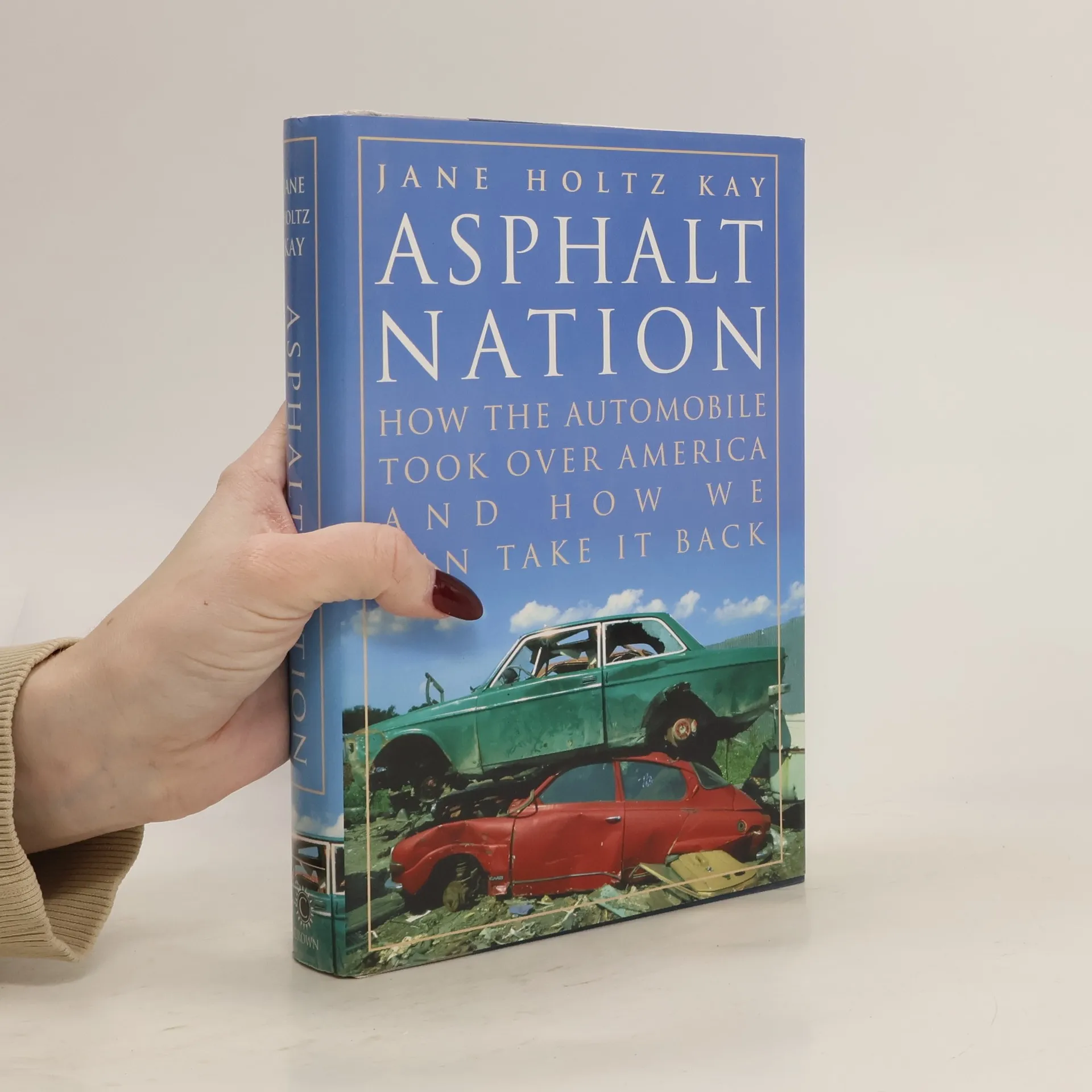
Commuters, consider this: Americans collectively spend over 8 billion hours annually in traffic. This alarming statistic is just one of many in Jane Holtz Kay's insightful examination of the American relationship with cars. Kay argues that automobiles are detrimental to our communities, environment, and economic viability, and her evidence is compelling. She highlights the increasing frequency and duration of daily commutes, noting that rising mileage has negated progress in emission controls. The book is divided into three parts: "Car Glut: A Nation in Lifelock" explores the effects of car culture on contemporary life; "Car Tracks: The Machine That Made the Land" traces the evolution of automobiles from Henry Ford to today; and "Car Free: From Dead End to Exit" envisions a future free from automobile reliance. What sets this work apart from typical critiques of car culture is Kay's exploration of the cultural values that have fostered America's car dependency, particularly regarding land use and growth management. Her comparisons of American and European practices provide intriguing insights. While others have discussed America's obsession with cars, Kay revisits the topic with engaging writing and a compelling narrative.
Een boek kopen
Asphalt Nation, Jane Holtz Kay
- Taal

- Jaar van publicatie
- 1997
- Bindwijze
- (Hardcover)
Betaalmethoden
We missen je recensie hier.
- Titel
- Asphalt Nation
- Ondertitel
- How the Automobile Took Over America and How We Can Take It Back
- Taal
- Engels
- Auteurs
- Jane Holtz Kay
- Uitgever
- Crown Publishers
- Jaar van publicatie
- 1997
- Formaat
- Hardcover
- Aantal pagina's
- 418
- ISBN10
- 0517587025
- ISBN13
- 9780517587027
- Reeks
- Categorieën
- Beoordeling
- 3,4 van 5
- Aantekening
- Commuters, consider this: Americans collectively spend over 8 billion hours annually in traffic. This alarming statistic is just one of many in Jane Holtz Kay's insightful examination of the American relationship with cars. Kay argues that automobiles are detrimental to our communities, environment, and economic viability, and her evidence is compelling. She highlights the increasing frequency and duration of daily commutes, noting that rising mileage has negated progress in emission controls. The book is divided into three parts: "Car Glut: A Nation in Lifelock" explores the effects of car culture on contemporary life; "Car Tracks: The Machine That Made the Land" traces the evolution of automobiles from Henry Ford to today; and "Car Free: From Dead End to Exit" envisions a future free from automobile reliance. What sets this work apart from typical critiques of car culture is Kay's exploration of the cultural values that have fostered America's car dependency, particularly regarding land use and growth management. Her comparisons of American and European practices provide intriguing insights. While others have discussed America's obsession with cars, Kay revisits the topic with engaging writing and a compelling narrative.