


Meer over het boek
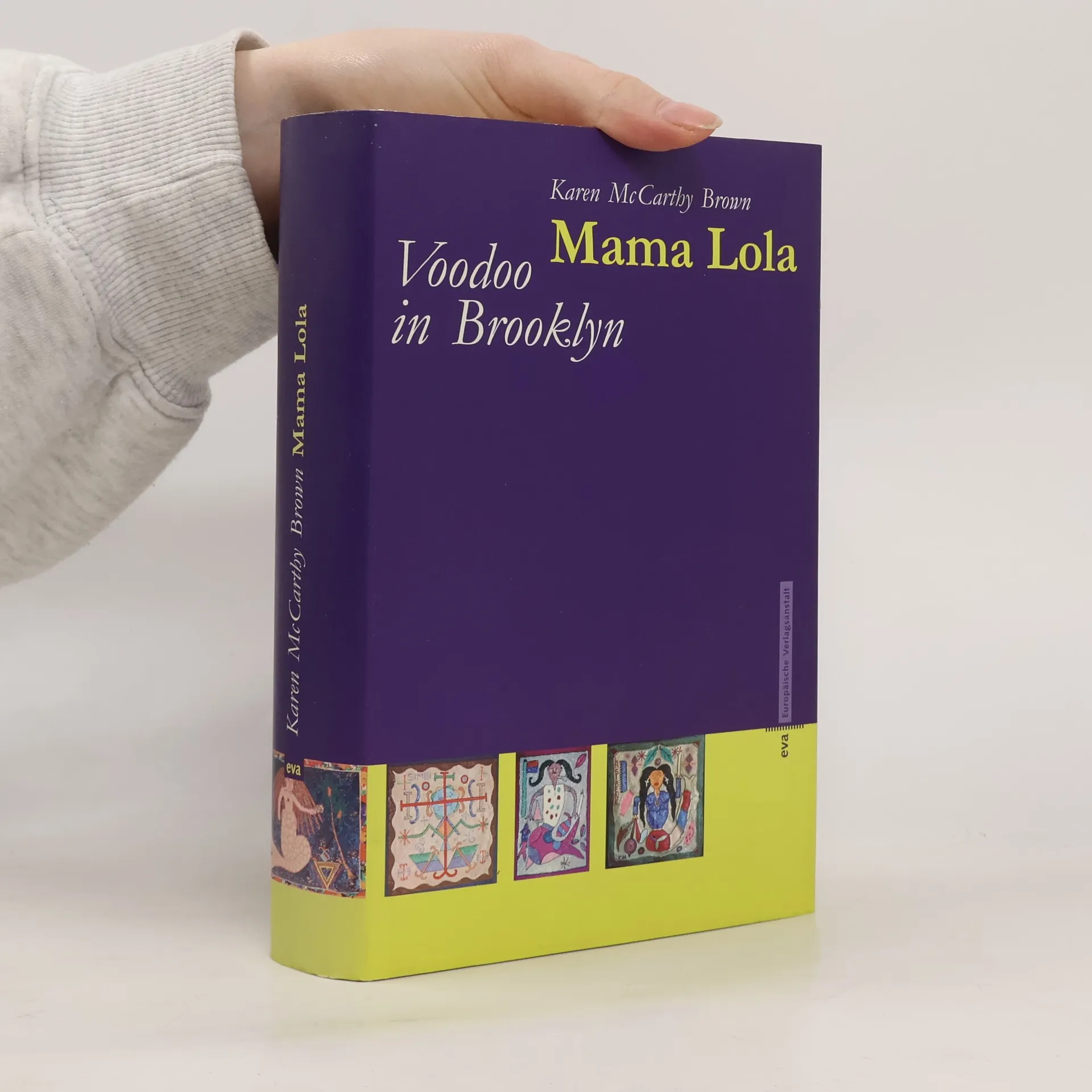
Karen McCarthy Brown's classic book shatters stereotypes of Vodou by offering an intimate portrait of African-based religion in everyday life. She explores the importance of women's religious practices along with related themes of family and of social change. Weaving several of her own voices--analytic, descriptive, and personal--with the voices of her subjects in alternate chapters of traditional ethnography and ethnographic fiction, Brown presents herself as a character in Mama Lola's world and allows the reader to evaluate her interactions there. Startlingly original, Brown's work endures as an important experiment in ethnography as a social art form rooted in human relationships. A new preface, epilogue, bibliography, and a collection of family photographs tell the story of the effect of the book's publication on Mama Lola's life.
Een boek kopen
Mama Lola. Voodoo in Brooklyn., Karen McCarthy Brown
- Taal

- Jaar van publicatie
- 2000
- Bindwijze
- (Hardcover)
Betaalmethoden
We missen je recensie hier.
- Titel
- Mama Lola. Voodoo in Brooklyn.
- Taal
- Duits
- Auteurs
- Karen McCarthy Brown
- Uitgever
- Europäische Verlagsanstalt
- Jaar van publicatie
- 2000
- Formaat
- Hardcover
- Aantal pagina's
- 479
- ISBN10
- 3434504494
- ISBN13
- 9783434504498
- Reeks
- Categorieën
- Beoordeling
- 4,35 van 5
- Aantekening
- Karen McCarthy Brown's classic book shatters stereotypes of Vodou by offering an intimate portrait of African-based religion in everyday life. She explores the importance of women's religious practices along with related themes of family and of social change. Weaving several of her own voices--analytic, descriptive, and personal--with the voices of her subjects in alternate chapters of traditional ethnography and ethnographic fiction, Brown presents herself as a character in Mama Lola's world and allows the reader to evaluate her interactions there. Startlingly original, Brown's work endures as an important experiment in ethnography as a social art form rooted in human relationships. A new preface, epilogue, bibliography, and a collection of family photographs tell the story of the effect of the book's publication on Mama Lola's life.