

Meer over het boek
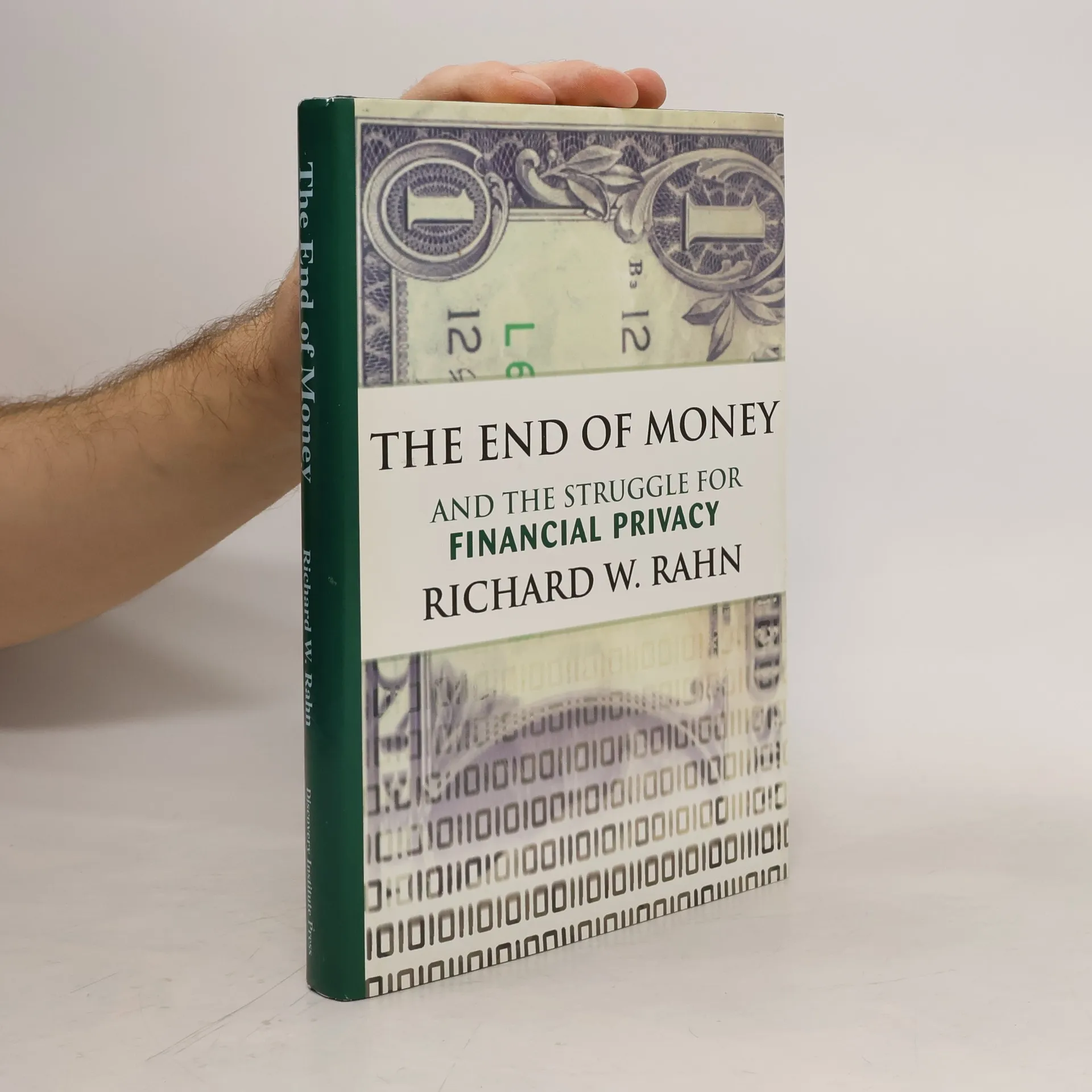
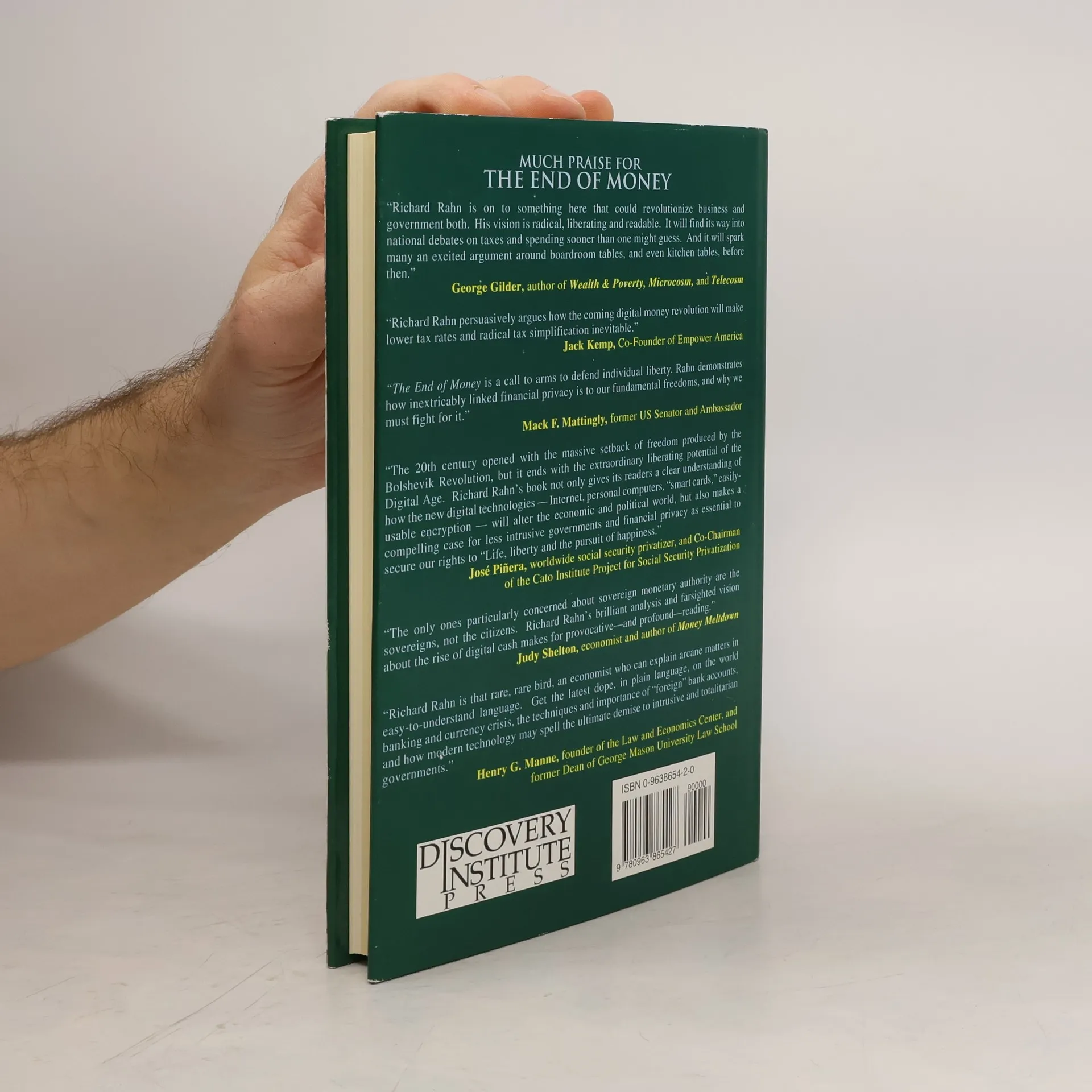
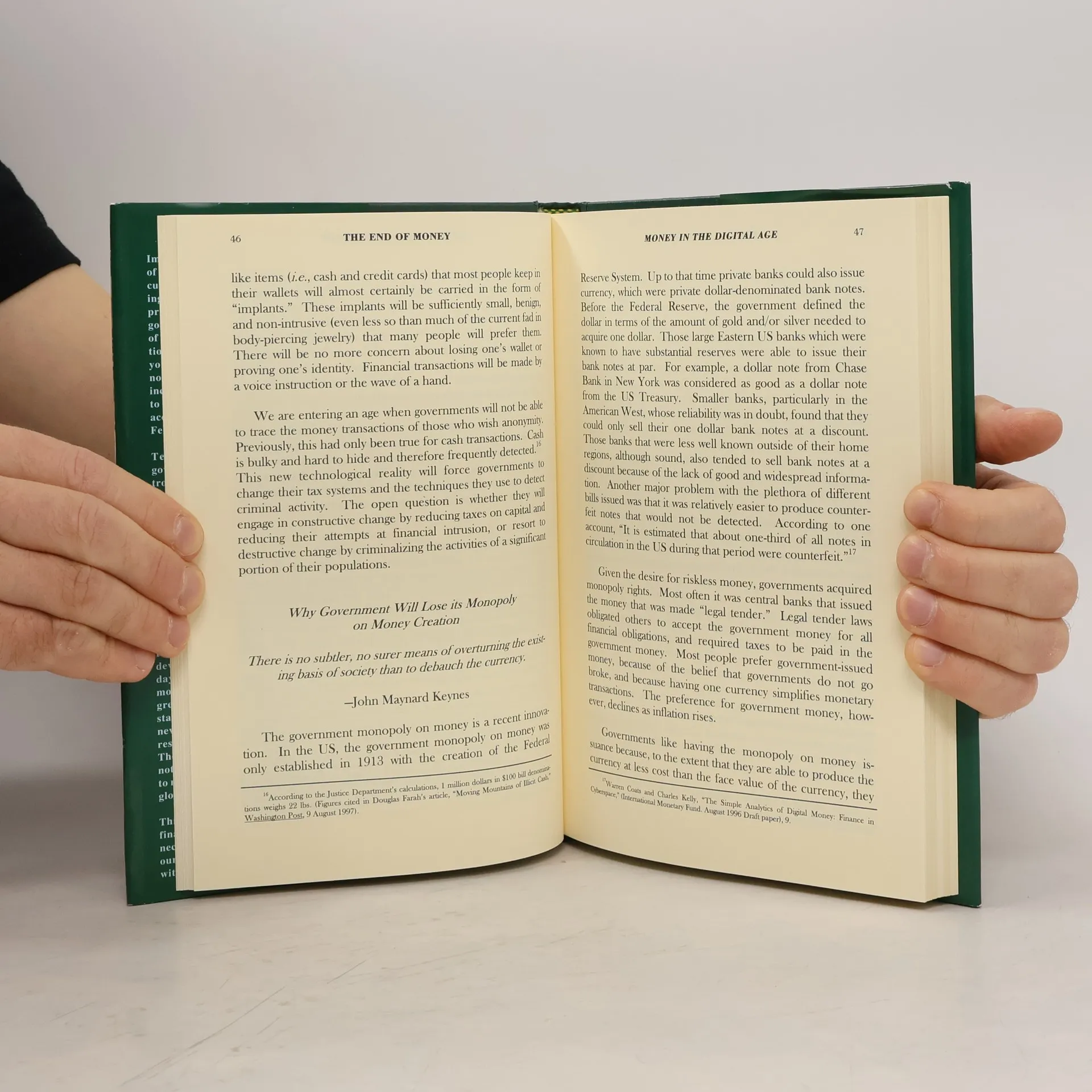
Imagine a world where you make purchases without handling currency, checks, or even cash. In this future, most money is privately and digitally issued, inflation is nearly nonexistent, and you can choose which transactions are recorded or kept anonymous. This scenario, outlined by Richard W. Rahn, suggests a reality many will experience in the coming decades. Technology has surpassed government control over electronic finance, with advancements in fiber optics, encryption, and smart-card technology facilitating instant global fund transfers without paper or coins. Global financial systems enable the swift transfer of any recognized asset, supported by reliable institutions. Private entities are already creating "digital dollars," poised to lower transaction costs and enhance economic efficiency, ultimately improving living standards. However, this shift to digital money faces significant resistance from government officials. The full potential of digital currency can only be realized if individuals are allowed the freedom to manage their financial assets privately on a global scale.
Een boek kopen
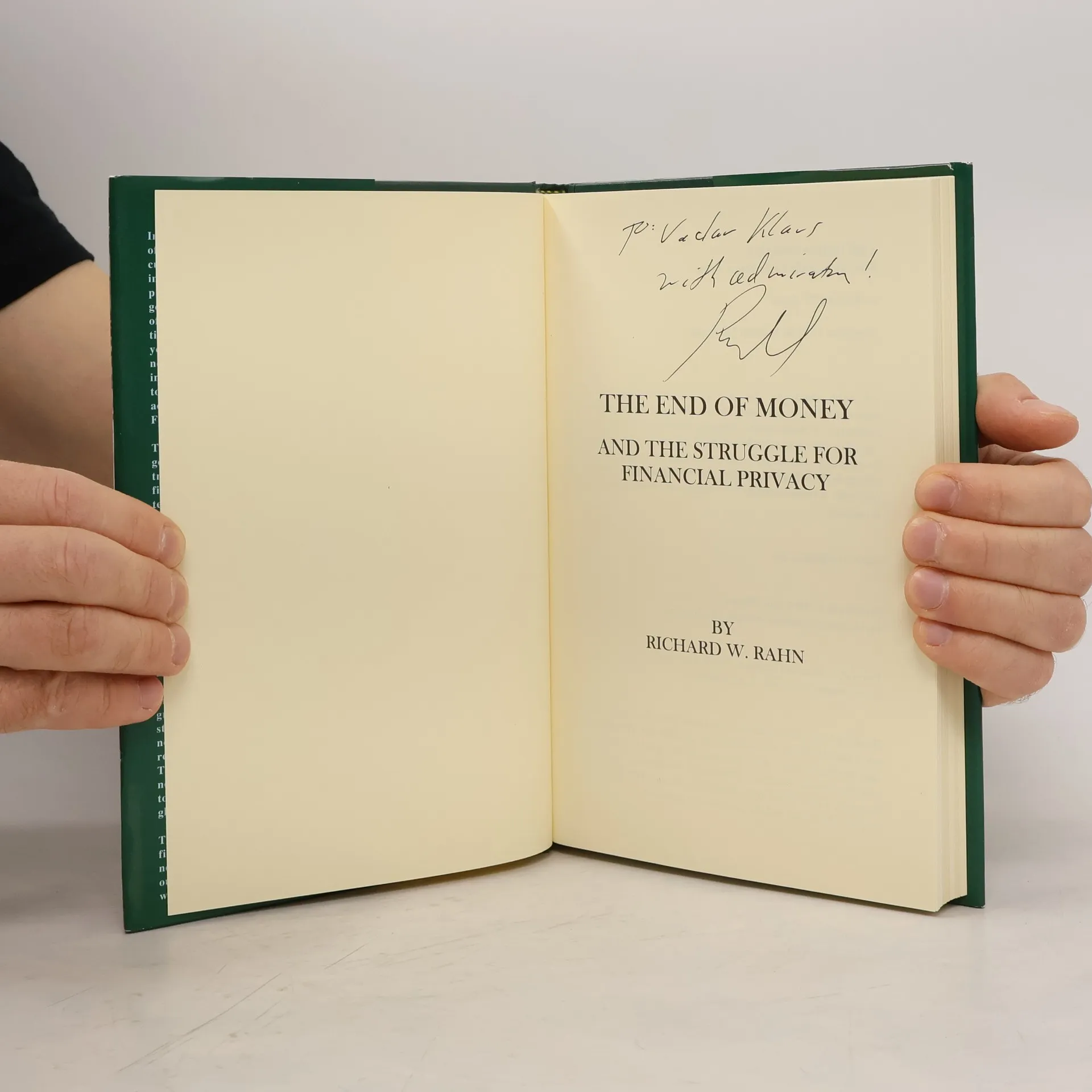
The End of Money, Richard W. Rahn
- Taal

- Jaar van publicatie
- 1999
- Bindwijze
- (Hardcover)
Betaalmethoden
We missen je recensie hier.
- Titel
- The End of Money
- Ondertitel
- And the Struggle for Financial Privacy
- Taal
- Engels
- Auteurs
- Richard W. Rahn
- Uitgever
- Discovery Institute Press
- Jaar van publicatie
- 1999
- Formaat
- Hardcover
- Aantal pagina's
- 232
- ISBN10
- 0963865420
- ISBN13
- 9780963865427
- Reeks
- Categorieën
- Tags
- Handel
- Beoordeling
- 2,5 van 5
- Aantekening
- Imagine a world where you make purchases without handling currency, checks, or even cash. In this future, most money is privately and digitally issued, inflation is nearly nonexistent, and you can choose which transactions are recorded or kept anonymous. This scenario, outlined by Richard W. Rahn, suggests a reality many will experience in the coming decades. Technology has surpassed government control over electronic finance, with advancements in fiber optics, encryption, and smart-card technology facilitating instant global fund transfers without paper or coins. Global financial systems enable the swift transfer of any recognized asset, supported by reliable institutions. Private entities are already creating "digital dollars," poised to lower transaction costs and enhance economic efficiency, ultimately improving living standards. However, this shift to digital money faces significant resistance from government officials. The full potential of digital currency can only be realized if individuals are allowed the freedom to manage their financial assets privately on a global scale.