

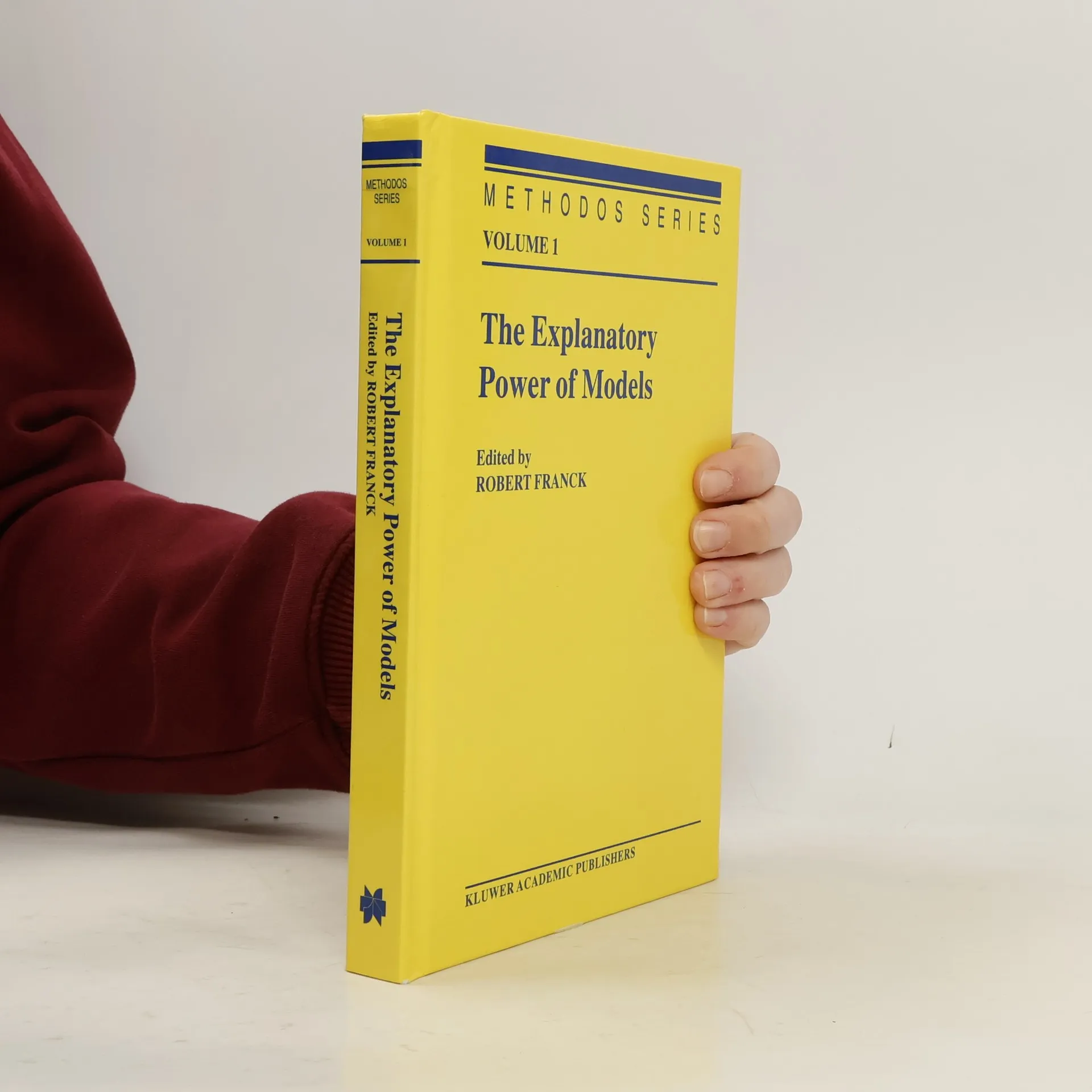

Methodos Series - 1: The Explanatory Power of Models
Bridging the Gap Between Empirical and Theoretical Research in the Social Sciences
Auteurs
Parameters
- 320bladzijden
- 12 uur lezen
Meer over het boek
Empirical research often lacks theory. This book progressively works out a method of constructing models which can bridge the gap between empirical and theoretical research in the social sciences. This might improve the explanatory power of models. The issue is quite novel, and it benefited from a thorough examination of statistical and mathematical models, conceptual models, diagrams and maps, machines, computer simulations, and artificial neural networks. These modelling practices have been approached through different disciplines. The proposed method is partly inspired by reverse engineering. The standard covering law approach is abandoned, and classical induction restored to its rightful place. It helps to solve several difficulties which impact upon the social sciences today, for example how to extend an explanatory model to new phenomena, how to establish laws, and how to guide the choice of a conceptual structure. The book can be used for advanced courses in research methods in the social sciences and in philosophy of science.
Een boek kopen
Methodos Series - 1: The Explanatory Power of Models, Robert Francke
- Taal

- Jaar van publicatie
- 2002
- Bindwijze
- (Hardcover)
Betaalmethoden
Nog niemand heeft beoordeeld.
- Titel
- Methodos Series - 1: The Explanatory Power of Models
- Ondertitel
- Bridging the Gap Between Empirical and Theoretical Research in the Social Sciences
- Taal
- Engels
- Auteurs
- Robert Francke
- Uitgever
- Springer
- Jaar van publicatie
- 2002
- Formaat
- Hardcover
- Aantal pagina's
- 320
- ISBN10
- 1402008678
- ISBN13
- 9781402008672
- Reeks
- Categorieën
- Tags
- Handel, Filosofisch thema, Wetenschap, Politieke theorieën, Onderzoek, West-Europa, Statistiek, Methodologie, Wetenschapsfilosofie, Demografie, Bevolking
- Aantekening
- Empirical research often lacks theory. This book progressively works out a method of constructing models which can bridge the gap between empirical and theoretical research in the social sciences. This might improve the explanatory power of models. The issue is quite novel, and it benefited from a thorough examination of statistical and mathematical models, conceptual models, diagrams and maps, machines, computer simulations, and artificial neural networks. These modelling practices have been approached through different disciplines. The proposed method is partly inspired by reverse engineering. The standard covering law approach is abandoned, and classical induction restored to its rightful place. It helps to solve several difficulties which impact upon the social sciences today, for example how to extend an explanatory model to new phenomena, how to establish laws, and how to guide the choice of a conceptual structure. The book can be used for advanced courses in research methods in the social sciences and in philosophy of science.