


Parameters
- 156bladzijden
- 6 uur lezen
Meer over het boek
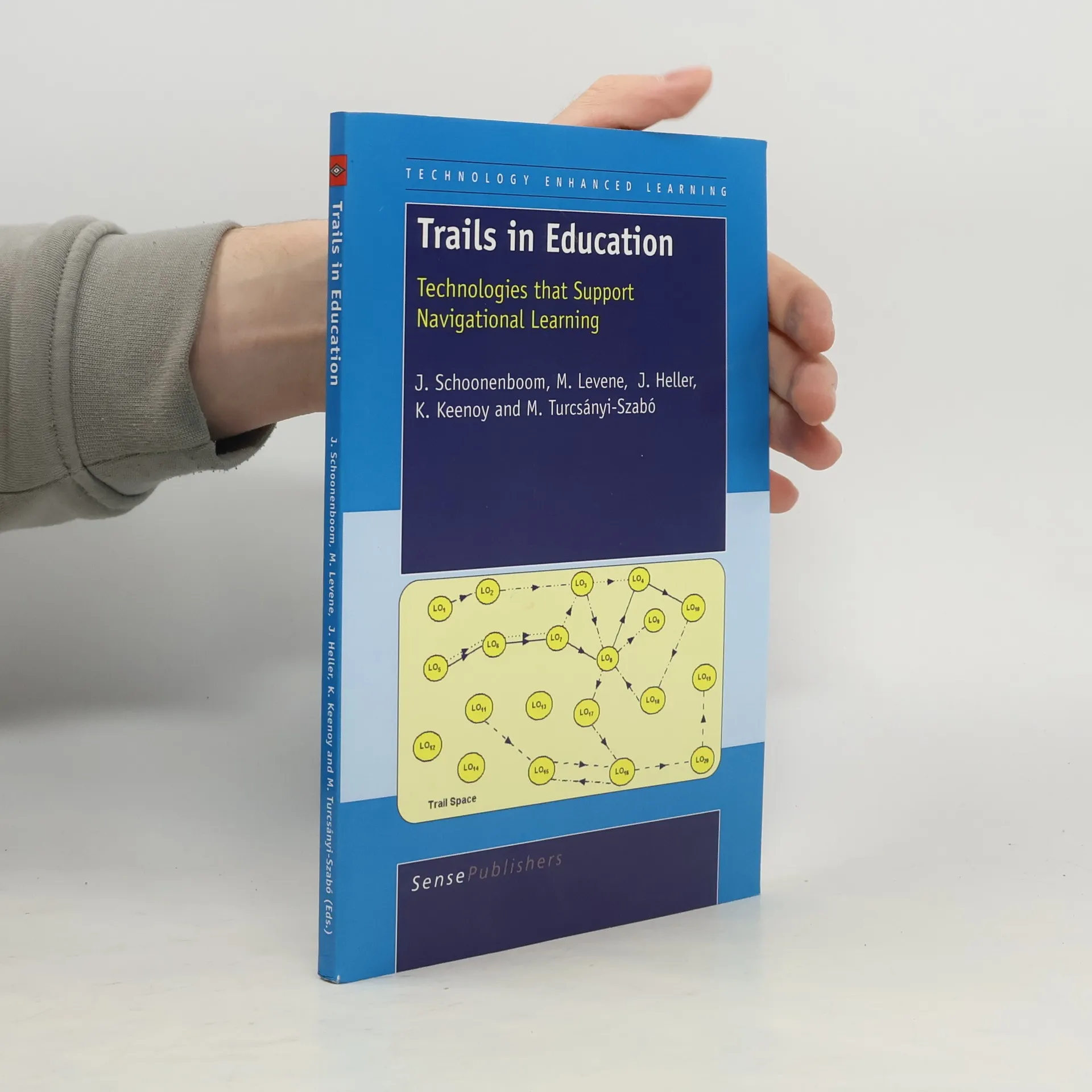
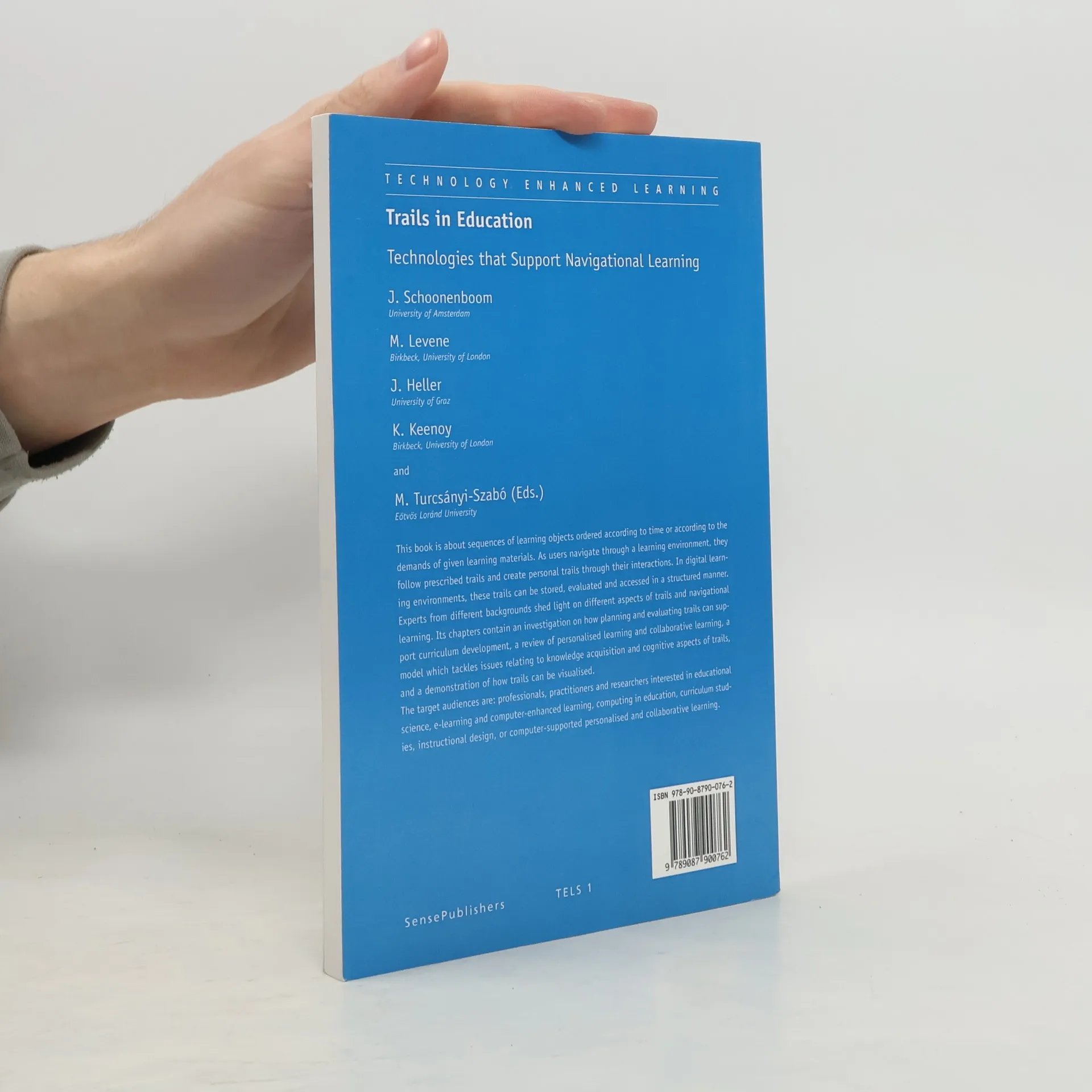
This book is about sequences of learning objects ordered according to time or according to the demands of given learning materials. As users navigate through a learning environment, they follow prescribed trails and create personal trails through their interactions. In digital learning environments, these trails can be stored, evaluated and accessed in a structured manner. Experts from different backgrounds shed light on different aspects of trails and navigational learning. Its chapters contain an investigation on how planning and evaluating trails can support curriculum development, a review of personalised learning and collaborative learning, a model which tackles issues relating to knowledge acquisition and cognitive aspects of trails, and a demonstration of how trails can be visualised. The target audiences are: professionals, practitioners and researchers interested in educational science, e-learning and computer-enhanced learning, computing in education, curriculum studies, instructional design, or computer-supported personalised and collaborative learning.
Een boek kopen
Trails in Education, J. Schoonenboom, Gerald M. Levene, J. Heller, K. Keenoy, M. Turcsányi-Szabó
- Taal

- Jaar van publicatie
- 2007
- Bindwijze
- (Paperback)
Betaalmethoden
Nog niemand heeft beoordeeld.
- Titel
- Trails in Education
- Ondertitel
- Technologies That Support Navigational Learning
- Taal
- Engels
- Uitgever
- Brill Academic Pub
- Jaar van publicatie
- 2007
- Formaat
- Paperback
- Aantal pagina's
- 156
- ISBN10
- 9087900767
- ISBN13
- 9789087900762
- Reeks
- Aantekening
- This book is about sequences of learning objects ordered according to time or according to the demands of given learning materials. As users navigate through a learning environment, they follow prescribed trails and create personal trails through their interactions. In digital learning environments, these trails can be stored, evaluated and accessed in a structured manner. Experts from different backgrounds shed light on different aspects of trails and navigational learning. Its chapters contain an investigation on how planning and evaluating trails can support curriculum development, a review of personalised learning and collaborative learning, a model which tackles issues relating to knowledge acquisition and cognitive aspects of trails, and a demonstration of how trails can be visualised. The target audiences are: professionals, practitioners and researchers interested in educational science, e-learning and computer-enhanced learning, computing in education, curriculum studies, instructional design, or computer-supported personalised and collaborative learning.