

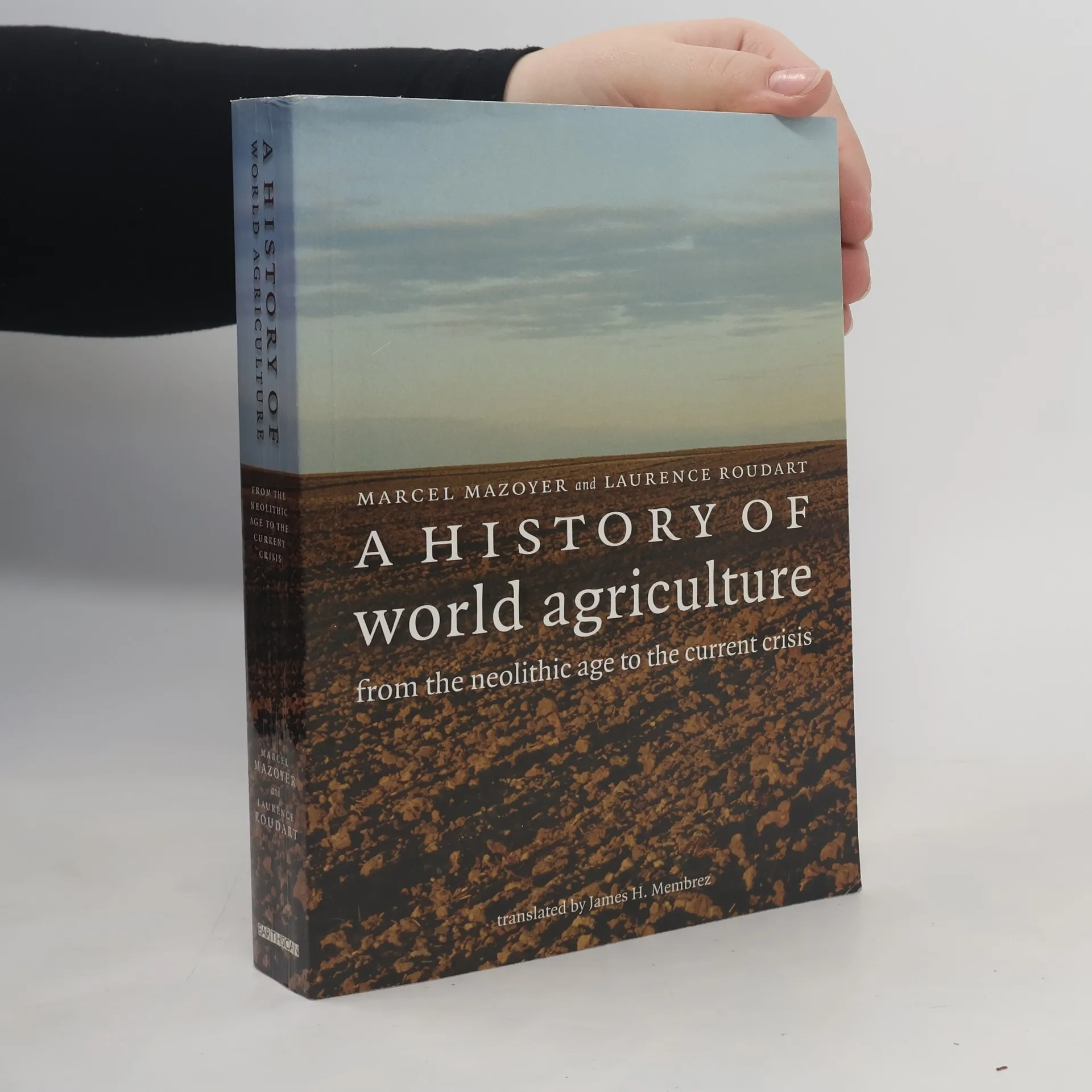

Meer over het boek
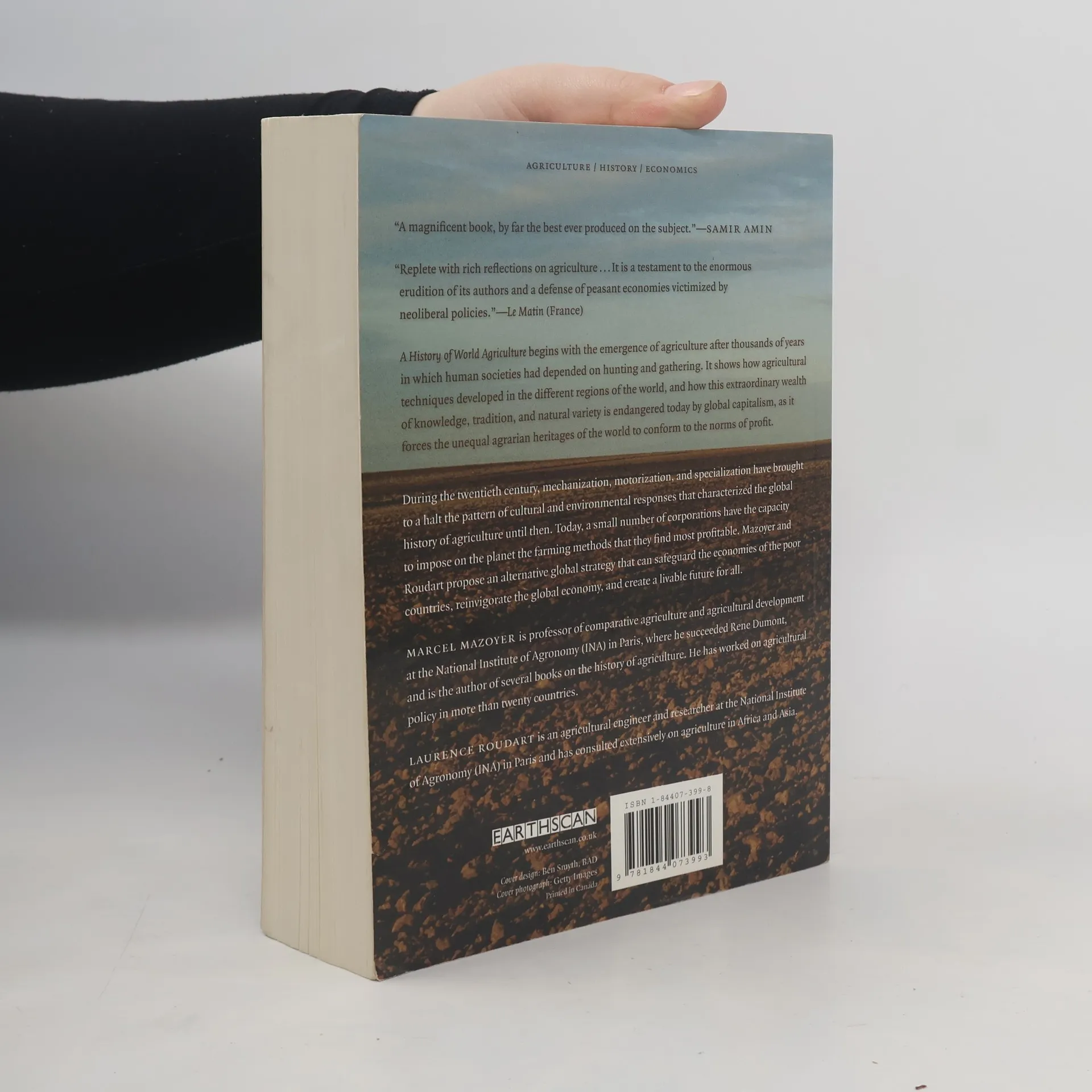
A History of World Agriculture begins with the emergence of agriculture after thousands of years in which human societies had depended on hunting and gathering. It shows how agricultural techniques developed in the different regions of the world, and how this extraordinary wealth of knowledge, tradition, and natural variety is endangered today by global capitalism, as it forces the unequal agrarian heritages of the world to conform to the norms of profit. During the twentieth century, mechanization, motorization, and specialization have brought to a halt the pattern of cultural and environmental responses that characterized the global history of agriculture until then. Today, a small number of corporations have the capacity to impose on the planet the farming methods that they find most profitable. Mazoyer and Roudart propose an alternative global strategy that can safeguard the economies of the poor countries, reinvigorate the global economy, and create a livable future for all.
Een boek kopen
A History of World Agriculture, Marcel Mazoyer, Laurence Roudart, James H. Membrez
- Taal

- Jaar van publicatie
- 2006
- Bindwijze
- (Paperback)
Betaalmethoden
We missen je recensie hier.
- Titel
- A History of World Agriculture
- Ondertitel
- From the Neolithic Age to the Current Crisis
- Taal
- Engels
- Uitgever
- Routledge
- Jaar van publicatie
- 2006
- Formaat
- Paperback
- Aantal pagina's
- 524
- ISBN10
- 1844073998
- ISBN13
- 9781844073993
- Reeks
- Categorieën
- Tags
- Politiek, Wetenschap, Eten, Technologie, Winter, kou, Platteland, Economische Geschiedenis, Systemen, Hongersnood
- Beoordeling
- 4,35 van 5
- Aantekening
- A History of World Agriculture begins with the emergence of agriculture after thousands of years in which human societies had depended on hunting and gathering. It shows how agricultural techniques developed in the different regions of the world, and how this extraordinary wealth of knowledge, tradition, and natural variety is endangered today by global capitalism, as it forces the unequal agrarian heritages of the world to conform to the norms of profit. During the twentieth century, mechanization, motorization, and specialization have brought to a halt the pattern of cultural and environmental responses that characterized the global history of agriculture until then. Today, a small number of corporations have the capacity to impose on the planet the farming methods that they find most profitable. Mazoyer and Roudart propose an alternative global strategy that can safeguard the economies of the poor countries, reinvigorate the global economy, and create a livable future for all.