



Christianity & Society in the Modern World Series: The Reformation of Ritual
An Interpretation of Early Modern Germany
Auteurs
Boekbeoordeling
Parameters
- 296bladzijden
- 11 uur lezen
Meer over het boek
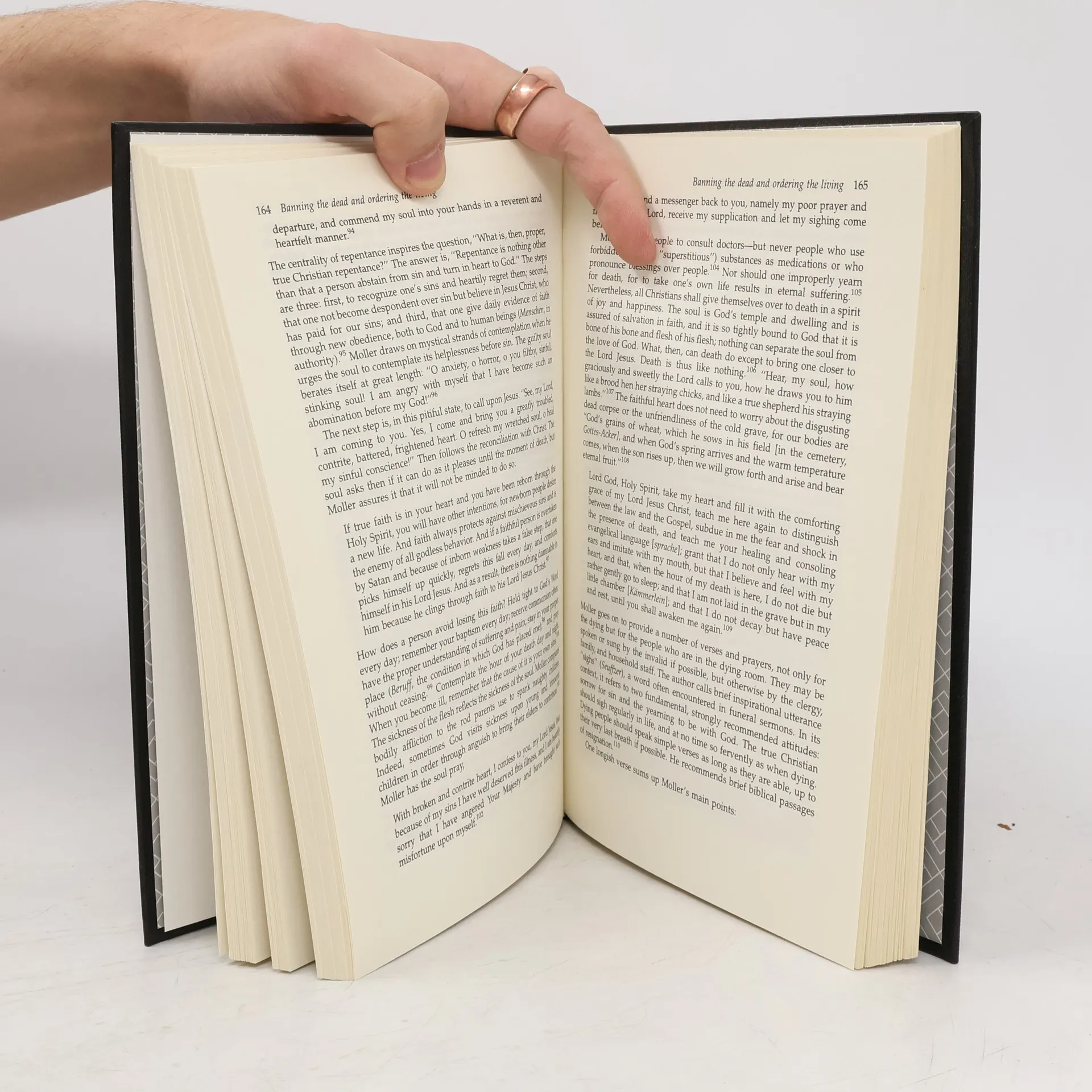
In The Reformation of Ritual Susan Karant-Nunn explores the function of ritual in early modern German society, and the extent to which it was modified by the Reformation.Employing anthropological insights, and drawing on extensive archival research, Susan Karant-Nunn outlines the significance of the ceremonial changes. This comprehensive study includes an examination of all major rites of passage: birth, baptism, confirmation, engagement, marriage, the churching of women after childbirth, penance, the Eucharist, and dying. The author argues that the changes in ritual made over the course of the century reflect more than theological shifts; ritual was a means of imposing discipline and of making the divine more or less accessible. Church and state cooperated in using ritual as one means of gaining control of the populace.
Een boek kopen
Christianity & Society in the Modern World Series: The Reformation of Ritual, Susan C. Karant-Nunn
- Taal

- Jaar van publicatie
- 1997
- Bindwijze
- (Hardcover)
Betaalmethoden
We missen je recensie hier.
- Titel
- Christianity & Society in the Modern World Series: The Reformation of Ritual
- Ondertitel
- An Interpretation of Early Modern Germany
- Taal
- Engels
- Auteurs
- Susan C. Karant-Nunn
- Uitgever
- Routledge
- Jaar van publicatie
- 1997
- Formaat
- Hardcover
- Aantal pagina's
- 296
- ISBN10
- 0415113377
- ISBN13
- 9780415113373
- Reeks
- Categorieën
- Tags
- Religieuze onderwerpen, Christelijke thema's, Duitsland, Onderwijs, schoolwezen, Europa, Geschiedenis van Europa, Inspiratie, Ethiek, West-Europa, 16e eeuw, Geschiedenis van de religies, Rituelen en Ceremonies, Reformatie, Maarten Luther, Sociale Verhoudingen, Protocollen, Begrafenispredikaties
- Beoordeling
- 4 van 5
- Aantekening
- In The Reformation of Ritual Susan Karant-Nunn explores the function of ritual in early modern German society, and the extent to which it was modified by the Reformation.Employing anthropological insights, and drawing on extensive archival research, Susan Karant-Nunn outlines the significance of the ceremonial changes. This comprehensive study includes an examination of all major rites of passage: birth, baptism, confirmation, engagement, marriage, the churching of women after childbirth, penance, the Eucharist, and dying. The author argues that the changes in ritual made over the course of the century reflect more than theological shifts; ritual was a means of imposing discipline and of making the divine more or less accessible. Church and state cooperated in using ritual as one means of gaining control of the populace.