

Parameters
- 318bladzijden
- 12 uur lezen
Meer over het boek
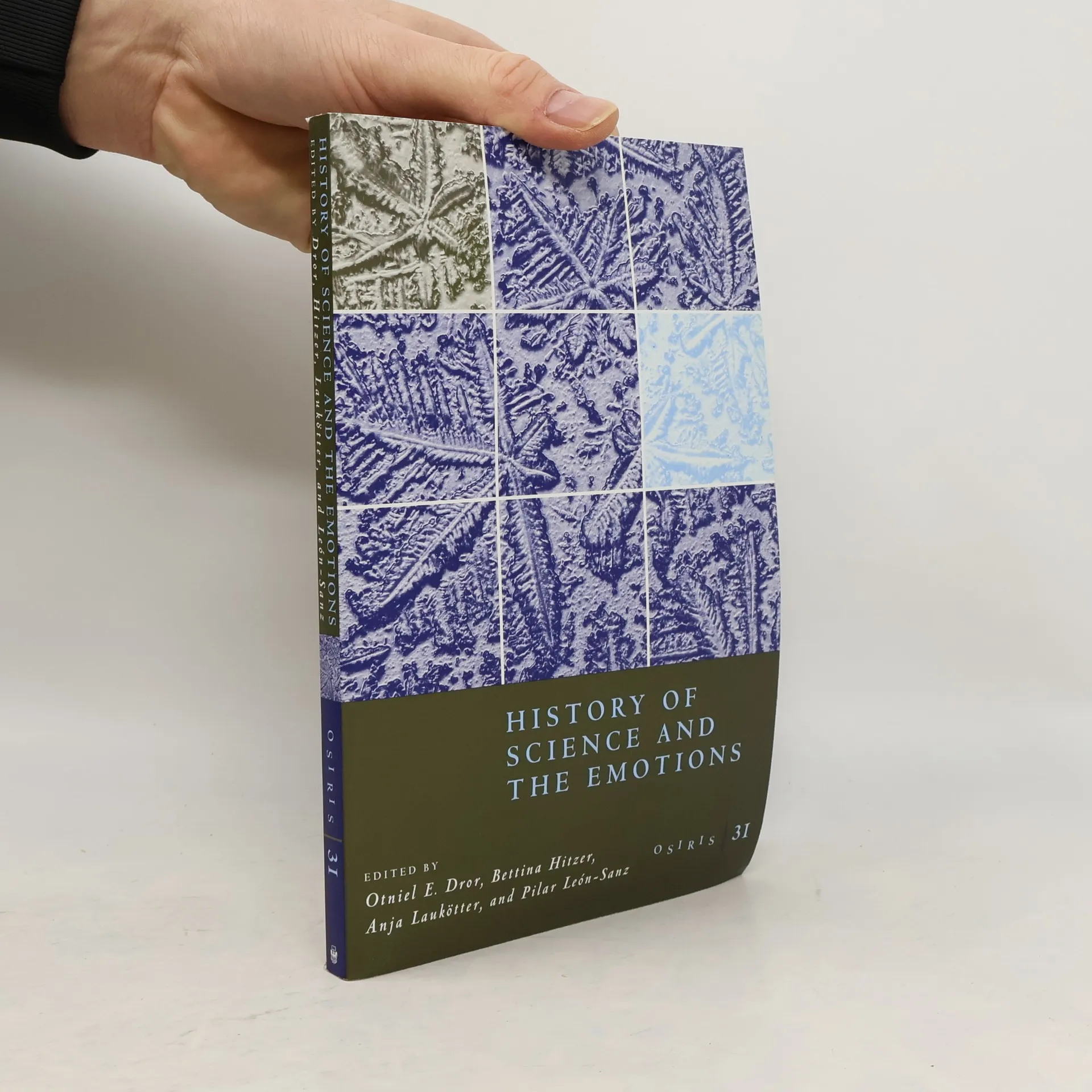
What new insights become available for historians when emotions are included as an analytical category? This volume of Osiris explores the historical interrelationships between science and its cultures and cultures of emotions. It argues that a dialogue between the history of emotions and the history of science leads to a rethinking of our categories of analysis, our subjects, and our periodizations. The ten case studies in the volume explore these possibilities and interrelationships across North America and Europe, between the twelfth and the twentieth centuries, in a variety of scientific disciplines. They analyze how scientific communities approached and explained the functions of emotions; how the concomitant positioning of emotions in or between body-mind-intersubjectivity took place; how emotions infused practices and how practices generated emotions; and, ultimately, how new and emerging identities of and criteria for emotions created new knowledge, new technologies, and new subjectivities.
Een boek kopen
Osiris, Volume 31, Auteurscollectief
- Taal

- Jaar van publicatie
- 2017
- Bindwijze
- (Paperback)
Betaalmethoden
We missen je recensie hier.
- Titel
- Osiris, Volume 31
- Ondertitel
- History of Science and the Emotions
- Taal
- Engels
- Auteurs
- Auteurscollectief
- Jaar van publicatie
- 2017
- Formaat
- Paperback
- Aantal pagina's
- 318
- ISBN10
- 022639204X
- ISBN13
- 9780226392042
- Reeks
- Beoordeling
- 5 van 5
- Aantekening
- What new insights become available for historians when emotions are included as an analytical category? This volume of Osiris explores the historical interrelationships between science and its cultures and cultures of emotions. It argues that a dialogue between the history of emotions and the history of science leads to a rethinking of our categories of analysis, our subjects, and our periodizations. The ten case studies in the volume explore these possibilities and interrelationships across North America and Europe, between the twelfth and the twentieth centuries, in a variety of scientific disciplines. They analyze how scientific communities approached and explained the functions of emotions; how the concomitant positioning of emotions in or between body-mind-intersubjectivity took place; how emotions infused practices and how practices generated emotions; and, ultimately, how new and emerging identities of and criteria for emotions created new knowledge, new technologies, and new subjectivities.