

Meer over het boek
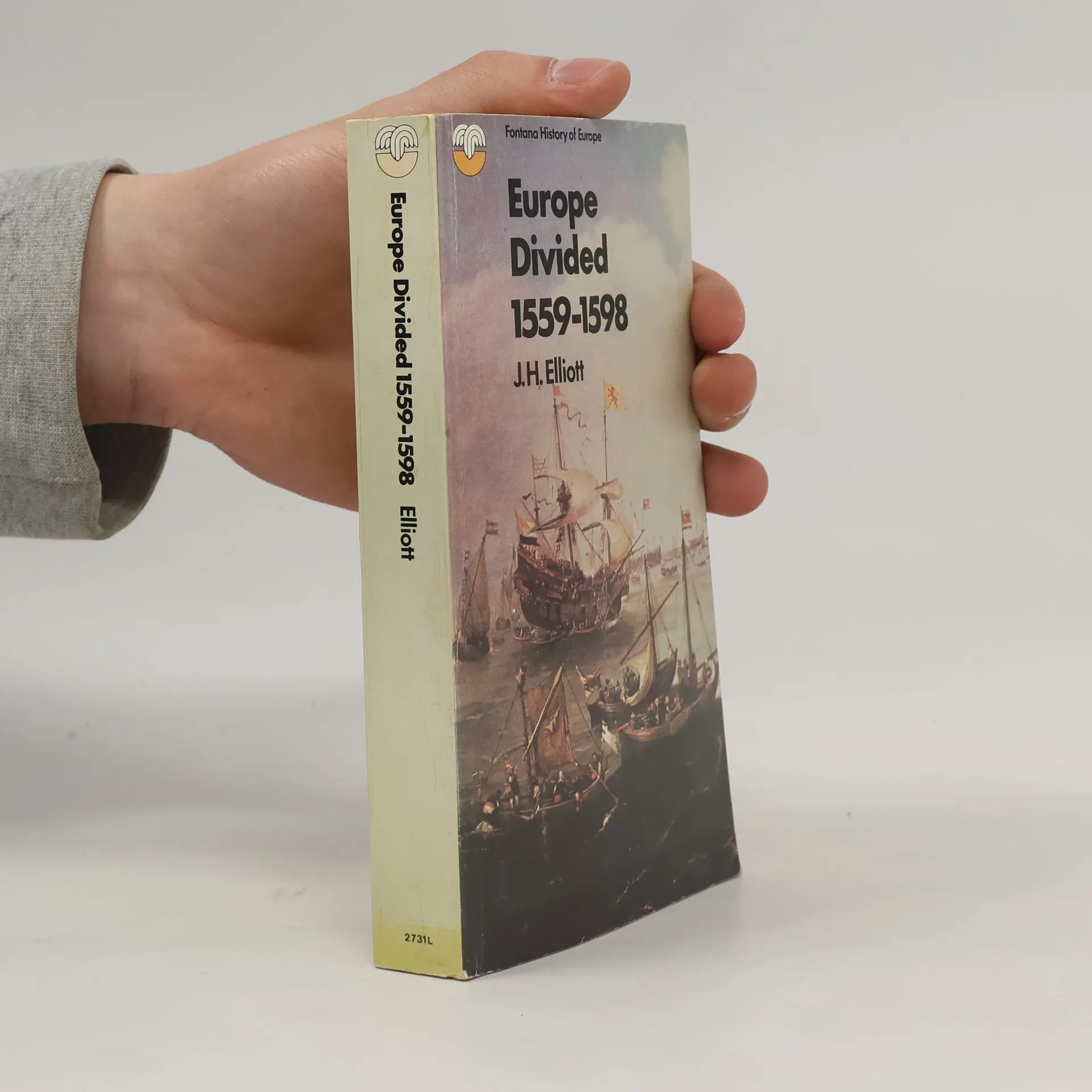
J.H. Elliott, a renowned expert on the historical period following the Reformation, analyzes in depth themes such as the demarcation between a Protestant Northern Europe and a Catholic Southern Europe in the late 16th century, the prosperous and expansionist economy of the West contrasted with the glaring poverty of the agrarian East, the birth of the Republic of the Netherlands, and the defeat of the Spanish Armada, as well as the confrontation with the Ottoman Empire. This historical period also witnesses a religious opening towards tolerance. During this time, the immense power of the Habsburg dynasty emerges, dominated by the strong personality of Philip II. The Papacy experiences a renewed strengthening of its influence, while Calvinism is associated with figures such as Catherine de' Medici, Queen Elizabeth, Henry IV, and Montaigne. The author's solid and well-constructed narrative style contributes to a vivid authenticity of these charismatic figures, thus immersing the reader in the specific universe of this era of transformations and conflicts.
Een boek kopen
Europe Divided, 1559-1598, Elliott J. Huntley
- Taal

- Jaar van publicatie
- Bindwijze
- (Paperback)
Betaalmethoden
We missen je recensie hier.
- Titel
- Europe Divided, 1559-1598
- Taal
- Engels
- Auteurs
- Elliott J. Huntley
- Uitgever
- William Collins Sons & Co.
- Formaat
- Paperback
- Aantal pagina's
- 432
- ISBN10
- 0006327311
- ISBN13
- 9780006327318
- Reeks
- Beoordeling
- 3,65 van 5
- Aantekening
- J.H. Elliott, a renowned expert on the historical period following the Reformation, analyzes in depth themes such as the demarcation between a Protestant Northern Europe and a Catholic Southern Europe in the late 16th century, the prosperous and expansionist economy of the West contrasted with the glaring poverty of the agrarian East, the birth of the Republic of the Netherlands, and the defeat of the Spanish Armada, as well as the confrontation with the Ottoman Empire. This historical period also witnesses a religious opening towards tolerance. During this time, the immense power of the Habsburg dynasty emerges, dominated by the strong personality of Philip II. The Papacy experiences a renewed strengthening of its influence, while Calvinism is associated with figures such as Catherine de' Medici, Queen Elizabeth, Henry IV, and Montaigne. The author's solid and well-constructed narrative style contributes to a vivid authenticity of these charismatic figures, thus immersing the reader in the specific universe of this era of transformations and conflicts.