

Meer over het boek
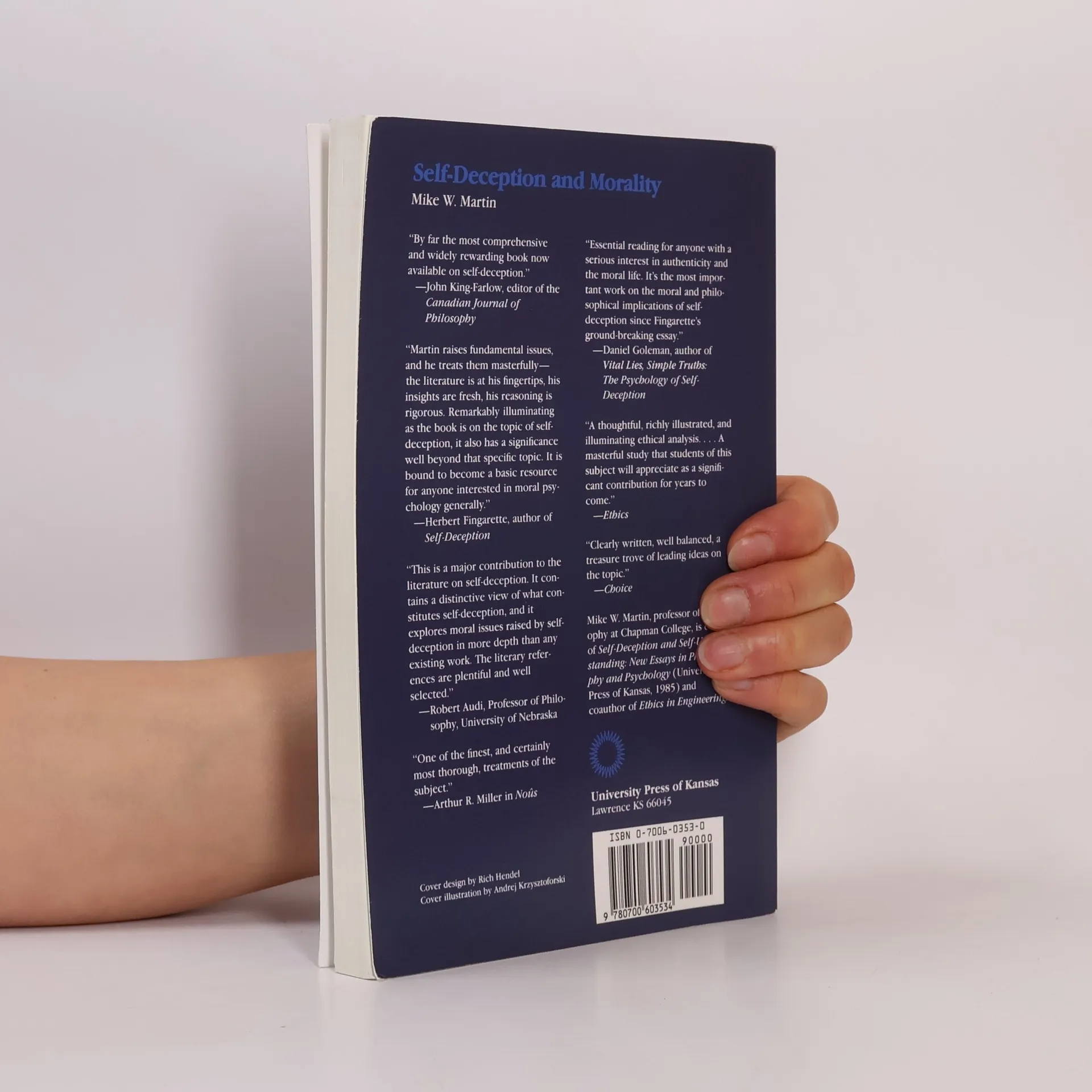
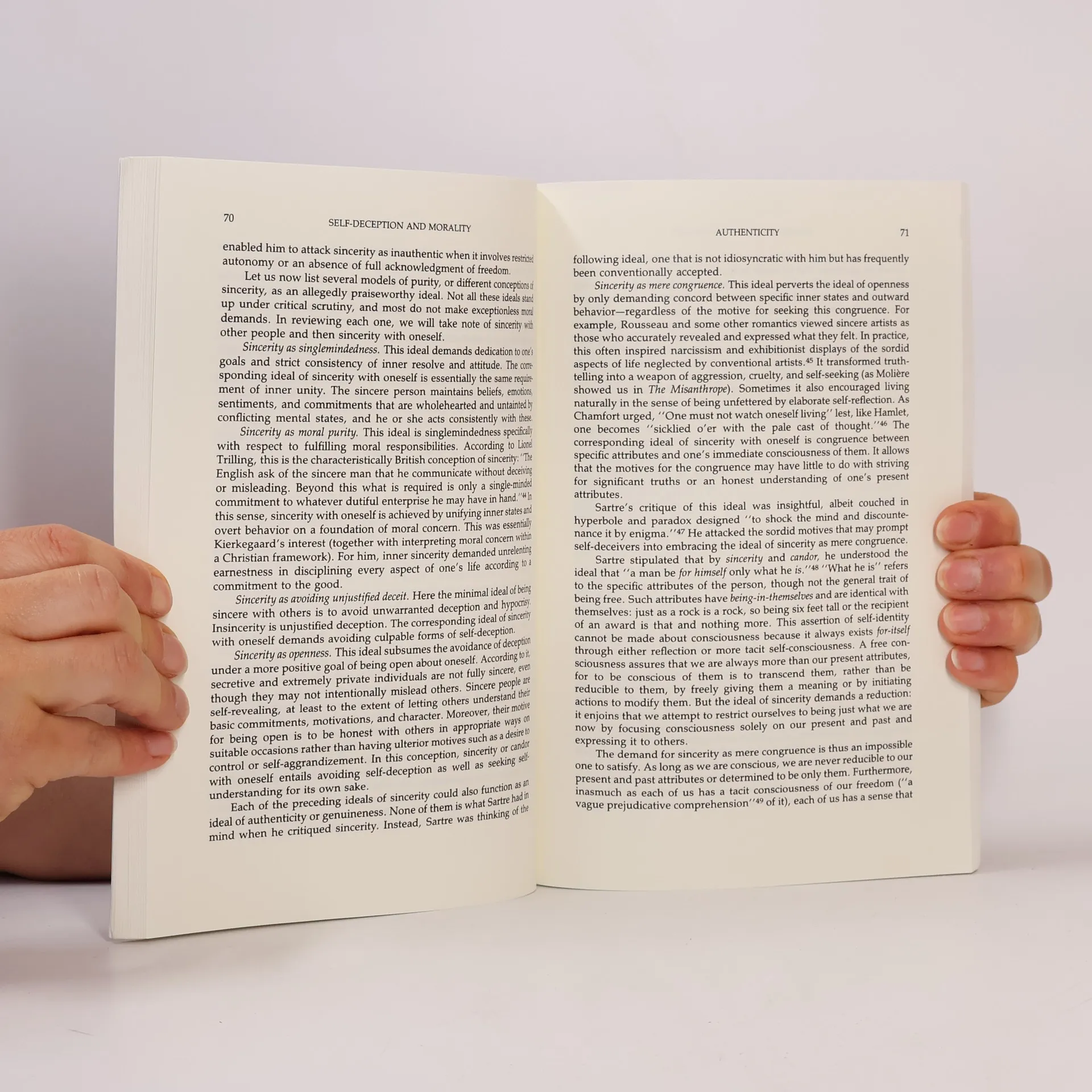
This book systematically examines the moral complexities of self-deception, emphasizing its significance in both ethical theory and applied ethics. It raises critical questions about self-deception's moral implications: Does it inherently involve guilt, and is it among the most serious evils? Is it sometimes acceptable, especially when it leads to negative outcomes? Can self-deception be seen as a form of innocence that warrants compassion? Or, paradoxically, are self-deceivers both culpable and innocent? The author develops a framework that defines self-deception as the intentional avoidance of acknowledging truths. He explores various moral perspectives from Western philosophy, clarifying related concepts such as sincerity, authenticity, and hypocrisy. By engaging with both philosophical figures like Kant and Kierkegaard and non-philosophical sources like Freud and Ibsen, the book illustrates the moral intricacies of self-deception. Its broad appeal challenges professional philosophers and psychologists while remaining accessible to students in ethics, philosophy of mind, and literature. Additionally, the rich literary examples provided will attract literary critics, making this a relevant and thought-provoking work for a diverse audience.
Een boek kopen
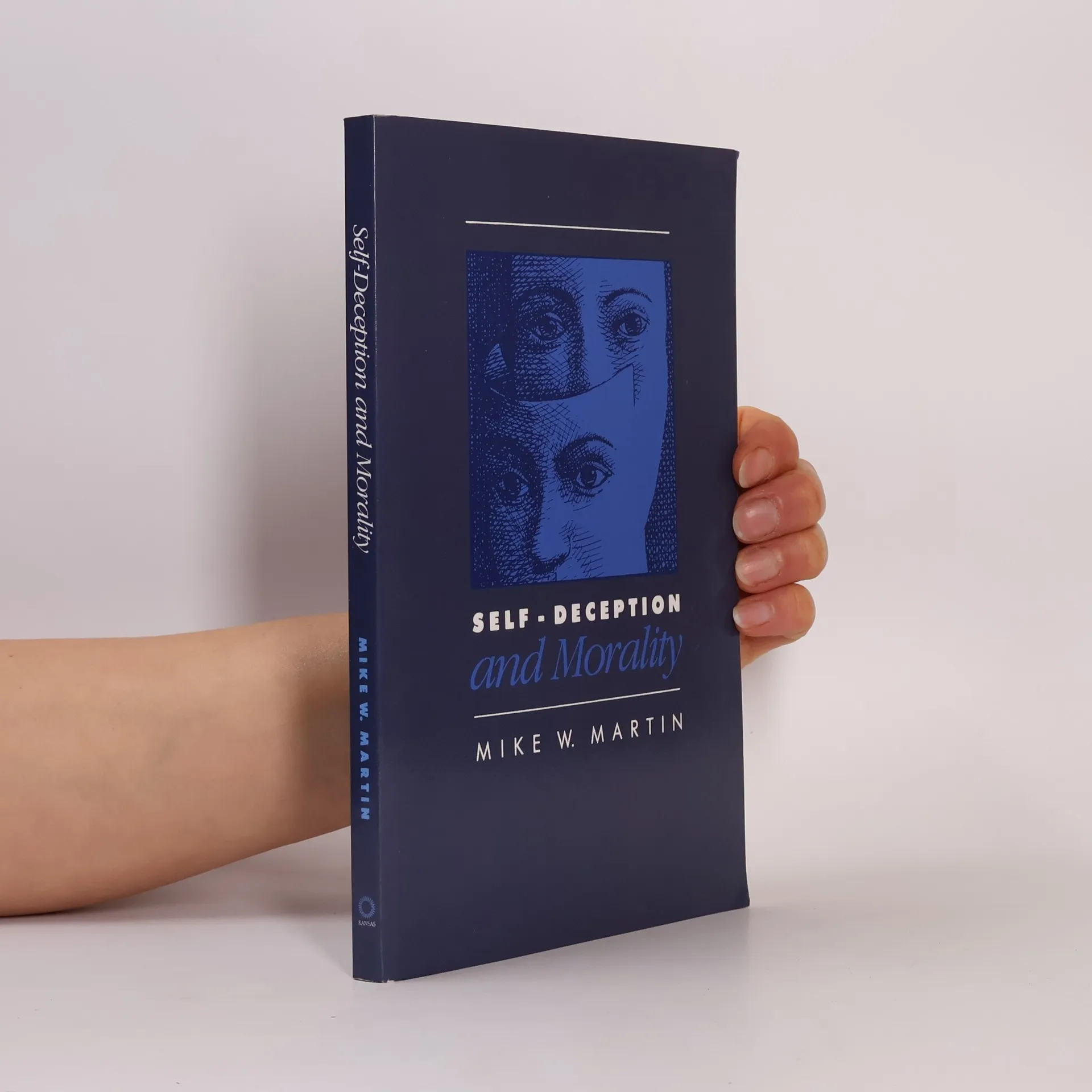
Self-Deception and Morality, Mike W. Martin
- Taal

- Jaar van publicatie
- 1986
- Bindwijze
- (Paperback)
Betaalmethoden
We missen je recensie hier.
- Titel
- Self-Deception and Morality
- Taal
- Engels
- Auteurs
- Mike W. Martin
- Uitgever
- University Press of Kansas
- Jaar van publicatie
- 1986
- Formaat
- Paperback
- Aantal pagina's
- 192
- ISBN10
- 0700603530
- ISBN13
- 9780700603534
- Reeks
- Categorieën
- Beoordeling
- 3,75 van 5
- Aantekening
- This book systematically examines the moral complexities of self-deception, emphasizing its significance in both ethical theory and applied ethics. It raises critical questions about self-deception's moral implications: Does it inherently involve guilt, and is it among the most serious evils? Is it sometimes acceptable, especially when it leads to negative outcomes? Can self-deception be seen as a form of innocence that warrants compassion? Or, paradoxically, are self-deceivers both culpable and innocent? The author develops a framework that defines self-deception as the intentional avoidance of acknowledging truths. He explores various moral perspectives from Western philosophy, clarifying related concepts such as sincerity, authenticity, and hypocrisy. By engaging with both philosophical figures like Kant and Kierkegaard and non-philosophical sources like Freud and Ibsen, the book illustrates the moral intricacies of self-deception. Its broad appeal challenges professional philosophers and psychologists while remaining accessible to students in ethics, philosophy of mind, and literature. Additionally, the rich literary examples provided will attract literary critics, making this a relevant and thought-provoking work for a diverse audience.