

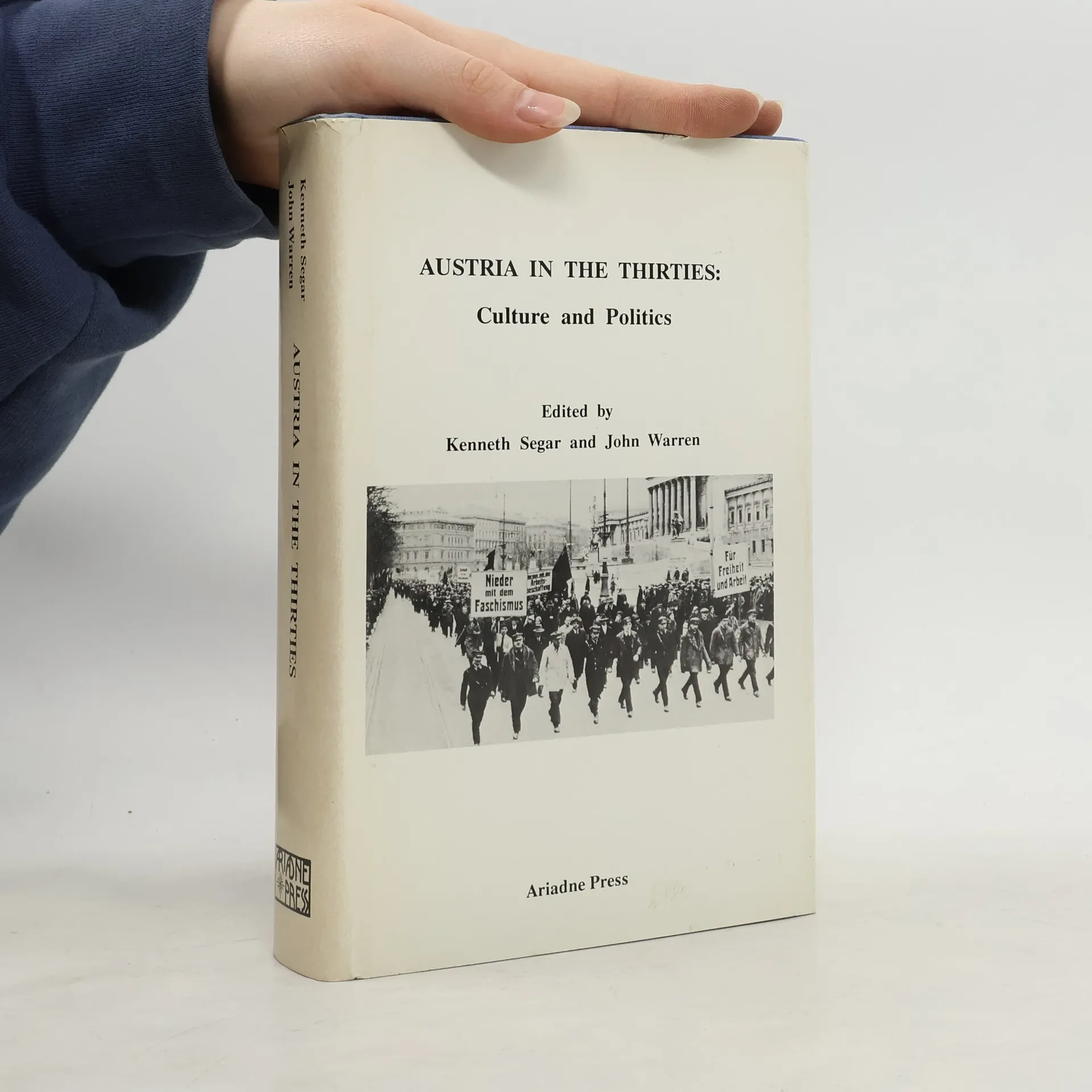
Studies in Austrian Literature, Culture, and Thought: Austria in the Thirties
Culture and Politics
Auteurs
Meer over het boek
These essays deal with the interaction between culture and politics during the period of the Austrian Corporate State, the five years preceding the Anschluss in 1938. The contributions show that no aspect of literary and cultural life remained unchanged by the National Socialist infiltration that took place in the 1930s. All Austrian writers, publishers, theater directors, and film makers had to decide whether to face economic penalty by opposing National Socialism and being blacklisted in Germany or to seek financial advantage by joining the Nazi movement. Jewish writers and political activists had no choice but were forced to flee into exile or face imprisonment in concentration camps after the Anschluss.
Een boek kopen
Studies in Austrian Literature, Culture, and Thought: Austria in the Thirties, John Warren, Kenneth Segar
- Taal

- Jaar van publicatie
- 1990
- Bindwijze
- (Hardcover)
Betaalmethoden
Nog niemand heeft beoordeeld.
- Titel
- Studies in Austrian Literature, Culture, and Thought: Austria in the Thirties
- Ondertitel
- Culture and Politics
- Taal
- Engels
- Auteurs
- John Warren, Kenneth Segar
- Uitgever
- Ariadne Press
- Jaar van publicatie
- 1990
- Formaat
- Hardcover
- Aantal pagina's
- 391
- ISBN10
- 0929497104
- ISBN13
- 9780929497105
- Reeks
- Aantekening
- These essays deal with the interaction between culture and politics during the period of the Austrian Corporate State, the five years preceding the Anschluss in 1938. The contributions show that no aspect of literary and cultural life remained unchanged by the National Socialist infiltration that took place in the 1930s. All Austrian writers, publishers, theater directors, and film makers had to decide whether to face economic penalty by opposing National Socialism and being blacklisted in Germany or to seek financial advantage by joining the Nazi movement. Jewish writers and political activists had no choice but were forced to flee into exile or face imprisonment in concentration camps after the Anschluss.