

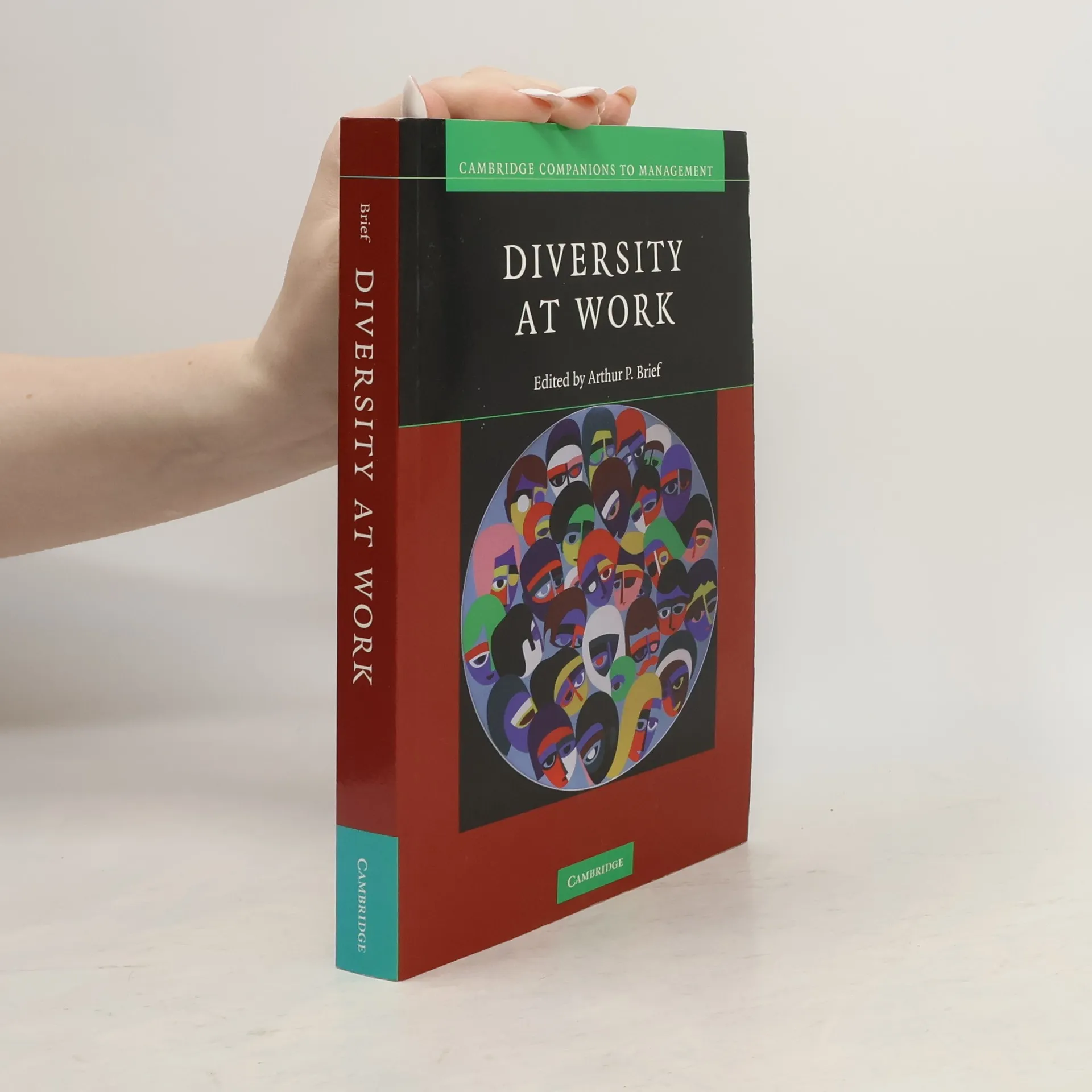


Cambridge Companions to Management: Diversity at Work
Auteurs
Parameters
- 388bladzijden
- 14 uur lezen
Meer over het boek
What effects do racism, sexism and other forms of discrimination have on the functioning of organizations? Is there a way of managing organizations such that we can benefit both the members of traditionally disadvantaged groups and the organizations in which they work? Discrimination on the basis of race or gender, whether implicit or explicit, is still commonplace in many organizations. Organizational scholars have long been aware that diversity leads to dysfunctional individual, group, and organizational outcomes. What is not well understood is precisely when and why such negative outcomes occur. In Diversity at Work, leading scholars in psychology, sociology, and management address these issues by presenting innovative theoretical ways of thinking about diversity in organizations. With each contribution challenging existing approaches to the study of organizational diversity, the book sets a demanding agenda for those seeking to create equality in the workplace.
Een boek kopen
Cambridge Companions to Management: Diversity at Work, Arthur P. Brief
- Taal

- Jaar van publicatie
- 2008
- Bindwijze
- (Paperback)
Betaalmethoden
Nog niemand heeft beoordeeld.
- Titel
- Cambridge Companions to Management: Diversity at Work
- Taal
- Engels
- Auteurs
- Arthur P. Brief
- Uitgever
- Cambridge University Press
- Jaar van publicatie
- 2008
- Formaat
- Paperback
- Aantal pagina's
- 388
- ISBN10
- 0521677637
- ISBN13
- 9780521677639
- Reeks
- Categorieën
- Tags
- Handel, Juridische thematiek, Samenleving, Verzamelde Werken, Pesten, Discriminatie, Bedrijfscultuur, Ongelijkheid
- Aantekening
- What effects do racism, sexism and other forms of discrimination have on the functioning of organizations? Is there a way of managing organizations such that we can benefit both the members of traditionally disadvantaged groups and the organizations in which they work? Discrimination on the basis of race or gender, whether implicit or explicit, is still commonplace in many organizations. Organizational scholars have long been aware that diversity leads to dysfunctional individual, group, and organizational outcomes. What is not well understood is precisely when and why such negative outcomes occur. In Diversity at Work, leading scholars in psychology, sociology, and management address these issues by presenting innovative theoretical ways of thinking about diversity in organizations. With each contribution challenging existing approaches to the study of organizational diversity, the book sets a demanding agenda for those seeking to create equality in the workplace.