

Boekbeoordeling
Parameters
- 344bladzijden
- 13 uur lezen
Meer over het boek
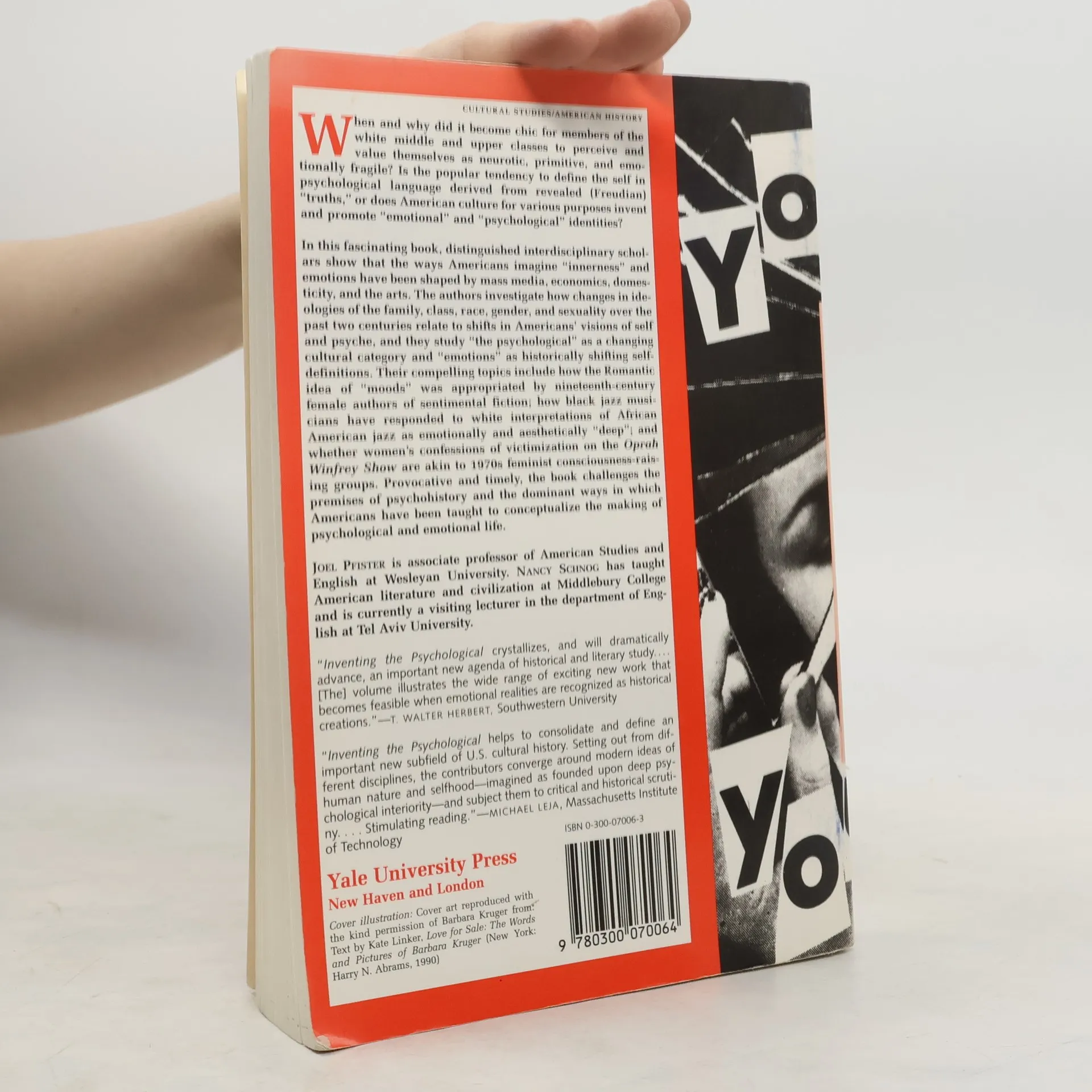
When did it become fashionable for the white middle and upper classes to see themselves as neurotic and emotionally fragile? Is the tendency to define the self in psychological terms rooted in Freudian insights, or does American culture create and promote these "emotional" identities for various reasons? This intriguing work features distinguished scholars who explore how Americans' perceptions of "innerness" and emotions have been influenced by mass media, economics, domesticity, and the arts. The authors examine the connections between evolving ideologies of family, class, race, gender, and sexuality over the past two centuries and shifts in self-perception. They analyze "the psychological" as a dynamic cultural concept and "emotions" as evolving self-definitions. Topics include the appropriation of the Romantic notion of "moods" by nineteenth-century female authors, the responses of black jazz musicians to white interpretations of their art as emotionally profound, and the parallels between women's confessions on the Oprah Winfrey Show and the feminist consciousness-raising of the 1970s. This thought-provoking and timely work challenges the foundations of psychohistory and the prevalent American narratives surrounding psychological and emotional life.
Een boek kopen
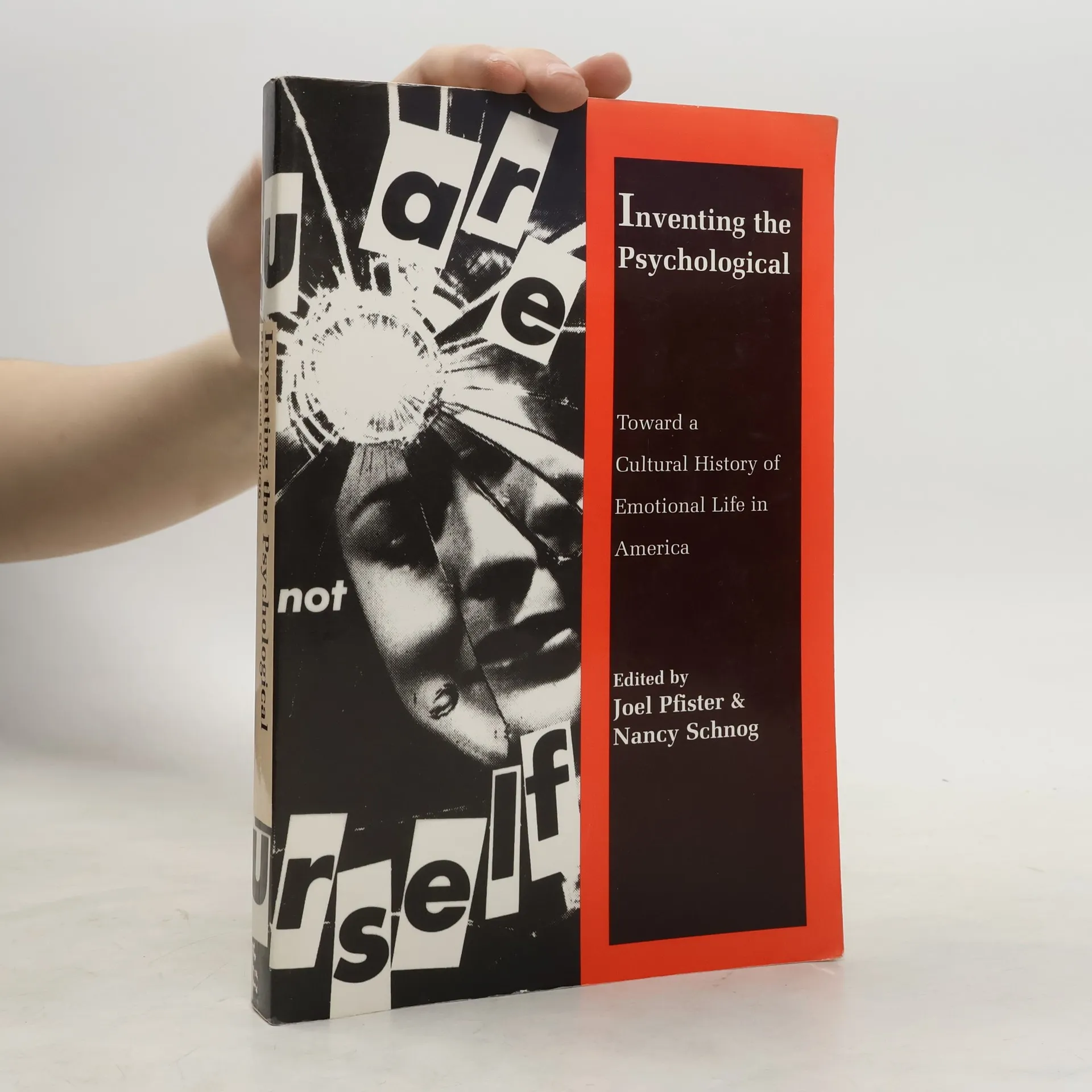
Inventing the Psychological, Joel Pfister, Nancy Schnog
- Taal

- Jaar van publicatie
- 1997
- Bindwijze
- (Paperback)
Betaalmethoden
We missen je recensie hier.
- Titel
- Inventing the Psychological
- Ondertitel
- Toward a Cultural History of Emotional Life in America
- Taal
- Engels
- Auteurs
- Joel Pfister, Nancy Schnog
- Uitgever
- Yale University Press
- Jaar van publicatie
- 1997
- Formaat
- Paperback
- Aantal pagina's
- 344
- ISBN10
- 0300070063
- ISBN13
- 9780300070064
- Reeks
- Categorieën
- Tags
- Handleidingen en Gidsen, Verenigde Staten, Cultuur en Samenleving, Psychotherapie, Sociale Psychologie, Amerikanen
- Beoordeling
- 3,4 van 5
- Aantekening
- When did it become fashionable for the white middle and upper classes to see themselves as neurotic and emotionally fragile? Is the tendency to define the self in psychological terms rooted in Freudian insights, or does American culture create and promote these "emotional" identities for various reasons? This intriguing work features distinguished scholars who explore how Americans' perceptions of "innerness" and emotions have been influenced by mass media, economics, domesticity, and the arts. The authors examine the connections between evolving ideologies of family, class, race, gender, and sexuality over the past two centuries and shifts in self-perception. They analyze "the psychological" as a dynamic cultural concept and "emotions" as evolving self-definitions. Topics include the appropriation of the Romantic notion of "moods" by nineteenth-century female authors, the responses of black jazz musicians to white interpretations of their art as emotionally profound, and the parallels between women's confessions on the Oprah Winfrey Show and the feminist consciousness-raising of the 1970s. This thought-provoking and timely work challenges the foundations of psychohistory and the prevalent American narratives surrounding psychological and emotional life.