



Meer over het boek
Knowledge about diagnostic procedures in melanoma has advanced rapidly in recent years, particularly with the identification of single tumor cells in normal tissues like sentinel lymph nodes, bone marrow, and peripheral blood through molecular technologies. The introduction of polymerase chain reaction-based methods marks a significant shift towards molecular approaches in diagnostics, potentially influencing treatment strategies for patients. However, there are notable discrepancies in the success rates of these new techniques for detecting minimal residual disease in cancer patients. While various studies have reported favorable outcomes, it will take time to establish the clinical and pathophysiological relevance of these new diagnostic methods. The 1st International Symposium on Minimal Residual Disease in Melanoma, held in September 1999 in Homburg/Saar, Germany, aimed to discuss recent advancements in this area of cancer research. The event fostered dialogue and the exchange of new data among leading international scientists. This volume summarizes key topics from basic research and clinical investigations presented by invited experts, highlighting the ongoing exploration and challenges in the field of melanoma research.
Een boek kopen
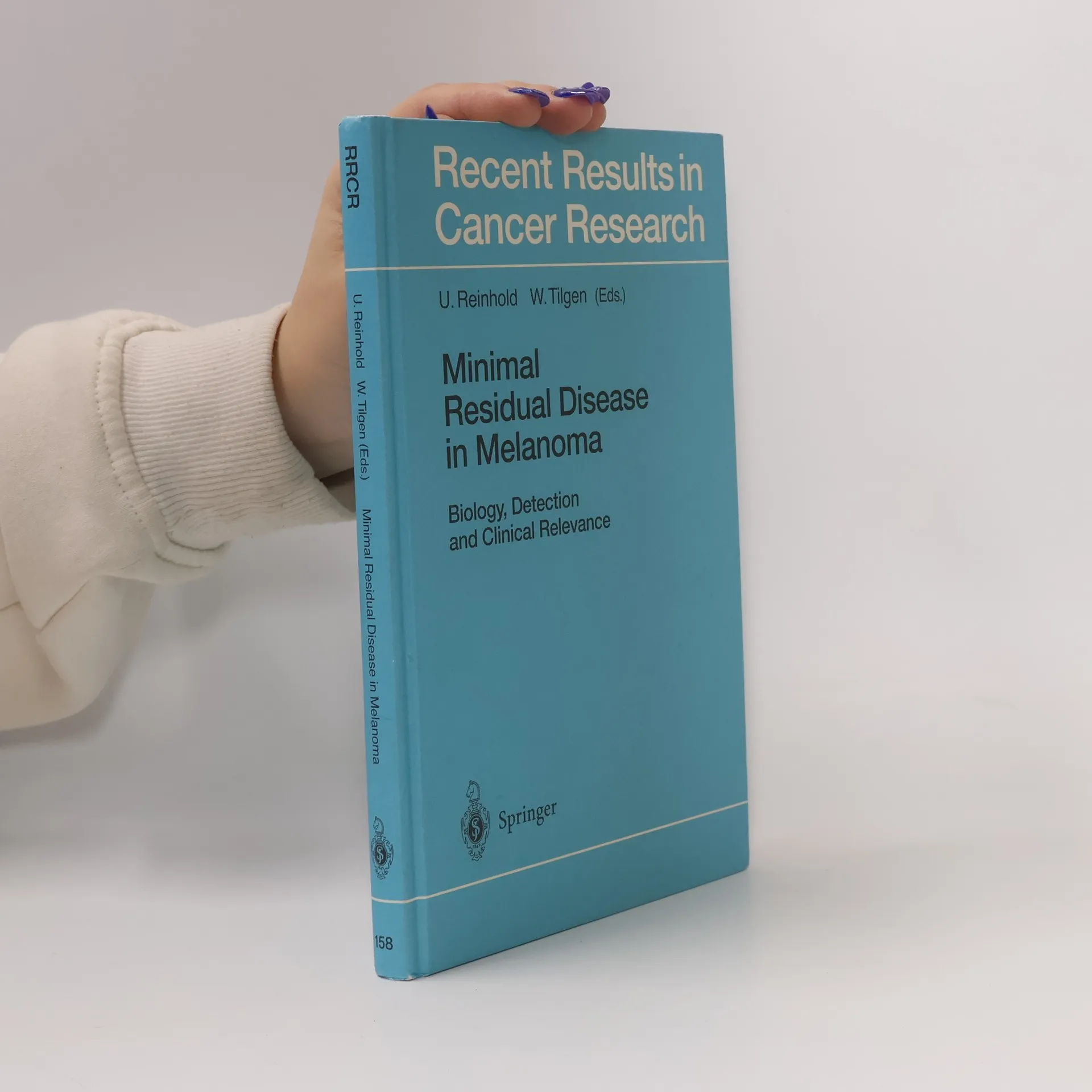
Recent Results in Cancer Research - 158: Minimal Residual Disease in Melanoma, Uwe Reinhold, W. Tilgen
- Taal

- Jaar van publicatie
- 2000
- Bindwijze
- (Hardcover)
Betaalmethoden
Nog niemand heeft beoordeeld.
- Titel
- Recent Results in Cancer Research - 158: Minimal Residual Disease in Melanoma
- Ondertitel
- Biology, Detection and Clinical Relevance
- Taal
- Engels
- Auteurs
- Uwe Reinhold, W. Tilgen
- Uitgever
- Springer
- Jaar van publicatie
- 2000
- Formaat
- Hardcover
- Aantal pagina's
- 280
- ISBN10
- 3540673490
- ISBN13
- 9783540673491
- Reeks
- Categorieën
- Tags
- Gezondheid & Medisch, Wetenschap, Geneeskunde, Onderzoek, West-Europa, Kanker, tumoren, Oncologie, Moleculaire biologie, Dermatologie, Medisch Onderzoek
- Aantekening
- Knowledge about diagnostic procedures in melanoma has advanced rapidly in recent years, particularly with the identification of single tumor cells in normal tissues like sentinel lymph nodes, bone marrow, and peripheral blood through molecular technologies. The introduction of polymerase chain reaction-based methods marks a significant shift towards molecular approaches in diagnostics, potentially influencing treatment strategies for patients. However, there are notable discrepancies in the success rates of these new techniques for detecting minimal residual disease in cancer patients. While various studies have reported favorable outcomes, it will take time to establish the clinical and pathophysiological relevance of these new diagnostic methods. The 1st International Symposium on Minimal Residual Disease in Melanoma, held in September 1999 in Homburg/Saar, Germany, aimed to discuss recent advancements in this area of cancer research. The event fostered dialogue and the exchange of new data among leading international scientists. This volume summarizes key topics from basic research and clinical investigations presented by invited experts, highlighting the ongoing exploration and challenges in the field of melanoma research.