

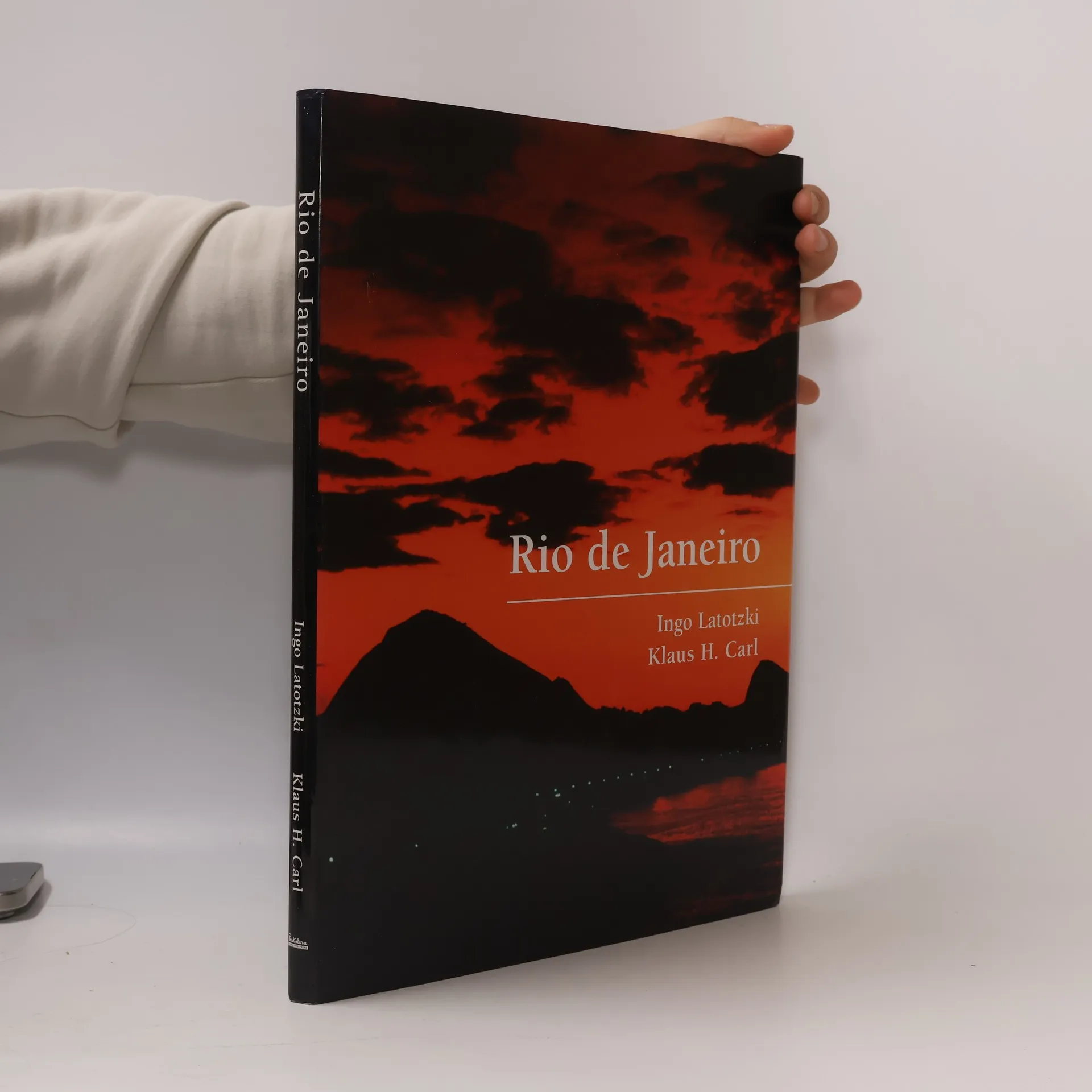
Great Cities Series: Rio de Janeiro
Auteurs
Meer over het boek
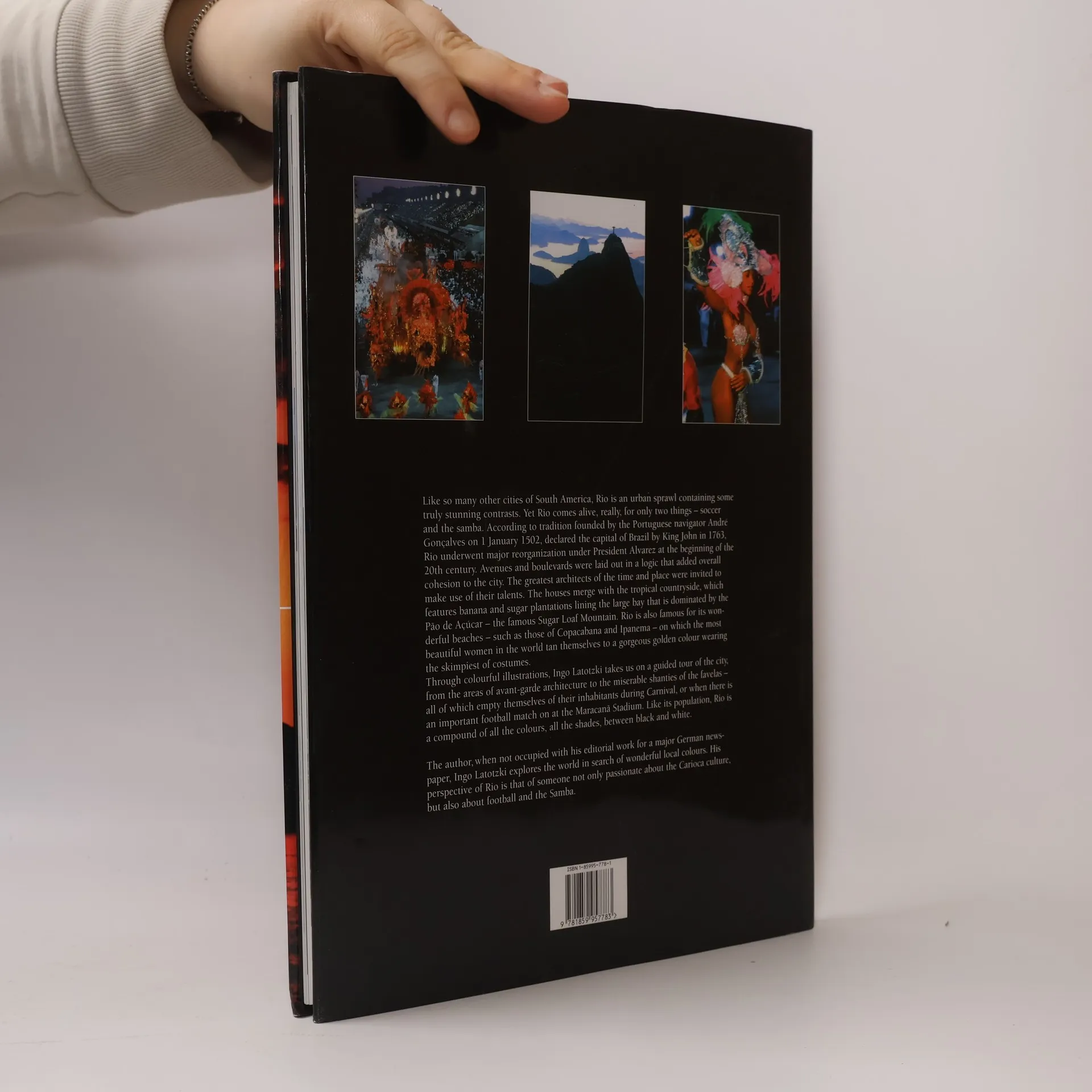
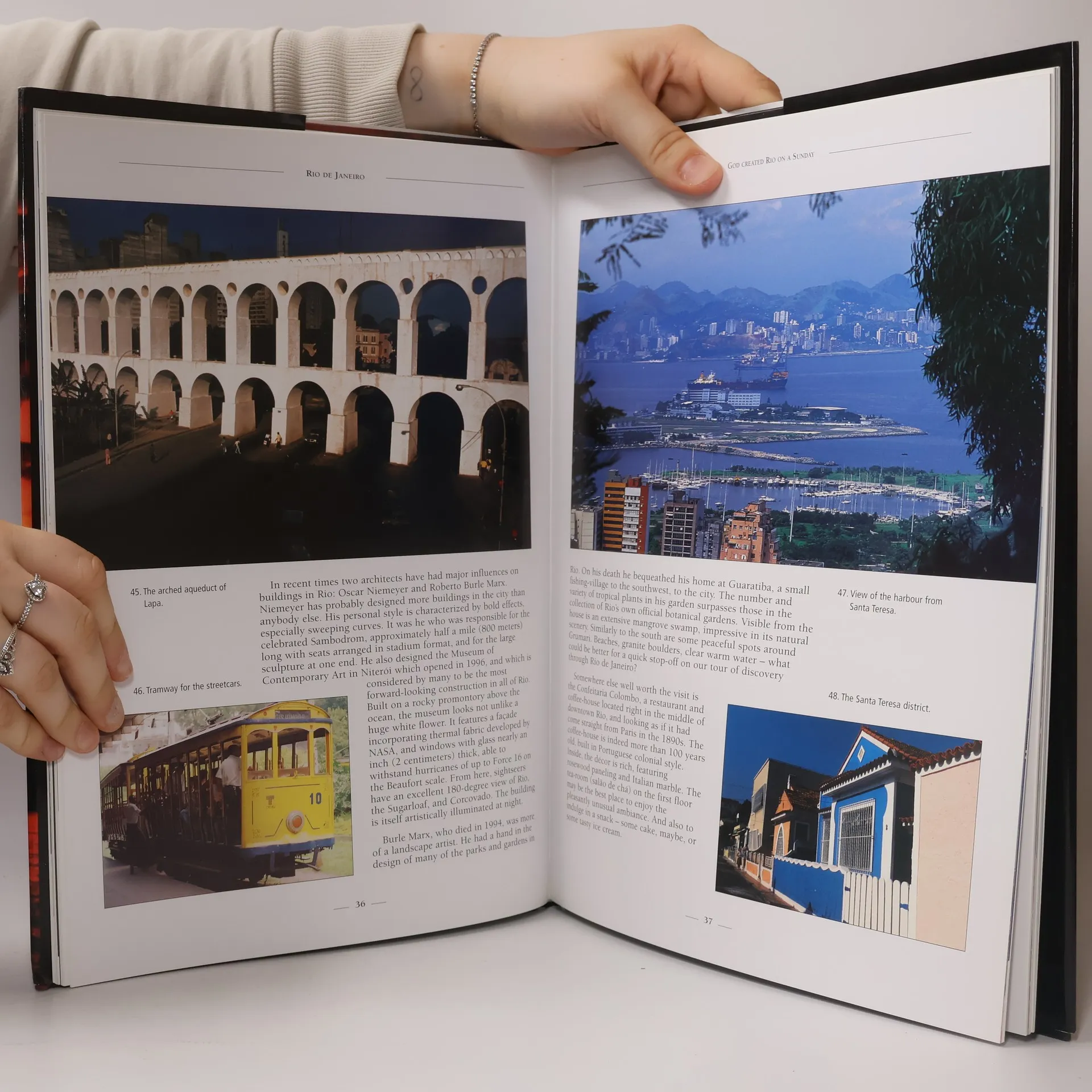
Like so many other cities of South America, Rio is an urban sprawl containing some truly stunning contrasts. Yet Rio comes alive, really, for only two things -- soccer and the samba. According to tradition founded by the Portuguese navigator Andre Goncalves on 1 January 1502, declared the capital of Brazil by King John in 1763, Rio underwent major reorganization under President Alvarez at the beginning of the 20th century. Avenues and boulevards were laid out in a logic that added overall cohesion to the city. The greatest architects of the time and place were invited to make use of their talents. The houses merge with the tropical countryside, which features banana and sugar plantations lining the large bay that is dominated by the Pao de Acucar -- the famous Sugar Loaf Mountain. Rio is also famous for its wonderful beaches -- such as those of Copacabana and Ipanema -- on which the most beautiful women in the world tan themselves to a gorgeous golden colour wearing the skimpiest of costumes.Through colourful illustrations, Ingo Latotzki takes us on a guided tour of the city, from the areas of avant-garde architecture to the miserable shanties of the favelas -- all of which empty themselves of their inhabitants during Carnival, or when there is an important football match on at the Maracana Stadium. Like its population, Rio is a compound of all the colours, all the shades, between black and white.
Een boek kopen
Great Cities Series: Rio de Janeiro, Klaus H. Carl, Ingo Latotzki
- Taal

- Jaar van publicatie
- 2001
- Bindwijze
- (Hardcover)
Betaalmethoden
Nog niemand heeft beoordeeld.
- Titel
- Great Cities Series: Rio de Janeiro
- Taal
- Engels
- Auteurs
- Klaus H. Carl, Ingo Latotzki
- Uitgever
- Parkstone Press
- Jaar van publicatie
- 2001
- Formaat
- Hardcover
- Aantal pagina's
- 96
- ISBN10
- 1859957781
- ISBN13
- 9781859957783
- Reeks
- Categorieën
- Aantekening
- Like so many other cities of South America, Rio is an urban sprawl containing some truly stunning contrasts. Yet Rio comes alive, really, for only two things -- soccer and the samba. According to tradition founded by the Portuguese navigator Andre Goncalves on 1 January 1502, declared the capital of Brazil by King John in 1763, Rio underwent major reorganization under President Alvarez at the beginning of the 20th century. Avenues and boulevards were laid out in a logic that added overall cohesion to the city. The greatest architects of the time and place were invited to make use of their talents. The houses merge with the tropical countryside, which features banana and sugar plantations lining the large bay that is dominated by the Pao de Acucar -- the famous Sugar Loaf Mountain. Rio is also famous for its wonderful beaches -- such as those of Copacabana and Ipanema -- on which the most beautiful women in the world tan themselves to a gorgeous golden colour wearing the skimpiest of costumes.Through colourful illustrations, Ingo Latotzki takes us on a guided tour of the city, from the areas of avant-garde architecture to the miserable shanties of the favelas -- all of which empty themselves of their inhabitants during Carnival, or when there is an important football match on at the Maracana Stadium. Like its population, Rio is a compound of all the colours, all the shades, between black and white.