

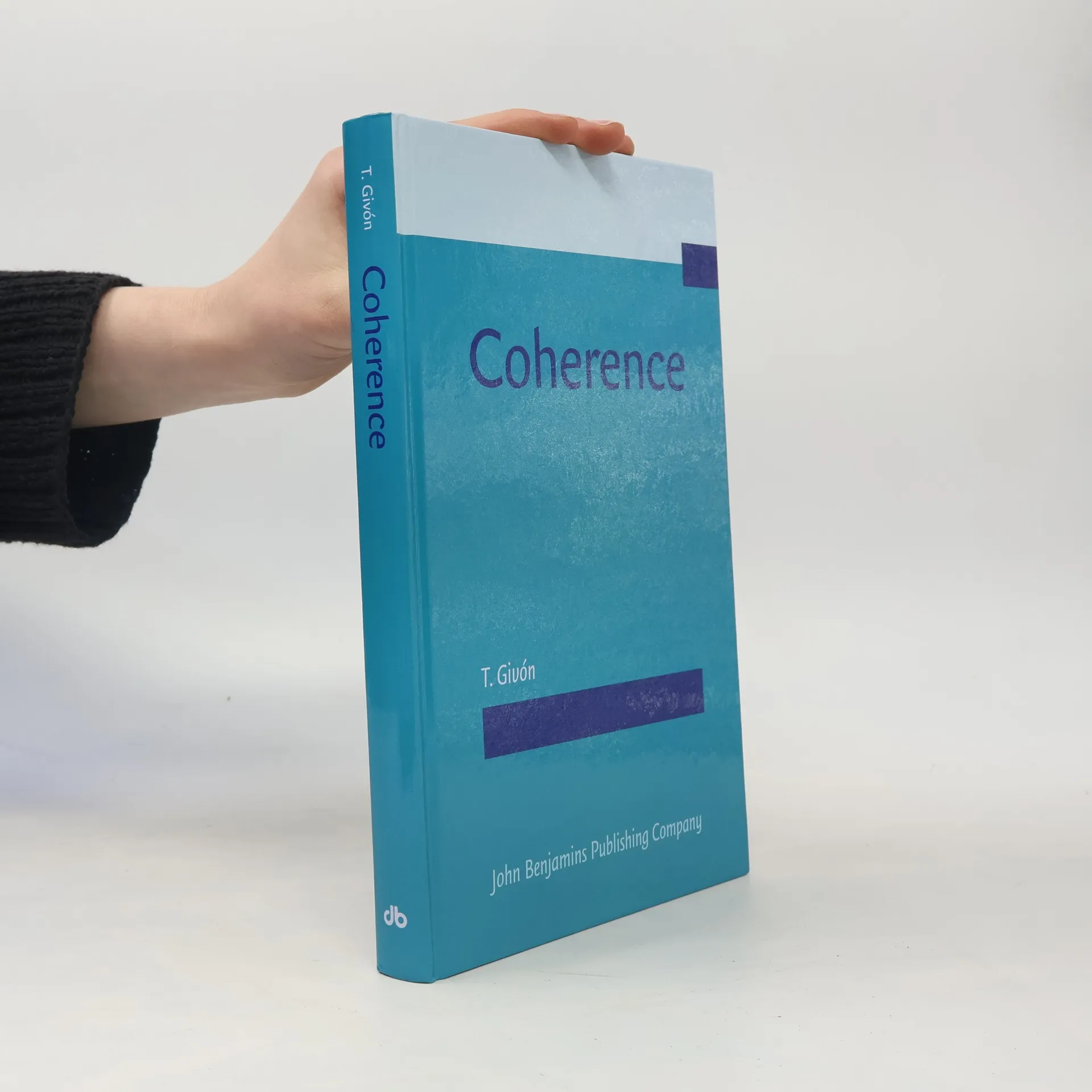


Meer over het boek
Coherence, connectivity, and the integration of smaller parts into larger structures define complex biologically-based systems. As an internal constraint, coherence enables parts to function as a whole, while as an external constraint, it allows systems to evolve and adapt. It also influences information processing, making new knowledge accessible to developing minds. In social contexts, coherence fosters empathy and cooperation among group members, and in communication, it facilitates understanding between speakers and listeners. Part I examines coherence in the evolution of biological design, progressing from precellular to multicellular organisms and sentient beings. It investigates the hierarchic design of the mind-brain, focusing on the coherent organization of major brain systems such as perception, attention, motor control, memory, and language. Additionally, it analyzes the coherence of cultures, highlighting the Society of Intimates as a model for social cohesion and cooperation. Part II addresses language and communication, exploring the organization of semantic memory, event clauses, and the significance of grammar in coherent communication. Part III discusses three overarching themes: the role of coherence in organized science, the tension between selfish and social motivations in functioning cultures, and the delicate balance between homogeneity and diversity in large-scale societies.
Een boek kopen
Coherence, Talmy Givón
- Taal

- Jaar van publicatie
- 2020
- Bindwijze
- (Hardcover),
- Staat van het boek
- Zeer goed
- Prijs
- € 18,99
Betaalmethoden
Nog niemand heeft beoordeeld.
- Titel
- Coherence
- Taal
- Engels
- Auteurs
- Talmy Givón
- Jaar van publicatie
- 2020
- Formaat
- Hardcover
- Aantal pagina's
- 305
- ISBN10
- 9027207496
- ISBN13
- 9789027207494
- Reeks
- Aantekening
- Coherence, connectivity, and the integration of smaller parts into larger structures define complex biologically-based systems. As an internal constraint, coherence enables parts to function as a whole, while as an external constraint, it allows systems to evolve and adapt. It also influences information processing, making new knowledge accessible to developing minds. In social contexts, coherence fosters empathy and cooperation among group members, and in communication, it facilitates understanding between speakers and listeners. Part I examines coherence in the evolution of biological design, progressing from precellular to multicellular organisms and sentient beings. It investigates the hierarchic design of the mind-brain, focusing on the coherent organization of major brain systems such as perception, attention, motor control, memory, and language. Additionally, it analyzes the coherence of cultures, highlighting the Society of Intimates as a model for social cohesion and cooperation. Part II addresses language and communication, exploring the organization of semantic memory, event clauses, and the significance of grammar in coherent communication. Part III discusses three overarching themes: the role of coherence in organized science, the tension between selfish and social motivations in functioning cultures, and the delicate balance between homogeneity and diversity in large-scale societies.