

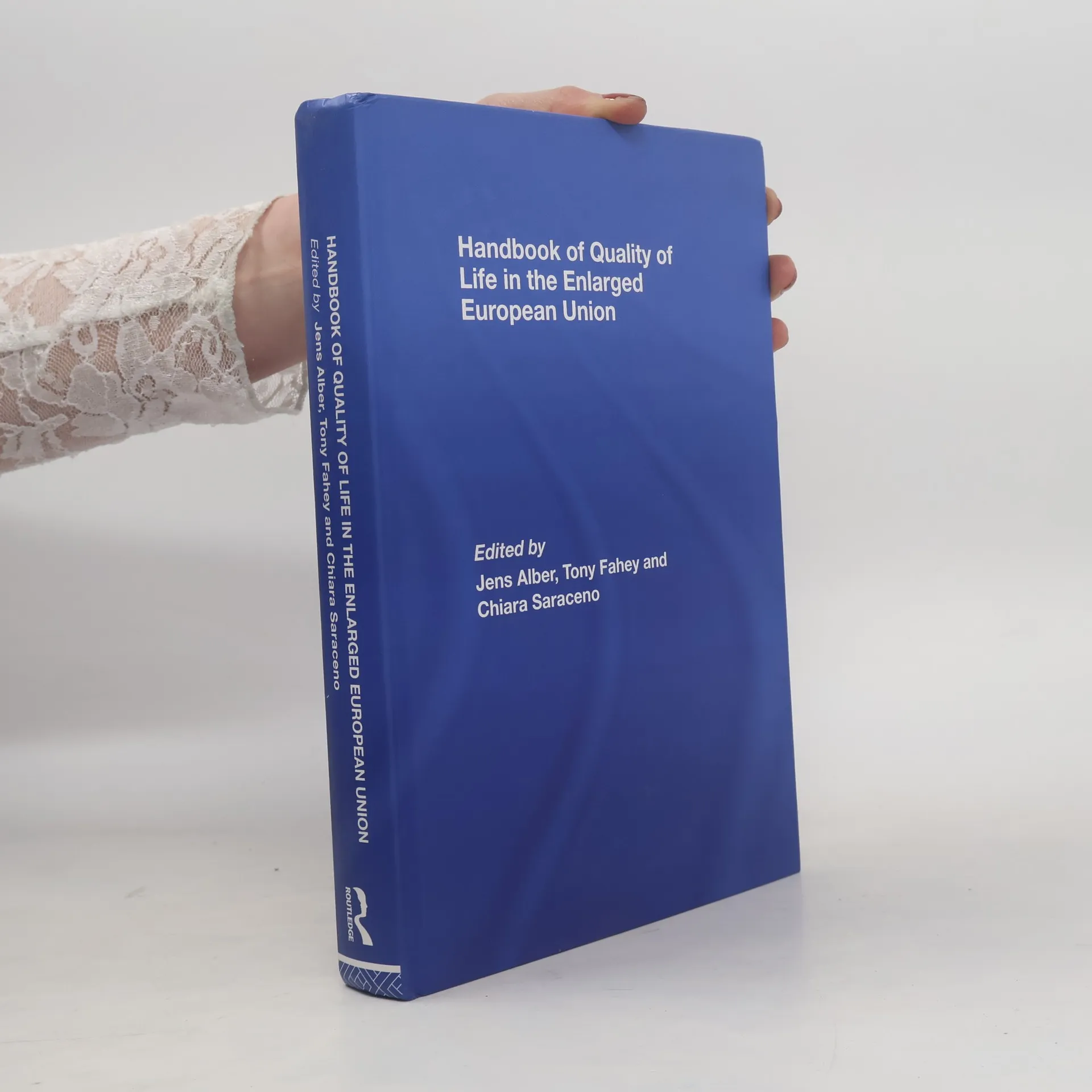


Meer over het boek
Recent enlargement to the east made the European Union a more diverse social space and brought it into more direct contact with the social and cultural aftermath of communism. Sound empirical knowledge on heterogeneity and homogeneity in European societies after the EU enlargement is lacking. By bringing together a collection of informative analyses of key domains of social life in the new member states and candidate countries, viewed in comparison both to each other and to the 'old' EU-15, this handbook will help social scientists, policy makers and other observers cope with the unfamiliarity of this new world. In particular, it examines the implications of the new member states’ membership for the future course of EU integration. This substantial text contains seventeen chapters with a focus on social conditions, such Making use of a range of data, this handbook will be an essential resource for undergraduate and postgraduate students and researchers of Sociology, Social Policy and Welfare, European Studies and European Union Policy.
Een boek kopen
Handbook of Quality of Life in the Enlarged European Union, Jens Alber, Tony Fahey, Chiara Saraceno
- Taal

- Jaar van publicatie
- 2007
- Bindwijze
- (Hardcover)
Betaalmethoden
Nog niemand heeft beoordeeld.
- Titel
- Handbook of Quality of Life in the Enlarged European Union
- Taal
- Engels
- Auteurs
- Jens Alber, Tony Fahey, Chiara Saraceno
- Uitgever
- Routledge
- Jaar van publicatie
- 2007
- Formaat
- Hardcover
- Aantal pagina's
- 430
- ISBN10
- 0415424674
- ISBN13
- 9780415424677
- Reeks
- Categorieën
- Tags
- Sociale Politiek
- Aantekening
- Recent enlargement to the east made the European Union a more diverse social space and brought it into more direct contact with the social and cultural aftermath of communism. Sound empirical knowledge on heterogeneity and homogeneity in European societies after the EU enlargement is lacking. By bringing together a collection of informative analyses of key domains of social life in the new member states and candidate countries, viewed in comparison both to each other and to the 'old' EU-15, this handbook will help social scientists, policy makers and other observers cope with the unfamiliarity of this new world. In particular, it examines the implications of the new member states’ membership for the future course of EU integration. This substantial text contains seventeen chapters with a focus on social conditions, such Making use of a range of data, this handbook will be an essential resource for undergraduate and postgraduate students and researchers of Sociology, Social Policy and Welfare, European Studies and European Union Policy.