

Meer over het boek
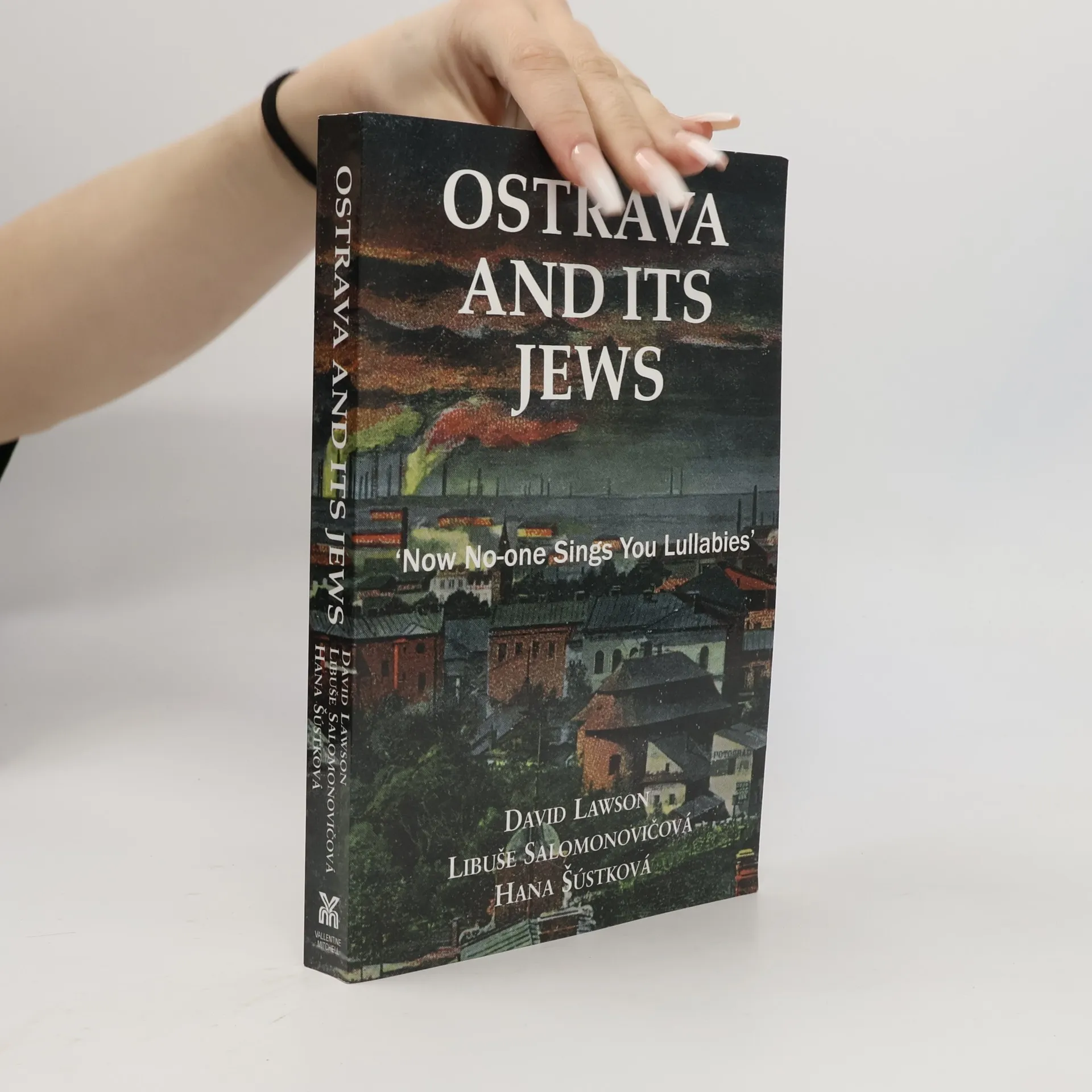
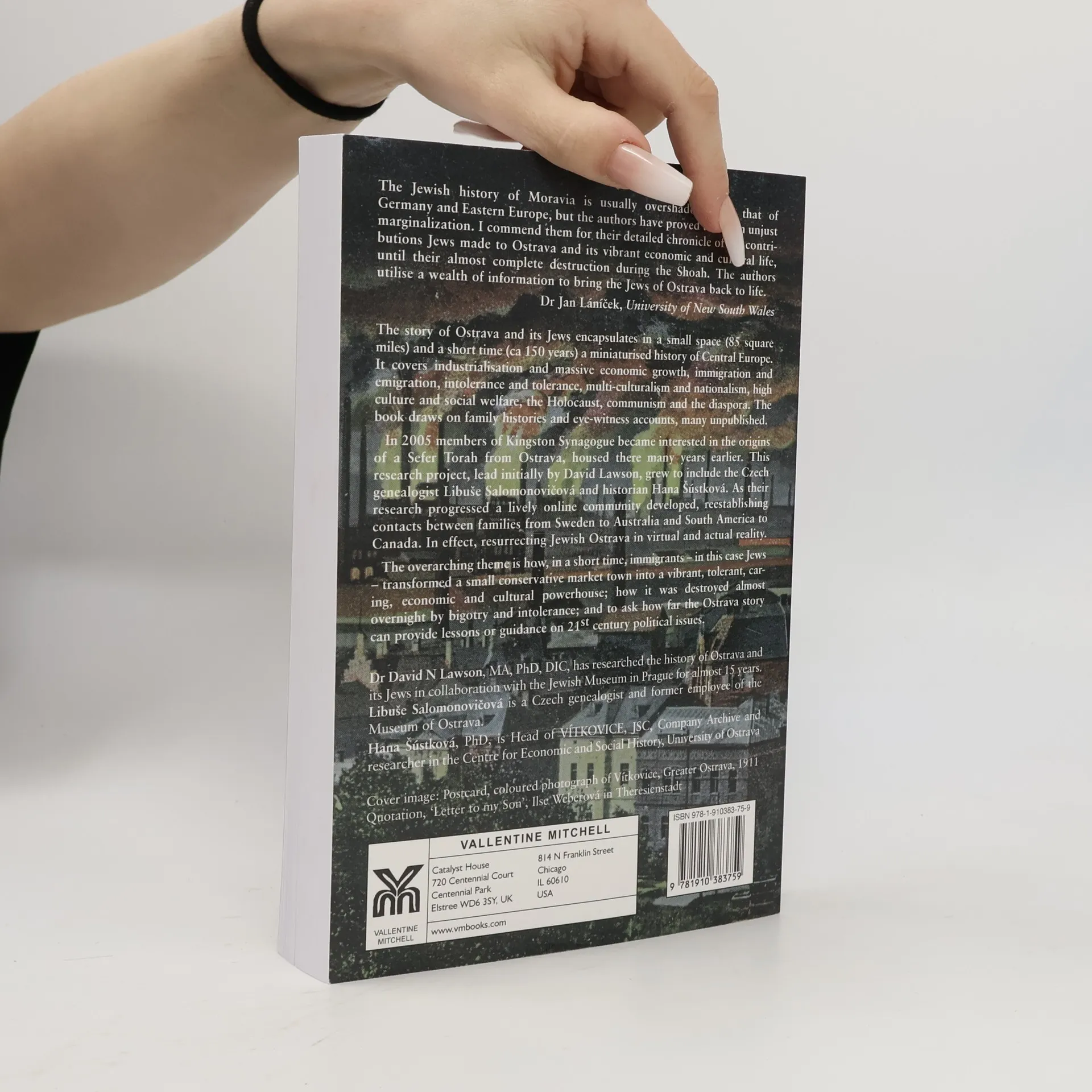
The story of Ostrava and its Jews encapsulates in a small space (85 square miles) and a short time (ca. 150 years) a miniaturized history of Central Europe. It covers industrialization and massive economic growth, immigration and emigration, intolerance and tolerance, multi-culturalism and nationalism, high culture and social welfare, the Holocaust, communism and the diaspora. The book draws on family histories and eye-witness accounts, many unpublished. In 2005 members of Kingston Synagogue became interested in the origins of a Sefer Torah from Ostrava, housed there many years earlier. This research project, led initially by David Lawson, grew to include the Czech historian Hana Sustkova and Czech genealogist Libuse Salomonovicova. As their research progressed, a lively online community developed, reestablishing contacts between families from Sweden to Australia, and South America to Canada. In effect, resurrecting Jewish Ostrava in virtual and actual reality. The overarching theme is how, in a short time, immigrants-in this case Jews-transformed a small conservative market town into a vibrant, tolerant, caring, economic, and cultural powerhouse; how it was destroyed almost overnight by bigotry and intolerance; and to ask how far the Ostrava story can provide lessons or guidance on 21st century political issues.
Een boek kopen
Ostrava and its Jews, David Lawson, Libuše Salomonovičová, Hana Šustková
- Taal

- Jaar van publicatie
- 2018
- Bindwijze
- (Paperback)
Betaalmethoden
Nog niemand heeft beoordeeld.
- Titel
- Ostrava and its Jews
- Taal
- Engels
- Uitgever
- Vallentine Mitchell & Co Ltd
- Jaar van publicatie
- 2018
- Formaat
- Paperback
- Aantal pagina's
- 408
- ISBN10
- 1910383759
- ISBN13
- 9781910383759
- Reeks
- Categorieën
- Aantekening
- The story of Ostrava and its Jews encapsulates in a small space (85 square miles) and a short time (ca. 150 years) a miniaturized history of Central Europe. It covers industrialization and massive economic growth, immigration and emigration, intolerance and tolerance, multi-culturalism and nationalism, high culture and social welfare, the Holocaust, communism and the diaspora. The book draws on family histories and eye-witness accounts, many unpublished. In 2005 members of Kingston Synagogue became interested in the origins of a Sefer Torah from Ostrava, housed there many years earlier. This research project, led initially by David Lawson, grew to include the Czech historian Hana Sustkova and Czech genealogist Libuse Salomonovicova. As their research progressed, a lively online community developed, reestablishing contacts between families from Sweden to Australia, and South America to Canada. In effect, resurrecting Jewish Ostrava in virtual and actual reality. The overarching theme is how, in a short time, immigrants-in this case Jews-transformed a small conservative market town into a vibrant, tolerant, caring, economic, and cultural powerhouse; how it was destroyed almost overnight by bigotry and intolerance; and to ask how far the Ostrava story can provide lessons or guidance on 21st century political issues.