



Parameters
- 199bladzijden
- 7 uur lezen
Meer over het boek
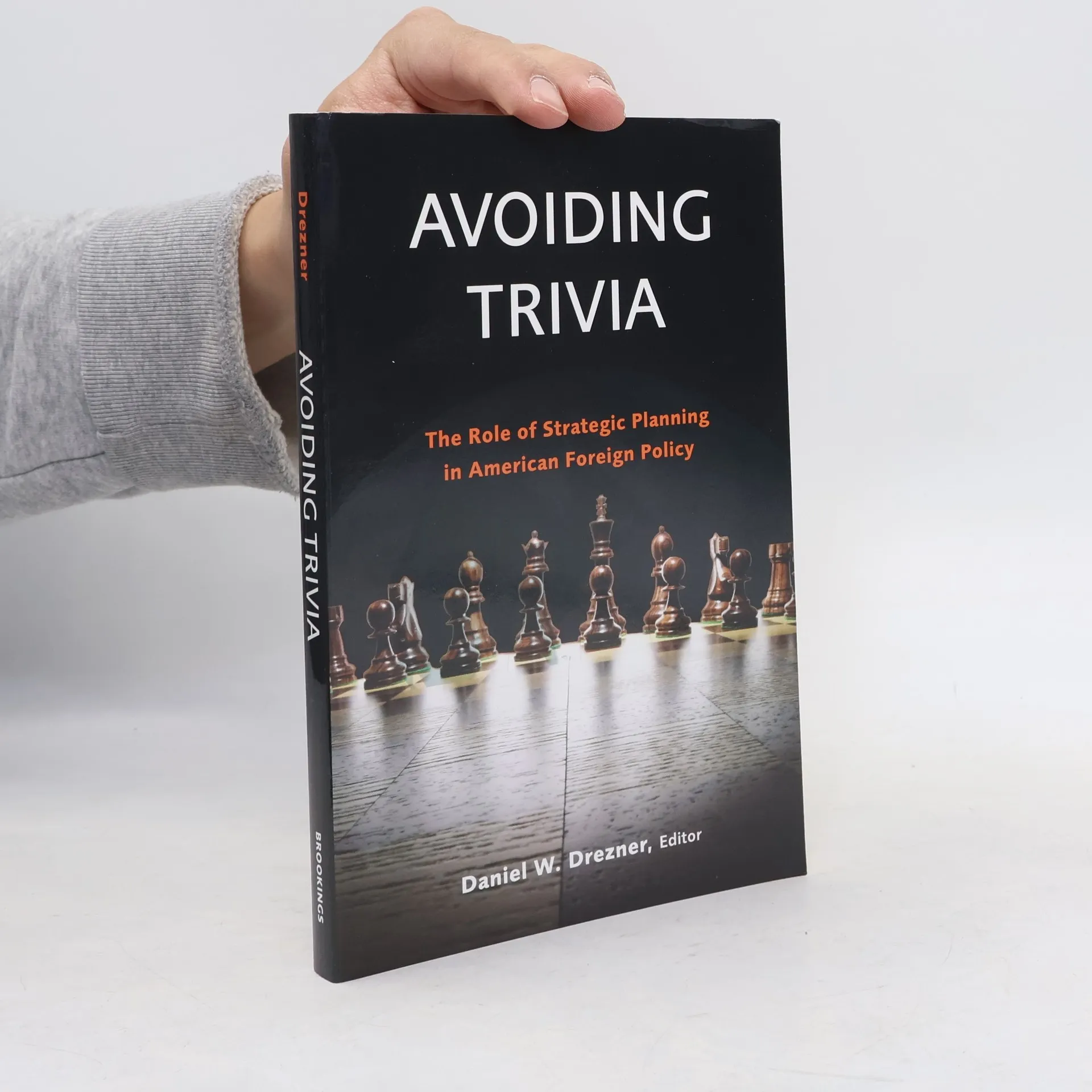
After World War II, George Kennan became the State Department's first director of policy planning, with Secretary of State George Marshall advising to "avoid trivia" and focus on the big picture. Avoiding Trivia critically examines the role of long-term strategic planning in foreign policy, emphasizing its necessity in American policymaking. With thousands of troops engaged in combat and ongoing homeland security concerns, the coordination of goals and resources is crucial. However, history shows that achieving and maintaining such cohesiveness is challenging. The book poses vital questions about whether policy planners in various government sectors can meet these challenges and if strategic planning is viable in 21st-century foreign policy. Contributors include influential figures from recent decades who have sought to impose order and strategic priority amid rapid global changes. They offer authoritative insights into the complexities of coherent long-term thinking and action in foreign policy. The discussions highlight the importance of strategic planning in navigating an unpredictable world, making this work essential for understanding contemporary foreign policy dynamics.
Een boek kopen
Avoiding Trivia, Daniel W. Drezner
- Taal

- Jaar van publicatie
- 2009
- Bindwijze
- (Paperback)
Betaalmethoden
Nog niemand heeft beoordeeld.
- Titel
- Avoiding Trivia
- Ondertitel
- The Role of Strategic Planning in American Foreign Policy
- Taal
- Engels
- Auteurs
- Daniel W. Drezner
- Uitgever
- Brookings Institution
- Jaar van publicatie
- 2009
- Formaat
- Paperback
- Aantal pagina's
- 199
- ISBN10
- 0815703066
- ISBN13
- 9780815703068
- Reeks
- Tags
- Politiek, Verenigde Staten, Politieke theorieën, Internationale Betrekkingen, Noord-Amerika, Planning
- Aantekening
- After World War II, George Kennan became the State Department's first director of policy planning, with Secretary of State George Marshall advising to "avoid trivia" and focus on the big picture. Avoiding Trivia critically examines the role of long-term strategic planning in foreign policy, emphasizing its necessity in American policymaking. With thousands of troops engaged in combat and ongoing homeland security concerns, the coordination of goals and resources is crucial. However, history shows that achieving and maintaining such cohesiveness is challenging. The book poses vital questions about whether policy planners in various government sectors can meet these challenges and if strategic planning is viable in 21st-century foreign policy. Contributors include influential figures from recent decades who have sought to impose order and strategic priority amid rapid global changes. They offer authoritative insights into the complexities of coherent long-term thinking and action in foreign policy. The discussions highlight the importance of strategic planning in navigating an unpredictable world, making this work essential for understanding contemporary foreign policy dynamics.