

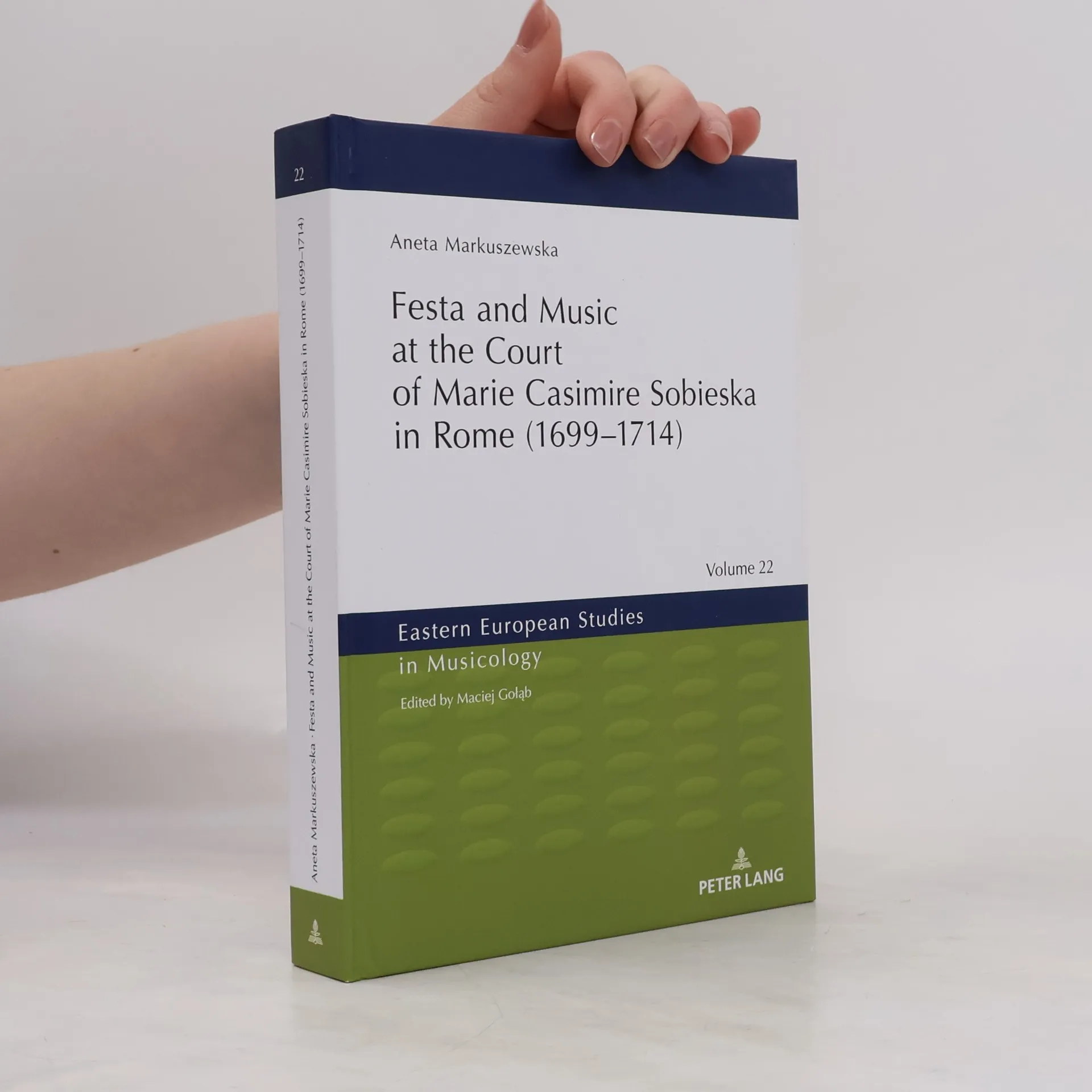


Eastern European Studies in Musicology - 22: Festa and Music at the Court of Marie Casimire Sobieska in Rome (1699–1714)
Meer over het boek
Polish queen Marie Casimire Sobieska, French by birth, left the Polish-Lithuanian Commonwealth after the death of her husband king John III and settled in Rome in 1699. Supported by her son, Prince Aleksander Sobieski, the queen dowager created at her Roman residence in Palazzo Zuccari one of Rome's most important opera theatres. She used music and drama to uphold her social status and political plans, satisfy her aesthetic needs, and provide entertainment for the granddaughter under her care, along with her ever more ailing son. This is the first monograph about Sobieska's music patronage. The book describes works by such eminent artists as Carlo S. Capece, Filippo Juvarra, and Domenico Scarlatti, along with the atmosphere of Rome of that time, the sociopolitical role of the festa, and the music theatre genres it employed.
Een boek kopen
Eastern European Studies in Musicology - 22: Festa and Music at the Court of Marie Casimire Sobieska in Rome (1699–1714), Maciej Gołąb, Jan Burzynski, Aneta Markuszewska
- Taal

- Jaar van publicatie
- 2021
- Bindwijze
- (Hardcover)
Betaalmethoden
Nog niemand heeft beoordeeld.
- Titel
- Eastern European Studies in Musicology - 22: Festa and Music at the Court of Marie Casimire Sobieska in Rome (1699–1714)
- Taal
- Engels
- Auteurs
- Maciej Gołąb, Jan Burzynski, Aneta Markuszewska
- Uitgever
- Peter Lang
- Jaar van publicatie
- 2021
- Formaat
- Hardcover
- Aantal pagina's
- 424
- ISBN10
- 3631842570
- ISBN13
- 9783631842577
- Reeks
- Categorieën
- Aantekening
- Polish queen Marie Casimire Sobieska, French by birth, left the Polish-Lithuanian Commonwealth after the death of her husband king John III and settled in Rome in 1699. Supported by her son, Prince Aleksander Sobieski, the queen dowager created at her Roman residence in Palazzo Zuccari one of Rome's most important opera theatres. She used music and drama to uphold her social status and political plans, satisfy her aesthetic needs, and provide entertainment for the granddaughter under her care, along with her ever more ailing son. This is the first monograph about Sobieska's music patronage. The book describes works by such eminent artists as Carlo S. Capece, Filippo Juvarra, and Domenico Scarlatti, along with the atmosphere of Rome of that time, the sociopolitical role of the festa, and the music theatre genres it employed.